The discovery of ancient relics often reshapes our understanding of history, and the recent findings regarding runestones in Scandinavia are no excepción. As archaeologists delve deeper into these stone artifacts, new insights challenge long-held beliefs about the Viking Age and the origins of written language in Northern Europe. This exploration reveals not just the significance of the stones themselves but also the culture and values of the people who created them.
Among the most intriguing discoveries is the Svingerud Stone, which has sparked discussions about its age and the implications for our understanding of runes and their use in ancient societies. Join us as we explore the remarkable history behind this artifact and its profound implications for the past.
Runestones could be almost 1,000 years older than the Vikings
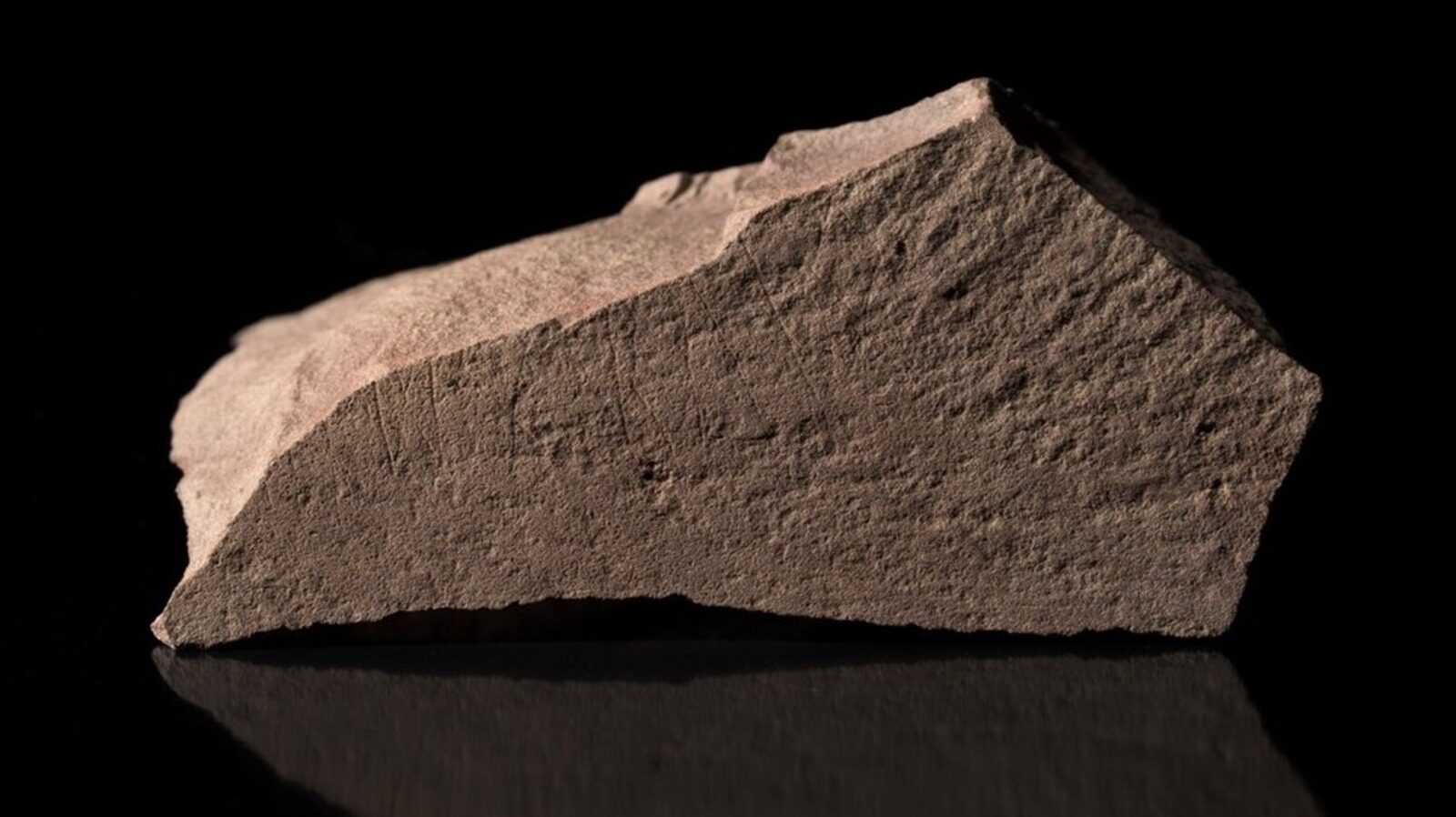
The Viking Age, traditionally defined as occurring from the late 8th century to the early 11th century, has long been associated with the rise of runestones. However, recent archaeological findings suggest that these intriguing artifacts may actually predate the Vikings by nearly a millennium. In 2021, a team of archaeologists working in the town of Hole, Eastern Norway, made a groundbreaking discovery: they uncovered fragments of sandstones that, when assembled, revealed a single runestone now known as the Svingerud Stone.
Radiometric dating of the Svingerud Stone indicates that it originates between 50 B.C. and A.D. 275, positioning it as the oldest known runestone, much older than the renowned Jelling Stone erected around 965 A.D. by King Harald Bluetooth. This revelation raises several questions about the evolution of written language and the cultural practices of early Scandinavian societies.
Moreover, the context in which the Svingerud Stone was found deviates from typical Viking-era practices. Traditionally, runestones were erected in public spaces rather than at grave sites. The Svingerud Stone was discovered among several graves, indicating a possible ritual significance that has yet to be fully understood. A 2025 study published in the journal Antiquity suggests that the stone was intentionally fractured and divided among three graves, hinting at a cultural practice that intertwines memory and commemoration.
The Svingerud Stone is in a very ancient language
Runestones are inscribed with runes, the letters used in ancient Germanic languages that have shaped modern Scandinavian languages. The origins of the runic alphabet, known as futhark after its first six letters, remain a topic of scholarly debate. Many historians propose that it evolved from the Etruscan alphabet and was influenced by Latin and Greek scripts.
While many runestones from the Viking Age were inscribed using the Younger Futhark, which consists of 16 characters, the Svingerud Stone employs the Elder Futhark, an older system featuring 24 runes. This fact positions the Svingerud Stone as a potential early example of the runic script, shedding light on the linguistic development of the time. The Elder Futhark was in use until around the 8th century, making the Svingerud Stone a relic of a significant transitional period in written communication.
The complexity of translating the runes found on the Svingerud Stone adds another layer of intrigue. Scholars have made substantial progress in translating the Younger Futhark, but the eight additional runes in the Elder Futhark present unique challenges. Their contextual meanings are not entirely understood, complicating efforts to decipher the stone’s inscription.
Deciphering the inscription of the Svingerud Stone
Efforts to decode the Svingerud Stone’s text have encountered several obstacles. The degradation of the stone over centuries, combined with its fractured nature, has led to significant portions of the engraving being illegible. Nevertheless, researchers have managed to identify key elements of the inscription that provide hints about its purpose.
One prominent word on the stone’s main fragment is ᛁᛞᛁᛒᛖᚱᚢᚷ. Translated into the Latin alphabet, it reads “idiberug.” This term is believed to reference either a person named Idiberung or perhaps a message dedicated “for Idibira,” a likely female name. Such inscriptions typically commemorate the deceased, suggesting that this stone may have served as a memorial.
Additionally, another fragment of the stone appears to bear the engraver’s signature, which translates to “runo” (rune) and “fahido” (wrote), followed by a name that is partially eroded. Given the naming conventions of the time, it’s probable that the engraver was a woman, though her precise link to Idiberug remains a mystery.
The cultural significance of runestones in Norse society
Runestones served not only as markers of the dead but also as essential components of Norse culture and identity. They provided insights into social hierarchies, familial relationships, and even territorial claims. The placement of runestones in prominent locations ensured they were visible to passersby, thus functioning as public declarations of the values and histories that mattered to the community.
- Commemoration of the deceased: Many runestones were erected in honor of fallen warriors.
- Territorial markers: Some stones delineated property boundaries, asserting ownership and influence.
- Historical records: They chronicled major events and genealogies within Norse society.
- Religious significance: Many inscriptions feature mythological references, linking the stones to ancient beliefs.
- Public declarations: Their visibility allowed for communal acknowledgment of important figures and events.
The Svingerud Stone’s discovery and its implications challenge the conventional timeline of Norse history and the evolution of written language in Scandinavia. As research continues, more revelations about the Svingerud Stone and similar artifacts will likely reshape our understanding of the Viking legacy and its cultural significance.