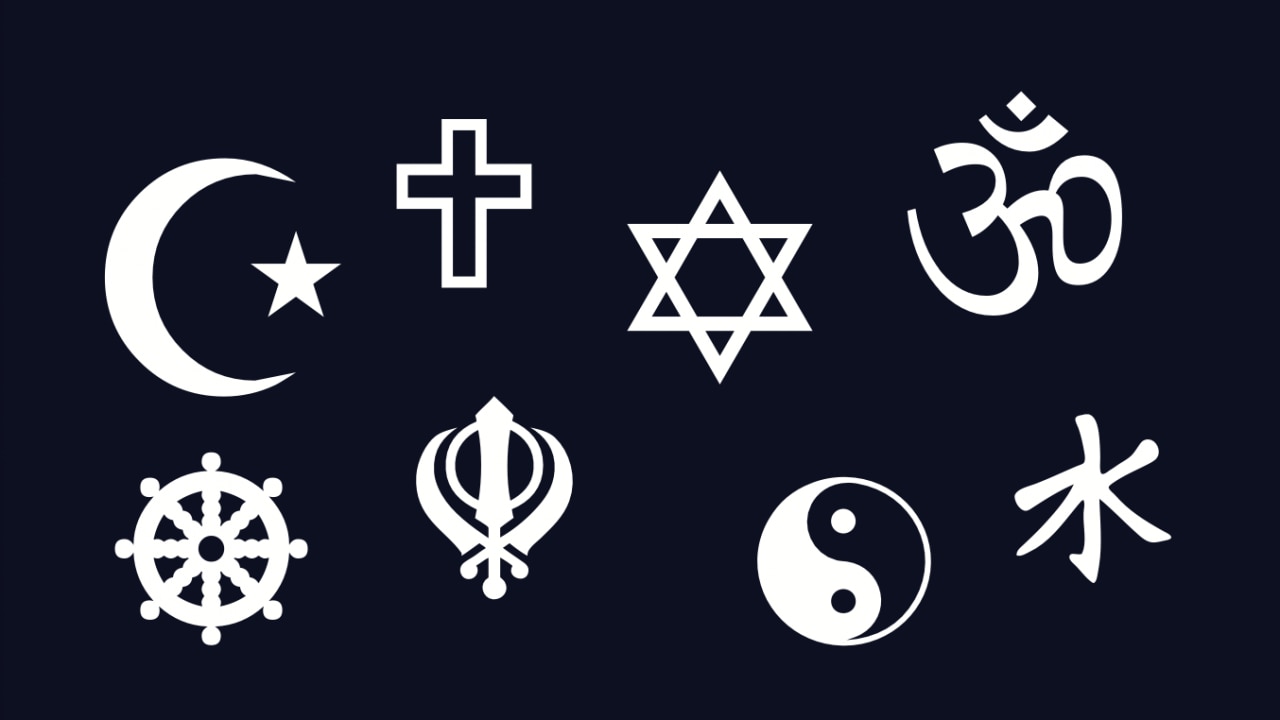
Exploring the vast landscape of world religions offers a glimpse into the diverse beliefs and practices that shape human civilization. Understanding the number of existing religions can provide valuable insights into cultural and societal dynamics. In this article, we will delve into the intricate world of religions, highlighting their variety, significance, and impact on society.
Understanding the Diversity of World Religions
The term “religion” encompasses a wide array of beliefs and practices that vary significantly across different cultures. It is essential to recognize that religion can take on numerous forms, ranging from organized faiths with structured doctrines to more personal and spiritual belief systems.
As of today, it is estimated that there are over 4,000 distinct religions worldwide. This number includes major world religions, indigenous beliefs, and new spiritual movements. Each religion offers a unique perspective on life, the universe, and our place within it.
Some of the most recognized religions include:
- Christianity: With over 2 billion adherents, it is the largest religion globally.
- Islam: With approximately 1.9 billion followers, it is the second-largest religion.
- Hinduism: This ancient religion has around 1.2 billion practitioners.
- Buddhism: Estimated to have over 520 million followers, it emphasizes personal spiritual development.
The Major World Religions
While the exact number of religions is vast, a few stand out due to their historical significance, the number of followers, and their profound influence on culture and society.
Here’s a closer look at some of the major world religions:
- Christianity: Originating from the teachings of Jesus Christ, Christianity is founded on principles of love, compassion, and forgiveness. It encompasses various denominations, including Catholicism, Protestantism, and Eastern Orthodoxy.
- Islam: Founded in the 7th century CE by the Prophet Muhammad, Islam is based on the Quran and emphasizes submission to the will of Allah. The two primary branches are Sunni and Shia.
- Hinduism: One of the oldest religions, Hinduism is characterized by a diverse range of beliefs and practices, including worship of multiple deities and concepts like karma and dharma.
- Buddhism: Founded by Siddhartha Gautama, or the Buddha, Buddhism teaches the path to enlightenment through practices such as meditation and ethical living.
The Role of Indigenous Religions
Indigenous religions, often referred to as traditional or folk religions, represent a significant portion of the world’s spiritual landscape. These belief systems are typically tied to specific cultures and regions, incorporating ancestral worship, nature reverence, and unique rituals.
Some key characteristics of indigenous religions include:
- Connection to Nature: Many indigenous belief systems emphasize the importance of nature, viewing it as sacred.
- Community-Based Practices: Rituals and ceremonies are often communal events that reinforce social bonds.
- Oral Traditions: Many indigenous religions rely on oral histories and storytelling rather than written texts.
Religious Syncretism and New Movements
Religious syncretism occurs when different belief systems merge to form new practices. This phenomenon is common in areas where cultures intersect, leading to hybrid religions that incorporate elements from various traditions.
Additionally, new religious movements (NRMs) have emerged in recent decades, often seeking to address contemporary spiritual needs. Examples include:
- Scientology: Founded in the 1950s by L. Ron Hubbard, it combines elements of psychology and spirituality.
- Raelism: This movement emphasizes a belief in extraterrestrials as creators of humanity.
- The Bahá’í Faith: Founded in the 19th century, it advocates for unity among all religions and humanity.
Statistics and Demographics of Religions
Understanding the demographics of global religions is crucial for grasping their influence on society. Various studies and surveys provide insights into the distribution of religious adherents around the world. According to recent statistics:
| Religion | Estimated Number of Adherents |
|---|---|
| Christianity | 2.3 billion |
| Islam | 1.9 billion |
| Hinduism | 1.2 billion |
| Buddhism | 520 million |
| Other religions | 1.2 billion |
The Impact of Religion on Society
Religion plays a profound role in shaping societies and cultures. It influences laws, ethics, and social norms, often serving as a source of comfort and community for many individuals.
Some of the significant impacts of religion include:
- Social Cohesion: Religious gatherings foster community and strengthen social ties.
- Moral Frameworks: Religions often provide ethical guidelines that shape the behavior of adherents.
- Political Influence: In numerous countries, religious beliefs impact political ideologies and policies.
Future Trends in Religion
As the world evolves, so do the dynamics of religion. The interconnectivity brought by globalization is leading to greater exchange of ideas and beliefs, potentially reshaping the religious landscape.
Some emerging trends include:
- Rise of Secularism: In many western societies, secularism is on the rise, with increasing numbers identifying as non-religious.
- Interfaith Dialogue: Efforts to promote understanding among different faiths are becoming more prevalent, aiming for peaceful coexistence.
- Technological Integration: The digital age allows for new forms of religious expression and community-building through online platforms.