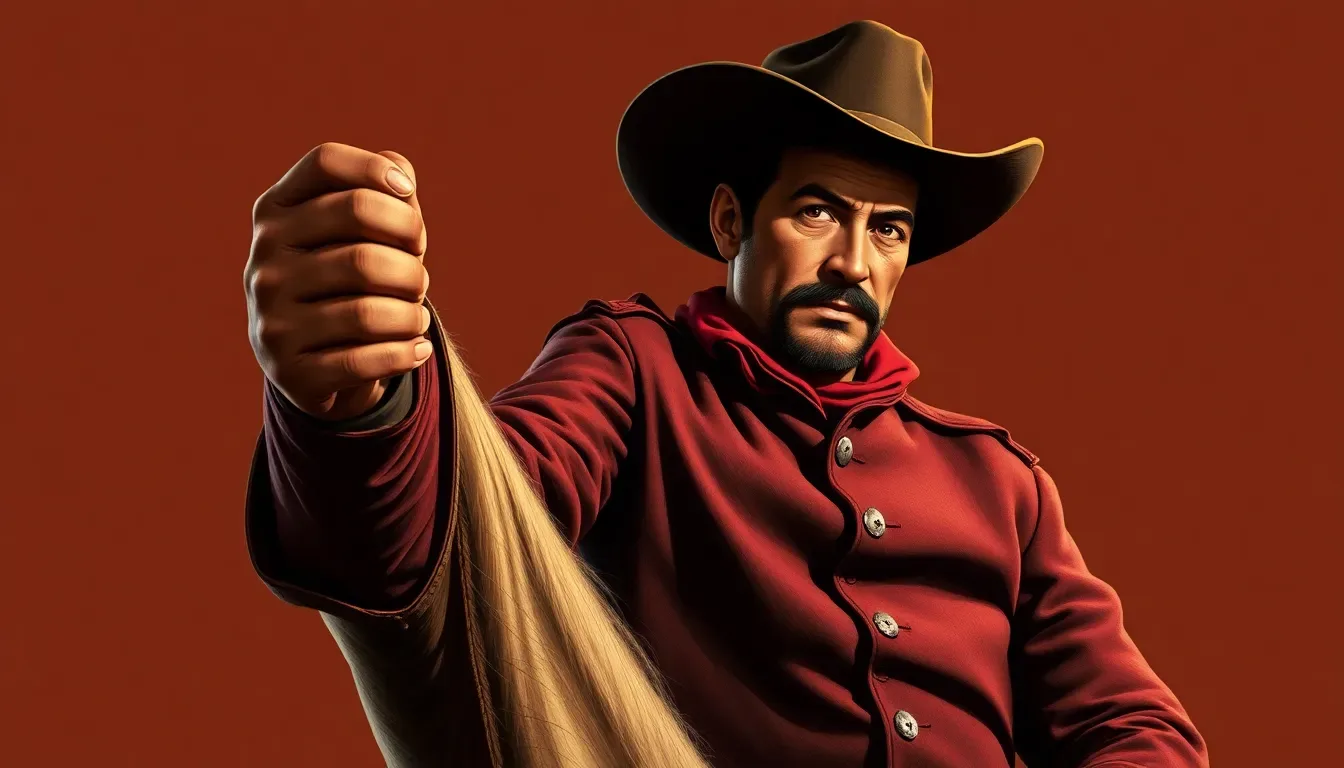
The story of Johnny Ringo is a captivating tale of the Old West, filled with gunfights, lawlessness, and complex characters. As one of the most infamous outlaws of the American frontier, Ringo’s life intertwines with significant historical figures and events, offering a glimpse into the tumultuous times of the late 19th century. Understanding Ringo’s legacy requires looking beyond the gunfights and exploring his relationships, motivations, and the era that shaped him.
Who was Johnny Ringo?
Johnny Ringo, born in 1850 in Indiana, was a notorious figure in the lawless landscape of the American frontier. He became synonymous with the violent culture of the Wild West, earning a reputation as a skilled gunman and a member of the infamous Cochise County Cowboys, a group known for their conflicts with law enforcement and rival factions.
Ringo’s life was marked by frequent moves, which were characteristic of many families during that era. By the time he reached his teens, Ringo’s family had settled in California, where he would eventually become embroiled in the violent conflicts of the West.
His early life was shaped by the turbulent environment around him, which was rife with economic struggles, territorial disputes, and a burgeoning culture of lawlessness. This background played a crucial role in his development into the outlaw he would later become.
The Rise of a Notorious Outlaw
Johnny Ringo’s ascent in the world of outlaws was not an overnight transformation. It was a gradual process characterized by a series of events that would ultimately forge his infamous reputation. Among these events were:
- His involvement with the Cochise County Cowboys, a group known for their criminal activities.
- Conflicts with lawmen and rival gangs, which often culminated in violent confrontations.
- His association with key historical figures such as Wyatt Earp and Doc Holliday, who were central to the law enforcement efforts of the time.
Ringo’s life was a constant battle for survival in a world where the line between law and lawlessness was often blurred. His skills as a gunslinger made him both feared and respected among his peers, but they also marked him as a target for law enforcement.
Key Events in Ringo’s Life
Throughout his tumultuous life, several key events stand out that highlight Ringo’s notorious nature:
- The Gunfight at the O.K. Corral, which set the stage for increased tensions between Ringo’s associates and lawmen.
- His involvement in the Tombstone feud, which further solidified his reputation as a dangerous outlaw.
- The mysterious circumstances surrounding his death in 1882, which remain a topic of speculation and intrigue.
These events not only reflect Ringo’s life but also provide insight into the broader conflicts of the time, illustrating the constant struggle for power and survival that defined the era.
The Context of Lawlessness in the West
The backdrop of Johnny Ringo’s life is essential to understanding his actions and mindset. The Old West was a time marked by:
- The lack of formal law enforcement, leading to a culture of vigilante justice.
- Economic hardship, which drove many individuals to lives of crime.
- A burgeoning population of settlers and outlaws alike, resulting in competition for resources and territory.
This chaotic environment created opportunities for men like Ringo to thrive, as the absence of structured law allowed them to operate with relative impunity.
Ringo’s Legacy and Cultural Impact
Johnny Ringo’s life and untimely death have left a lasting impact on American folklore and the portrayal of outlaws in popular culture. His story has been romanticized in various forms of media, including films, books, and television shows.
Some of the notable aspects of his legacy include:
- His depiction as a quintessential gunslinger in films such as “Tombstone.”
- The ongoing intrigue surrounding the details of his death, which fuel speculation and conspiracy theories.
- His representation as a tragic figure caught in the violent crossfire of a tumultuous era.
Ringo’s character continues to resonate with audiences, symbolizing both the allure and the dangers of the outlaw lifestyle.
The Mystery of Johnny Ringo’s Death
One of the most compelling aspects of Johnny Ringo’s story is the mystery surrounding his death. Found dead in 1882 under suspicious circumstances, the details of his demise remain shrouded in uncertainty. Various theories propose different explanations:
- Some believe he was murdered by rival outlaws seeking revenge.
- Others speculate that law enforcement may have had a hand in his death.
- There are also theories suggesting suicide due to the pressures of his lifestyle.
The ambiguity surrounding his death adds to the legend of Johnny Ringo, making him a subject of fascination for historians and enthusiasts of the Wild West alike.
Influence on Modern Outlaw Narratives
The narrative of Johnny Ringo has significantly influenced the portrayal of outlaws in contemporary media. His life serves as a template for understanding the romanticized ideas of the Wild West, which often blur the lines between heroism and villainy.
Films and literature frequently draw from Ringo’s experiences, encapsulating themes such as:
- The struggle for identity and survival in a lawless society.
- The consequences of violence and its impact on personal relationships.
- The allure of the outlaw lifestyle versus its harsh realities.
This duality creates a rich tapestry of storytelling that continues to captivate audiences, highlighting the complexities of figures like Johnny Ringo.
Johnny Ringo remains a fascinating figure in the tapestry of American history. His life, marked by violence, intrigue, and mystery, serves as a lens through which we can understand the broader themes of lawlessness and survival in the Old West. By examining Ringo’s story, we gain insight into the complexities of a time that continues to capture our imagination.