
In 1928, //strong>Henry Ford established Fordlandia, an industrial city and rubber plantation in the Brazilian Amazon, with the goal of creating a self-sufficient rubber supply for the Ford Motor Company. The project, which aimed to blend American industrial efficiency with a utopian utopian vision of urban planning, ended in failure after six years of construction and social unrest. By 1934, the settlement was largely abandoned, having failed to produce a significant amount of latex.
The Economic Drivers of Rubber Production
The rise of the automotive industry in the early 20th century created an unprecedented demand for rubber. Following the success of the Model T, which saw over 15 million units sold in two decades, the demand for tires and tubes became a critical vulnerability for the Ford Motor Company. At the time, British colonies in Asia, specifically in India and Sri Lanka, had broken Brazil’s monopoly on rubber production through the Stevenson Plan, which limited exports to manipulate prices.
Seeking to avoid dependence on foreign suppliers, Ford looked toward Brazil. He believed that by establishing a plantation in the rubber tree’s natural habitat, he could secure a stable, inexpensive source of material. As detailed in The Magazine of Business, Ford intended to develop the land and provide a better quality of life for his workers, though his approach was rooted in his own rigid industrial philosophy.
Construction of the Industrial Utopia
In 1927, Ford secured 2.5 million acres of land along the Tapajós River. The agreement with the Brazilian government included a profit-sharing arrangement where Ford would pay 7% of annual profits to the government and 2% to local municipalities after 12 years of operation. To build the city from scratch, Ford invested approximately $2 million in initial supplies, including prefabricated buildings, machinery, and generators.
The city’s design was a reflection of the Midwestern American town. Ford insisted on the implementation of several specific features:
- Detroit Time: All clocks in the city were set to the time in Michigan, regardless of the local time zone.
- Prohibition: The strict enforcement of alcohol and tobacco bans, mirroring the American Prohibition era.
- Americanized Living: Workers were required to wear American-style clothing and eat a diet consisting of oatmeal and canned peaches, instead of local Brazilian food.
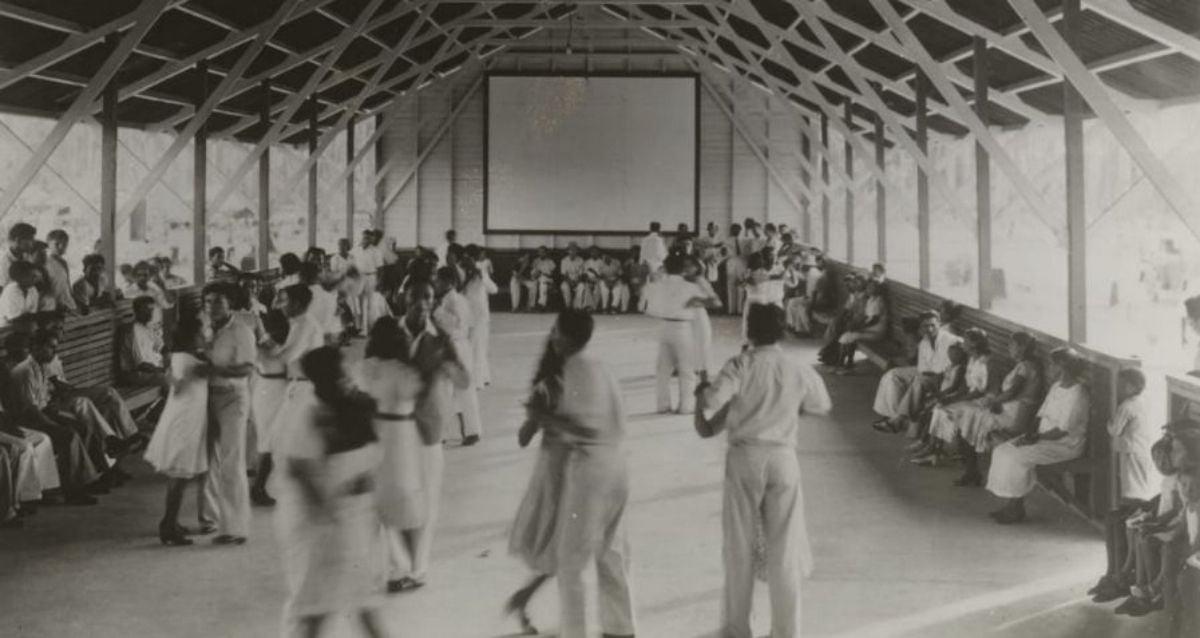
- Urban Planning: The town featured a hospital, school, swimming pool, movie theater, tennis courts, and an 18-hole golf course.
Management Failures and Ecological Disaster
The project was plagued by management incompetence. The first manager, Willis Long Reeves Blakeley, lacked experience in tropical agriculture or jungle management. He was later replaced by Einar Oxholm, a Norwegian sea captain, who was similarly unqualified for the role of managing a rubber plantation. This lack of expertise led to a critical error in planting the rubber trees; they were planted too close together, which allowed blight and parasites to emerge and spread rapidly, destroying much of the crop.
Information from the Henry Ford Museum highlights that the rubber seedlings were imported from Asia, as local growers refused to sell seeds to Ford’s team. This ecological failure was part of a larger systemic collapse of the project.
Social Unrest and the 1930 Revoltn
The tension between American management and the Brazilian workforce grew as workers realized the disparity in their wages. While American employees earned high wages in Detroit, the Brazilian workers in Fordlandia were paid only 35 cents per day. This disparity, despite the company’s utopian claims, created deep resentment.
Workers were also forced to live on company property and adhere to strict moral codes. This led to the creation of the “Island of Innocence,” a nearby area where bars and brothels operated outside the company’s control, as described in Fordlandia: The Rise and Fall of Henry Ford’s Forgotten Jungle City. The laborers, used to the slower pace of rural Brazil, resented the rigid shift whistles and timesheets of the American industrial system.
The tipping point occurred in December 1930, when manager John Rogge fired all the waiters up to implement a cafeteria line and docked employees’ pay to charge for meals. This decision triggered a full-scale revolt. Workers cut telephone lines, set fires, and destroyed machinery, forcing American management to flee. The Brazilian army had to intervene to restore order.
The Final Collapse and Financial Loss
In 1933, Ford shifted production efforts to a second site, Belterra, located 70 miles downriver. However, Belterra was similarly unsuccessful. In 1942, it produced only 750 tons of latex, far below the 25,000 tons required for annual vehicle production. By 1934, Fordlandia was largely abandoned.
When Henry Ford II took over the company in 1945, he sold the land back to the Brazilian government for $244,200. The total investment in the project had been approximately $20 million, which is equivalent to approximately $370 million in today’s currency. The failure of Fordlandia was a result of the a combination of ecological ignorance, cultural insensitivity up to the Detroit-style industrialism imposed on the same environment.
The ruins of the town now serve as a historical record of an attempted industrial utopia that failed due to its lack of respect for local culture and ecological reality. As noted by The New York Times, the town is now home to a small population of approximately 3,000 people.