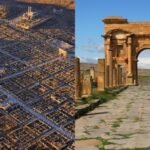
Roman House Found Carved Into Corsican Bedrock
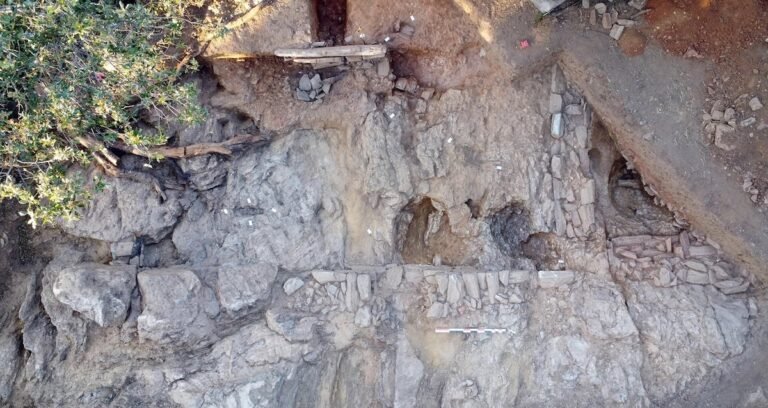
Archaeologists in Corsica discovered a 1,600-year-old Roman house carved into bedrock, revealing a potential ancient port settlement and maritime trade hub in the Bay of Meria.

Archaeologists in Corsica discovered a 1,600-year-old Roman house carved into bedrock, revealing a potential ancient port settlement and maritime trade hub in the Bay of Meria.
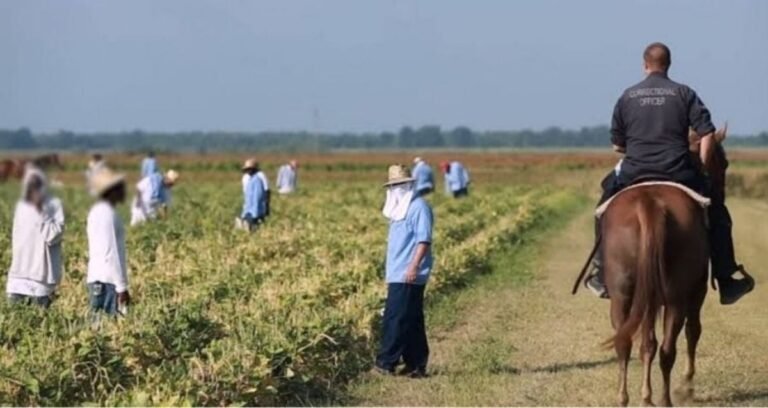
Explore the history and current conditions of the Louisiana State Penitentiary, from its origins as a plantation to its current status as the largest maximum-security prison in the US.
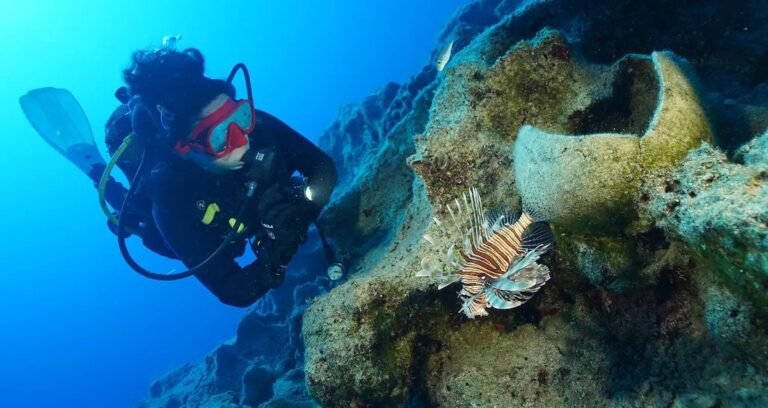
Archaeologists in Turkey have discovered the world's oldest known shipwreck, dating back 4,700 years to the Early Bronze Age, revealing insights into ancient Mediterranean trade routes.
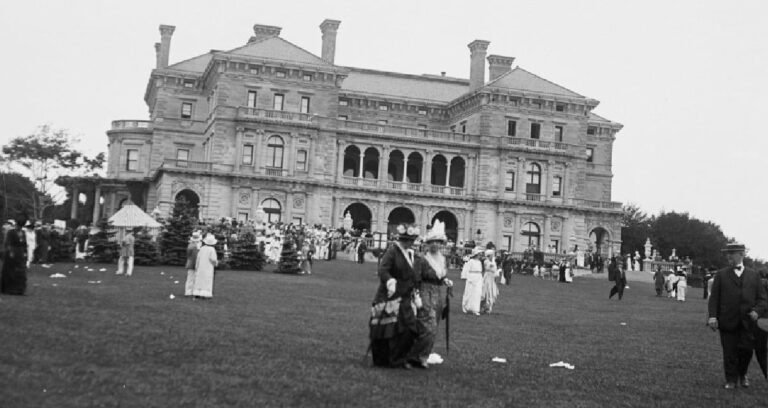
Discover the history of The Breakers, the opulent 70-room Gilded Age mansion in Newport, Rhode Island, built by Cornelius Vanderbilt II as a summer residence.
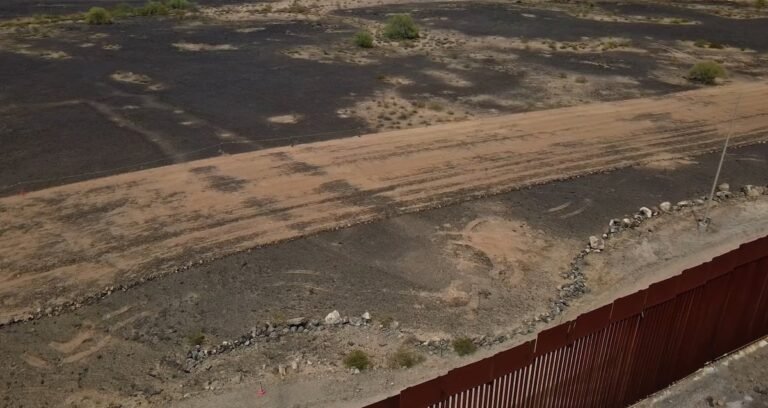
Construction of a border wall in Arizona destroyed 30% of the Las Playas Intaglio, a 6,500-year-old fish-shaped geoglyph and the oldest known carving of its kind in the Americas.
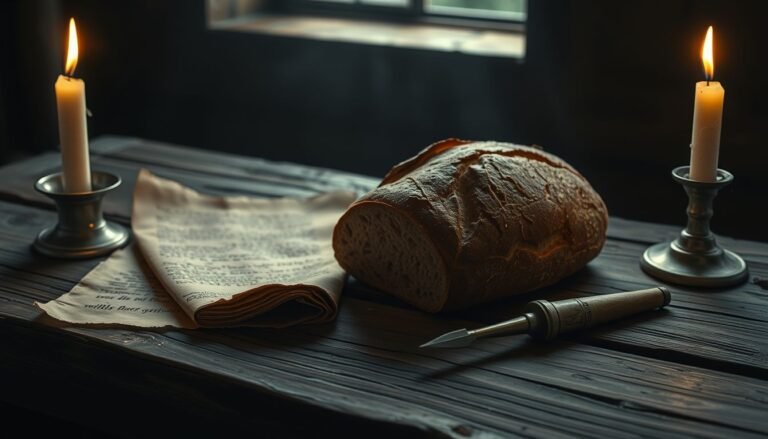
Explore the truth behind the Salem witch trials and why the popular ergot poisoning theory was debunked, revealing the social and psychological causes of the 1692 mass hysteria.
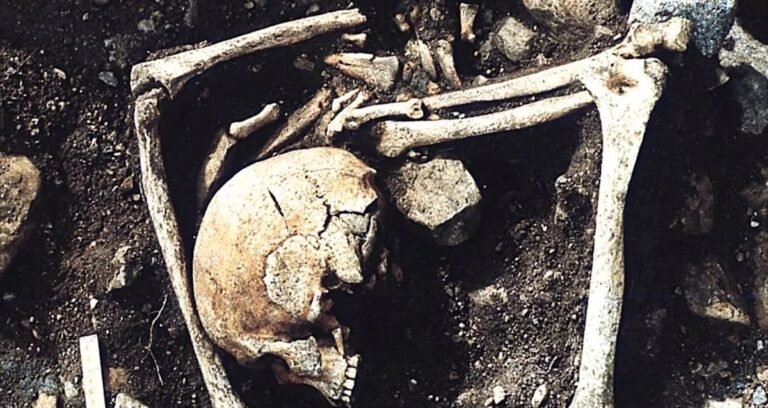
Archaeologists in Latvia discovered a 1,200-year-old grave containing six Semigallian victims of a violent raid, featuring severe injuries caused by axes and swords during the early Viking Age.
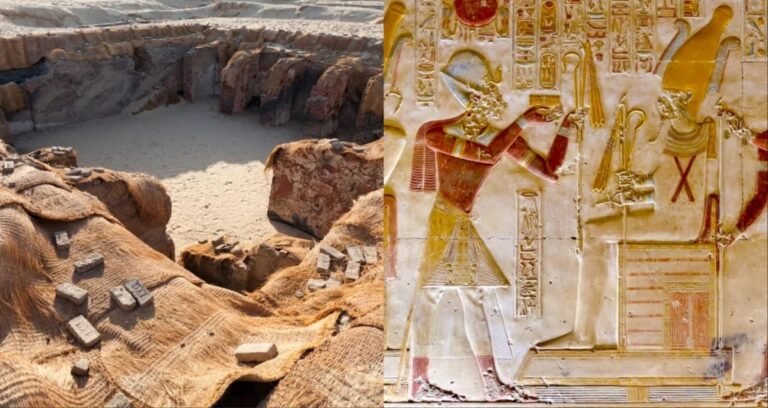
Modern forensic analysis of skulls from the Umm el-Qaab tombs in Abydos confirms that early Egyptian pharaohs were buried with human sacrifices to serve them in the afterlife.
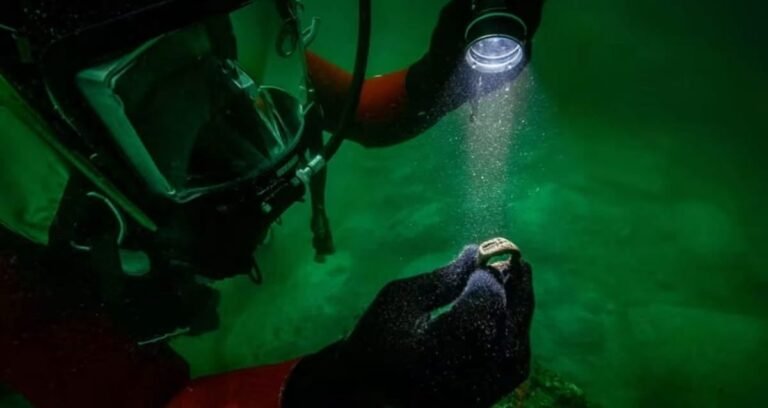
Archaeologists have discovered a rare bronze seal ring in Alexandria's Eastern Harbor depicting the Lighthouse of Alexandria, providing new insights into one of the Seven Wonders of the Ancient World.
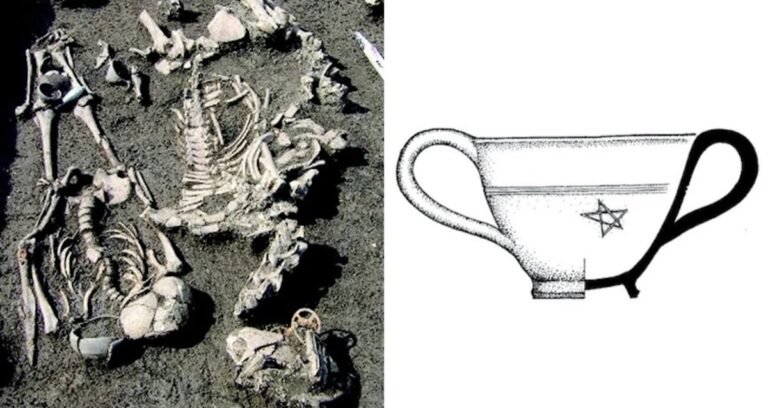
Archaeologists in Russia have discovered a 2,000-year-old Maeotian warrior's grave containing a gold coin of Alexander the Great and a vessel etched with a protective pentagram.
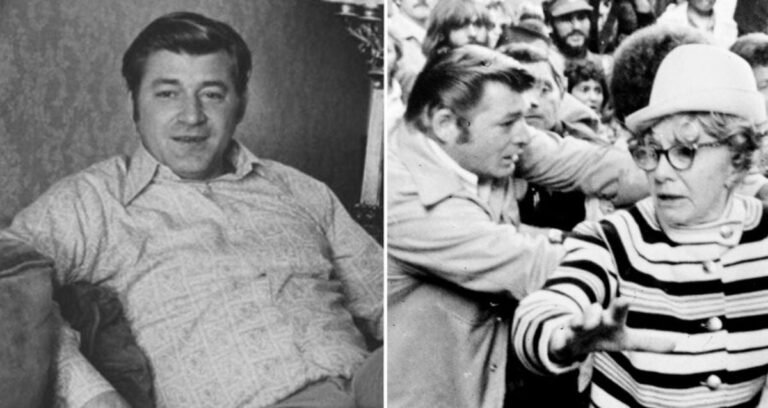
Oliver Sipple, a Vietnam veteran, saved President Gerald Ford's life in 1975, but the subsequent media outing of his sexuality led to family estrangement and personal tragedy.

Discover the chaotic 1904 Olympic marathon, where Thomas Hicks won gold using strychnine and brandy, amidst extreme heat and dehydration experiments during the early days of sports doping.