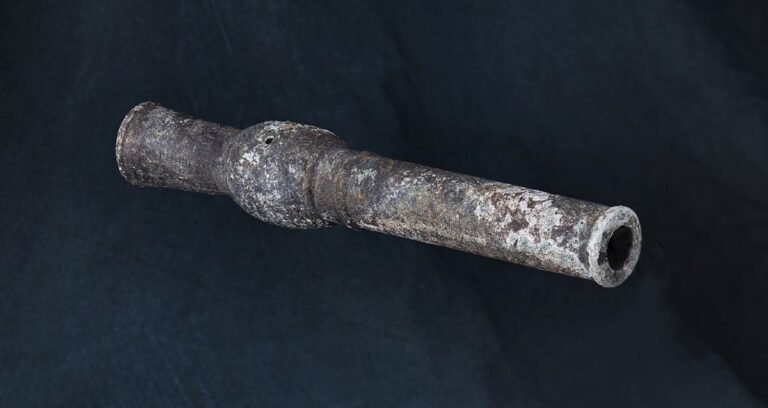
Oldest Gunpowder Weapon Found in South Korea
South Korean soldiers discovered a 600-year-old bronze hand cannon on Mount Geumseong, the oldest known gunpowder weapon ever found in the country, featuring detailed inscriptions about its manufacture.

South Korean soldiers discovered a 600-year-old bronze hand cannon on Mount Geumseong, the oldest known gunpowder weapon ever found in the country, featuring detailed inscriptions about its manufacture.
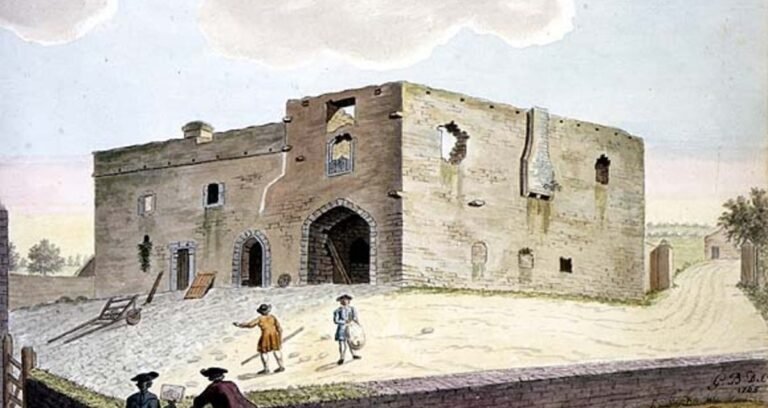
Architectural experts at University College Dublin have discovered the preserved walls and courtyard of the medieval Roebuck Castle hidden inside a Victorian-era building on campus.

Explore the historical witch tests used in 16th and 17th century Europe and North America, including the trial by water and the witch cake, which often led to mass executions.

Empress Maria Feodorovna, the last dowager empress of Russia, endured the fall of the Romanov dynasty and the execution of her son, spending her final years in exile in Denmark.

Explore the life and career of William Murdoch, the Titanic's First Officer, from his early maritime training in Scotland to the controversial events surrounding his final moments during the sinking.

A 1,700-year-old papyrus fragment of Homer's Odyssey was discovered in the Utrecht University library, originating from a pocket edition produced in Egypt during the 3rd or 4th century C.E.
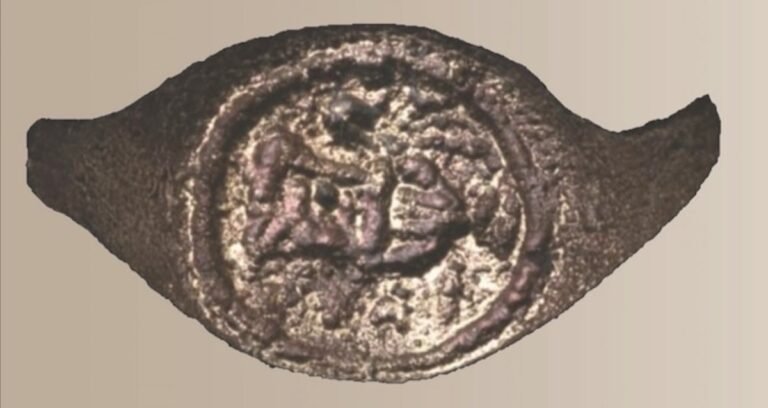
A 2,000-year-old copper ring discovered in the Judean Desert is believed to have belonged to an employee of Pontius Pilate, revealing details about Roman administration in Judea.

Ron DiFrancesco, a money-market broker, was the last person to escape the South Tower of the World Trade Center on 9/11, surviving from the 84th floor.

Marcy Borders, the woman known as the Dust Lady, survived the 9/11 North Tower collapse but later faced a decade of trauma and illness, eventually passing away in 2015.

On August 9, 1945, the U.S. dropped the "Fat Man" atomic bomb on Nagasaki, killing approximately 80,000 people and forcing Japan's surrender, ending World War II.
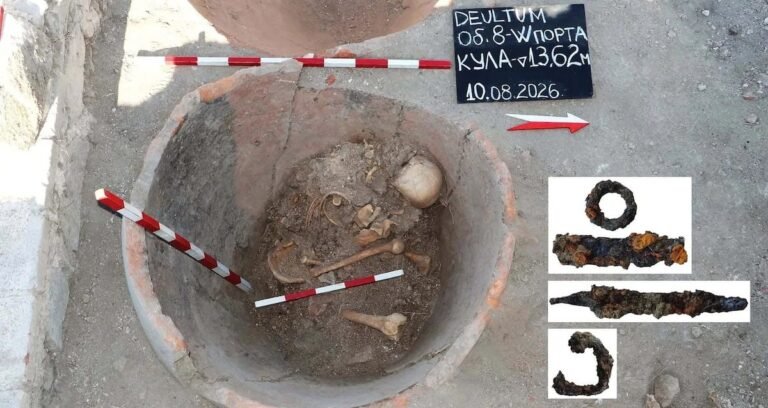
Archaeologists in Bulgaria discovered a 1,600-year-old skeleton inside a Roman storage jar. The remains suggest a man attempted to hide from Germanic or Hun invaders before dying during a city fire.
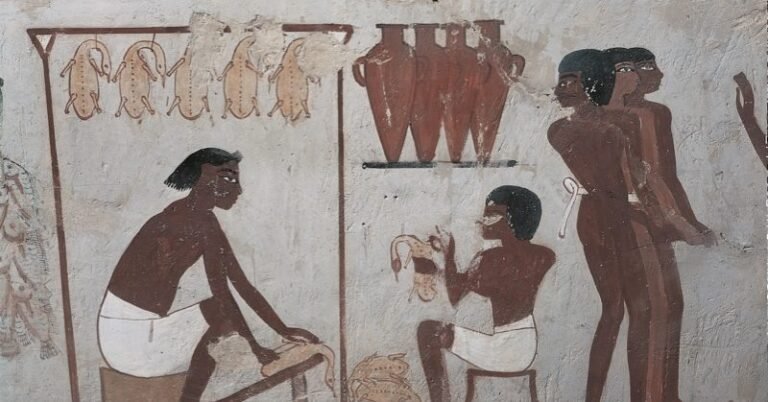
The average ancient Egyptian probably didn’t spend much time worrying about the afterlife. That might sound like a strange claim,…