
Architectural historians have discovered that the remains of Roebuck Castle, a medieval fortress once thought to have been demolished, are preserved within a Victorian-era building on the campus of University College Dublin (UCD). The discovery reveals that rather than being cleared for redevelopment, the castle’s original walls and courtyard were integrated into the subsequent construction.
The History of Roebuck Castle
Established in the early 13th century, Roebuck Castle served as a strategic Norman stronghold in south Dublin. Positioned on one of the primary roads leading to the city, it functioned as a fortified residence for high-ranking officials. Historical records indicate that the castle housed several individuals who held the title of Lord High Chancellor of Ireland.
Tradition also suggests that James II, the King of England and Ireland, resided at the castle until 1688, when he was deposed during the Glorious Revolution. Over the centuries, the structure underwent various architectural modifications to adapt to the needs of its occupants and the changing defensive requirements of the era.
The Process of Rediscovery
For years, historians believed the castle had been dismantled in the 18th or 19th century to recycle its stone for new buildings, a common practice during the Georgian and Victorian periods. However, Professor Tadhg O’Keeffe, a specialist in medieval architectural history at UCD, identified the original medieval walls hidden beneath layers of plaster in a campus building.
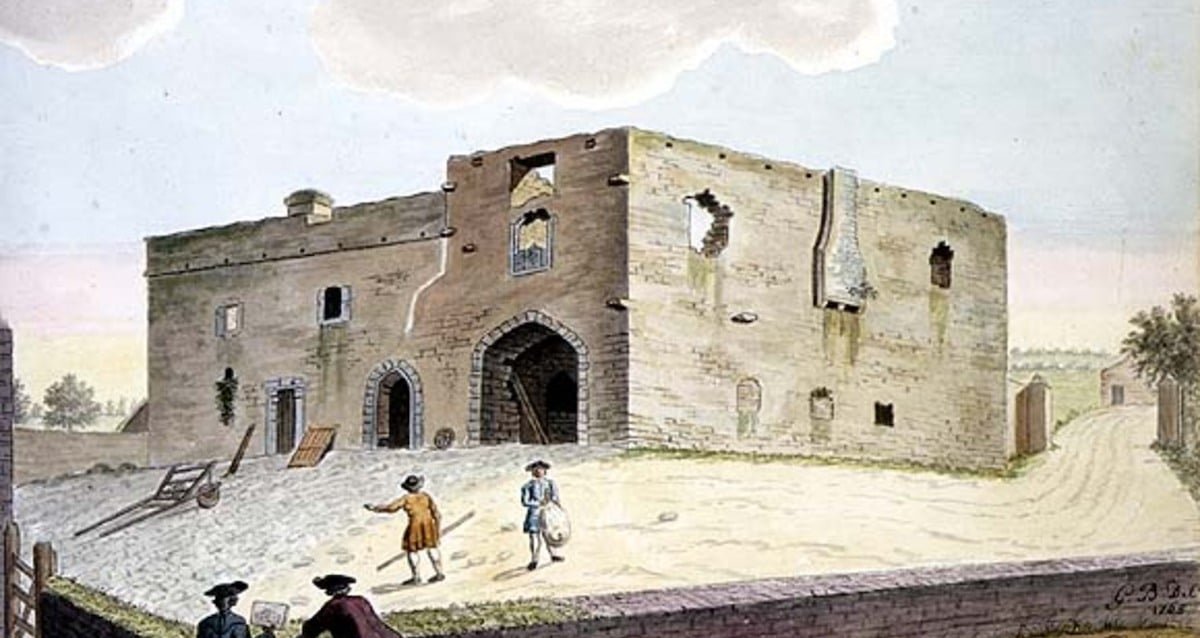
The identification process relied on a critical piece of evidence: a 1765 watercolor painting by Gabriel Beranger. The Dutch-born artist documented the ruins of the castle during a visit, capturing structural details that allowed O’Keeffe to map the medieval layout against the existing university building. This research has been detailed in Archaeology Ireland magazine.
Architectural Significance and Findings
The discovery is particularly noteworthy because the current building, while appearing entirely Victorian from the exterior, functions as a shell that protects the medieval remains. Key findings include:
- Preserved Walls: The original stone walls of the fortress remain intact behind modern plaster.
- Original Courtyard: The courtyard currently utilized on the university campus is the original medieval courtyard of Roebuck Castle.
- Construction Method: Georgian and Victorian developers built around the ruins rather than demolishing them.
According to a UCD statement about the discovery, the survival of these walls is a rare occurrence in south Dublin, where most medieval fortifications were destroyed for building materials.
Impact on Local Heritage
The rediscovery corrects the historical narrative regarding the site’s development. It was previously assumed that modernization efforts in the late 18th century and the subsequent construction of the Victorian house had erased all traces of the fortress. As reported by The Journal, this finding ensures that the structural history of Roebuck Castle is recognized and preserved within the academic environment.
The integration of the medieval shell into the university’s architecture provides a unique example of layered urban development, where different eras of Irish history coexist within a single physical structure.