The ancient world was a place of brutal spectacle and gripping drama. Within this arena of gladiators and emperors, one tale stands out – the story of Spiculus. This renowned warrior rose to fame during the tumultuous reign of Emperor Nero, captivating audiences with his unmatched skill and ferocity. His victories in the arena were legendary, each clash a testament to his strength and cunning.
But Spiculus’s fate was inextricably linked to that of the emperor himself. Nero, known for his extravagant tastes and ruthless ambition, took a peculiar liking to the gladiator. He showered Spiculus with gifts and favors, elevating him to a position of unexpected influence within the imperial court. This unlikely friendship between an emperor and a spiculus would ultimately lead to both their tragic downfall.
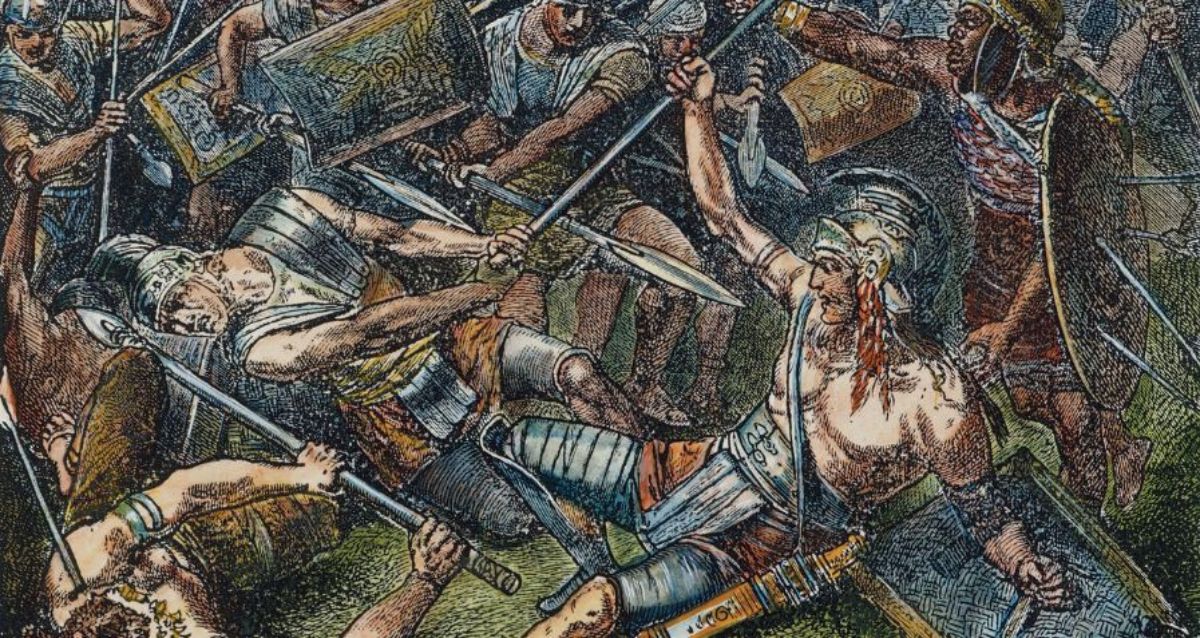
Imagine the scene: the roaring crowds, the clash of steel, the dust swirling in the arena’s harsh sunlight. Spiculus, standing tall amidst the carnage, was a symbol of skill and power. But this image of glory would soon be overshadowed by the dark shadow of Nero’s tyranny.
The Reign of Nero and the Rise of Spiculus
Nero’s reign was a period of immense upheaval and change in Rome. Known for his extravagance, artistic pursuits, and erratic behavior, he alienated many within the Senate and among the Roman people. Yet, amidst this turmoil, a new star began to rise in the arena: Spiculus.
His skills as a gladiator were unparalleled; every move was precise, calculated, and deadly. He captivated audiences with his brutality and grace, quickly becoming one of the most popular gladiators in Rome. Word of his exploits spread like wildfire, reaching even the ears of Emperor Nero himself. Intrigued by this rising star, Nero summoned Spiculus to the imperial palace.
This meeting marked a turning point in both their lives. Nero, captivated by Spiculus’s prowess and charisma, began showering him with gifts and favors. He granted him special privileges within the city, allowing him access to areas forbidden to ordinary citizens. This unusual friendship between an emperor and a spiculus would create ripples that would ultimately reach devastating consequences for both men.
A Favored Gladiator
Nero’s favor towards Spiculus was unlike anything seen before. The emperor, known for his capricious nature and insatiable appetite for entertainment, found himself genuinely captivated by the gladiator’s skills and quiet strength. Nero would often attend Spiculus’s matches in person, showering him with praise and gifts after each victory.
This preferential treatment sparked both envy and resentment within the ranks of the Roman elite. Some senators whispered about the appropriateness of such close ties between an emperor and a spiculus, questioning whether Spiculus was wielding undue influence over Nero. However, for now, Spiculus seemed content to bask in the glory of his newfound status. He embraced the luxurious lifestyle afforded him by Nero, enjoying lavish banquets and access to the finest wines and delicacies.
Yet, beneath this veneer of opulence, a sense of unease began to creep into Spiculus’s heart. He saw the growing discontent among the Roman people, fueled by Nero’s increasingly erratic behavior and extravagant spending. He sensed that the emperor’s grip on power was beginning to weaken, and he knew that his own fate was inextricably linked to Nero’s.
A Fateful Request
As Nero’s popularity dwindled and his grip on power loosened, he found himself increasingly isolated and desperate. The Roman Senate, once cowed by his authority, now openly defied him, demanding his abdication. Facing a rebellion that threatened to engulf the empire, Nero turned to those he deemed most loyal – including Spiculus.
In a moment of desperation, Nero reached out to Spiculus, requesting his assistance in quelling the uprising. He believed that the gladiator’s popularity and martial prowess could sway the hearts of the people and rally support for his beleaguered regime. This request placed Spiculus in an agonizing dilemma – to remain loyal to the emperor who had bestowed upon him so much, or to distance himself from a sinking ship.
History tells us that Spiculus chose silence. He did not respond to Nero’s pleas for help, remaining aloof from the escalating crisis engulfing the empire. This inaction, born perhaps of fear or simply a recognition of the futility of the situation, would ultimately seal both their fates.
The Fall of an Emperor
Nero’s refusal to relinquish power led to a swift and brutal downfall. The Senate, emboldened by his waning popularity, declared him an enemy of the people, stripping him of his titles and demanding his execution. Faced with this insurmountable threat, Nero chose suicide over capture, plunging a dagger into his own heart within the confines of his palace.
His death marked the end of an era, a tragic finale to a reign marred by extravagance, tyranny, and ultimately, self-destruction. The once mighty emperor was reduced to a mere footnote in history, remembered for his excesses and his ultimate demise. The fall of Nero sent shockwaves throughout the empire, ushering in a period of uncertainty and instability.
This dramatic turn of events cast a long shadow over Spiculus. Though he was not directly involved in Nero’s downfall, his silence during the emperor’s final moments implicated him in the eyes of the Roman populace. Spiculus, once celebrated for his skills and favored by an emperor, became a symbol of complicity, a casualty caught in the crossfire of political turmoil.
Echoes of Tragedy
The Roman people, eager for retribution and a sense of closure after the tumultuous reign of Nero, turned on those they perceived as complicit in his downfall. Spiculus, despite his silence during Nero’s final days, became a scapegoat, targeted by an angry populace seeking someone to blame for the emperor’s demise. His once-celebrated victories now seemed tainted, reminders of a dark past intertwined with the tragic end of Nero’s reign.
Imagine the scene: a vengeful mob descending upon Spiculus, their cries echoing through the streets of Rome. He had become a symbol of everything they despised – luxury, privilege, and indifference to the suffering of the people. History records that Spiculus met his end in a brutal fashion, crushed beneath statues erected in honor of the fallen emperor. This tragic demise served as a stark reminder of how quickly fortunes can change in the fickle world of Roman politics.
The story of Spiculus serves as a cautionary tale, highlighting the fragility of power and the capricious nature of public opinion. It reminds us that even those who achieve great heights can fall from grace, their legacies forever tarnished by the echoes of tragedy.