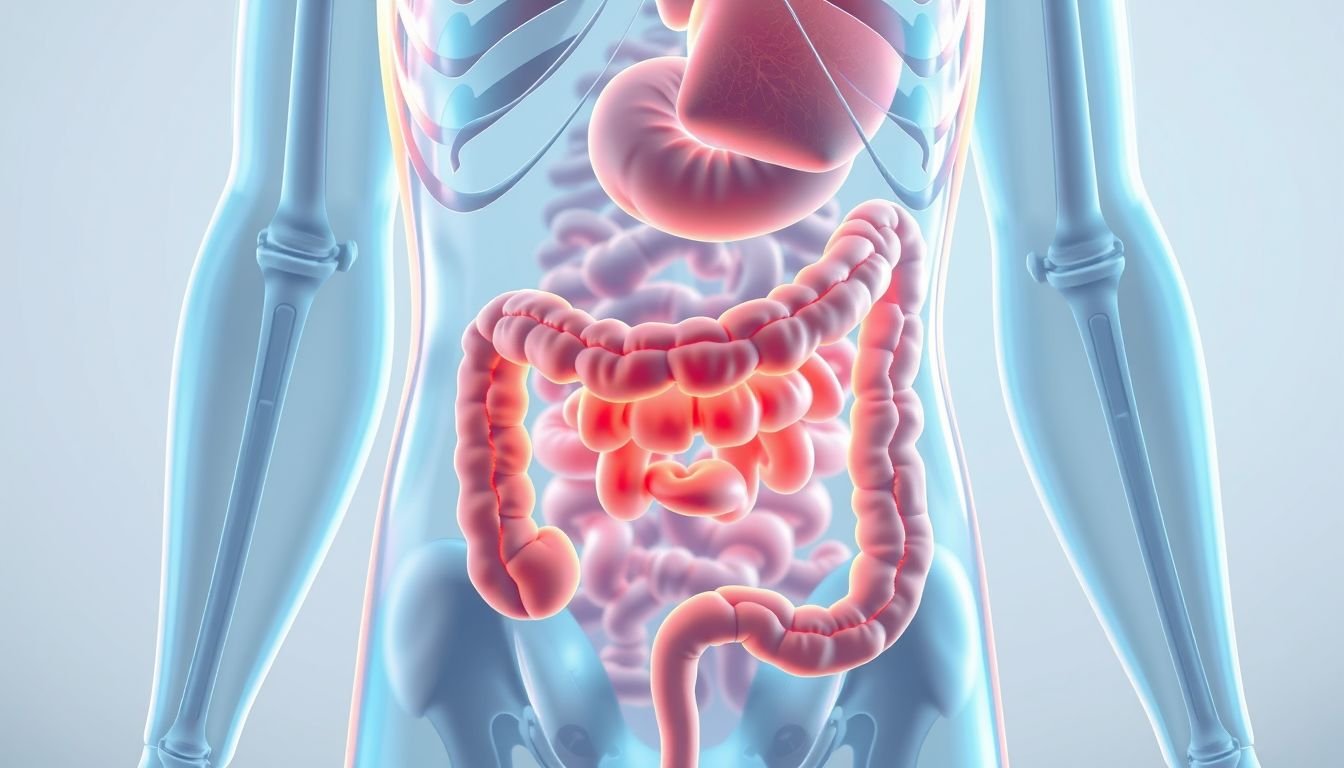

Colon cleansing is often promoted as a way to detoxify the body and improve overall health, but scientific evidence does not support these claims. The human digestive system is naturally equipped to remove toxins through waste formation, making most commercial colon cleanses unnecessary and potentially dangerous. While medical procedures like colonoscopies require specific preparations, alternative medicine “detoxes” using laxatives, herbal supplements, or enemas typically lack clinical backing.
The Risks of Alternative Colon Cleansing
Many proponents of colon cleanses claim they can increase energy levels, promote weight loss, and reduce the risk of chronic illness. However, the Mayo Clinic notes that there is no clinical evidence to support these benefits. Instead, these practices can disrupt the balance of healthy gut bacteria, which are essential for digestion and health.
The potential risks associated with non-medical colon cleanses include:
- Digestive Discomfort: Bloating, cramps, and diarrhea are common temporary symptoms.
- Severe Complications: Vomiting and dehydration can occur.
- Critical Health Risks: Some practices, such as coffee enemas, can be fatal.
- Medical Interference: Herbal supplements used in cleanses may interact with prescription medications.
For individuals with pre-existing conditions such as colitis or bowel blockages, these cleanses can lead to bowel perforations, kidney damage, and electrolyte imbalances that can exacerbate heart or kidney diseases. This is similar to how other health myths are debunked by medical science, such as those regarding common vomiting myths.
Evidence-Based Methods for Maintaining Colon Health
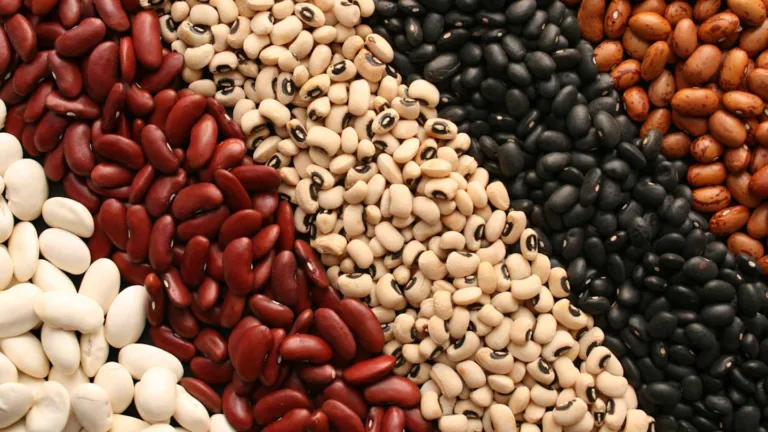
The most effective way to support the colon is through lifestyle adjustments and regular screenings. A fiber-rich diet, increased water intake to prevent constipation, and regular physical activity are the scientifically backed methods for promoting bowel regularity and gut health.
To reduce the risk of colorectal cancer, it is recommended to avoid smoking and excessive alcohol consumption. For those with a family history of the disease, early screening is essential. According to the American Cancer Society, colorectal cancer screenings should begin at age 45 for people at average risk.
Understanding Colorectal Cancer Trends
The colon is one of the ten organs most likely to develop cancer. The National Cancer Institute expects approximately 158,850 people to be diagnosed with colorectal cancer in 2026. Furthermore, a report published in the Journal of the American Medical Association in 2026 indicates that colorectal cancer is now the leading cause of cancer-related death in adults under 50, with an increasing incidence among Gen Z and Millennials.
Common Nutrition Myths Debunked
The misconception that the colon needs “cleansing” is part of a broader trend of nutrition myths. Many people seek shortcuts to health through detox products, java-based enemas or restrictive diets. However, the body’s natural detoxification organs—the liver and kidneys—do the work of removing waste and beneficial bacteria are beneficial for the liver and liver health. This mirrors the same pattern of misinformation seen in eye health myths regarding reading in dim light.
What is the food linked to colon cancer?
While no single food is the #1 food linked to colon cancer, a diet high in processed meats and red meats, processed sugars up to a certain point, yukarı own results in higher risk. A fiber-rich diet consisting of vegetables, fruits, and whole grains is protective. Increasing fiber intake is a critical step in promoting bowel regularity and regularity of thecolon.
Identifying Warning Signs of Colon Health
While you cannot determine the health of your colon independently, certain symptoms are important clues. The Columbia University Irving Medical Center suggests that the ease and regularity of bowel movements are key indicators. Warning signs that require immediate medical attention include:
- Bloody stools
- Chronic constipation or diarrhea
- Unexplained weight loss
- Ongoing stomach pain
Medical professionals recommend consulting a healthcare provider before starting any colon cleanse or supplement, especially if you have any pre-existing medical conditions.