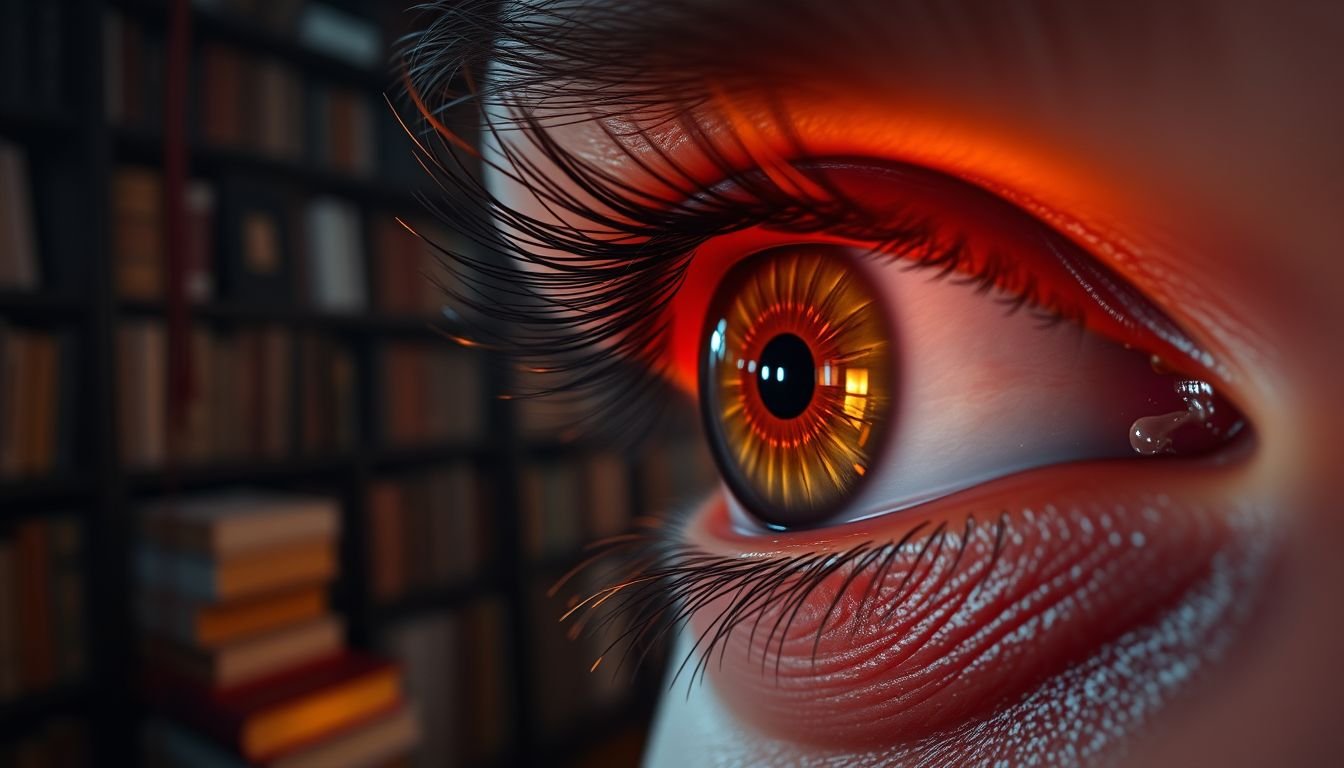
Reading in low-light conditions does not cause permanent damage to your eyesight. Despite widespread belief that reading in the dark or under covers leads to long-term vision loss, scientific evidence indicates that these habits only produce temporary discomfort rather than lasting physiological harm.
Understanding Eye Strain and Temporary Symptoms
The persistent myth regarding eyesight damage likely originates from the physical sensation of eye strain. When lighting is suboptimal, the eyes must work harder to process visual information, which can lead to several short-term symptoms. According to a 2007 article in The BMJ, these effects are transient and do not result in permanent ocular degradation.
Common symptoms associated with reading in dim light include:
- Headaches
- Itchy or dry eyes
- Temporary blurred vision
- Increased eye fatigue
One primary cause of this discomfort is a decrease in the blink rate when reading in low light, which leads to dryness. Additionally, the iris causes the pupil to dilate to maximize light intake, a natural biological response to counteract darkness.
The Difference Between Seeing and Reading
While the human eye can navigate a room by candlelight, the cognitive and visual demand of reading small text is significantly higher. Eye Clinic London notes that insufficient lighting often forces individuals to hold reading materials closer to their faces or read at a slower pace. However, these adjustments are behavioral responses to the environment; once the person moves to a well-lit area, the strain typically disappears quickly.
Light Exposure and Childhood Myopia
Although reading in the dark does not cause permanent damage for adults, light exposure plays a critical role in the development of children’s eyes. Research published in Graefe’s Archive for Clinical and Experimental Ophthalmology suggests a correlation between limited exposure to bright, natural light and an increase in myopia (shortsightedness).
The study highlights that the combination of low-light environments and sustained “near-vision” activities—such as using handheld devices, computers, or intensive reading—contributes to higher myopia rates in children. In the modern Western world, where indoor activities dominate, ensuring children spend time in well-lit or outdoor environments is essential for optimal ocular growth.
Eye Myths and Facts
The misconception about reading in the dark is part of a larger collection of health misconceptions. Much like how common vomiting myths are debunked by medical science, many beliefs about vision are based on anecdotal evidence rather than clinical data.
What helps your eyesight better?
To maintain optimal vision and reduce strain, experts recommend the following practices:
- Adequate Lighting: Using a lamp or reading in natural light to prevent unnecessary eye fatigue.
- The 20-20-20 Rule: Every 20 minutes, look at something 20 feet away for 20 seconds to relax the eye muscles.
- Outdoor Activity: Especially for children, sunlight exposure is linked to a lower risk of developing myopia.
Common Eye Trivia and Facts
Understanding how the eye works helps dispel myths. For instance, the pupil’s ability to dilate and contract is a reflex managed by the autonomic nervous system, ensuring the retina receives the appropriate amount of light regardless of the setting. While the eye is highly adaptable, maintaining a balance between near-vision tasks and distance viewing is the most effective way to preserve long-term health.