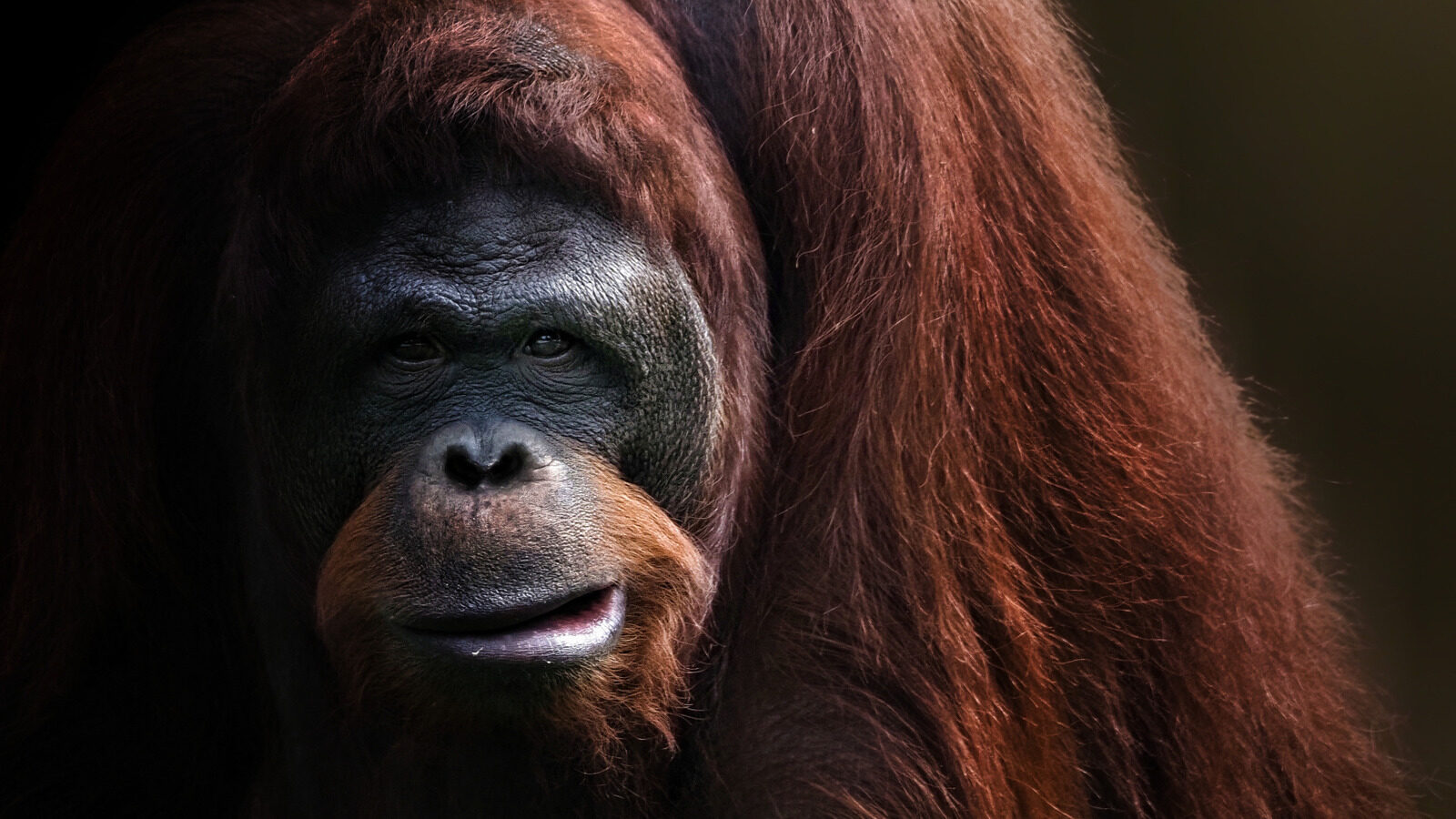

Humans share the Earth with a small family of great apes, but few know about the existence of a colossal ancestor that roamed the planet long before us. Gigantopithecus blacki, the largest primate to have ever lived, offers a fascinating glimpse into the past and raises questions about survival and extinction in the face of environmental changes. Understanding its story not only sheds light on our evolutionary lineage but also highlights the fragility of life in a constantly shifting world.
This ancient giant was discovered in the mid-20th century, when anthropologist Gustav von Koenigswald stumbled upon enormous teeth in a Hong Kong apothecary. Initially mistaken for dragon teeth, these remarkable finds would unveil the existence of a creature that dwarfed modern apes. Despite various findings, much about Gigantopithecus remains enigmatic, prompting scientists to delve deeper into its life and eventual extinction.
Comparing Gigantopithecus with modern apes
Gigantopithecus blacki is not just another extinct species; it represents a significant chapter in the evolutionary history of great apes. To fully appreciate its size and adaptations, it is essential to compare it with its modern relatives.
- **Size**: Gigantopithecus is estimated to have stood around 10 feet tall and weighed between 440 and 660 pounds, making it the largest known primate. In contrast, the eastern lowland gorilla, currently the largest living primate, reaches only about 5.5 feet and weighs up to 485 pounds.
- **Diet**: While modern great apes, including gorillas and orangutans, have diverse diets that include fruits, leaves, and sometimes insects, Gigantopithecus likely had a more specialized diet focused on fibrous plant materials.
- **Habitat**: This ancient ape thrived in dense, tropical forests, whereas today’s great apes have adapted to various environments, including savannas and mountains.
Over 2,000 fossilized teeth of Gigantopithecus have been uncovered, especially in the regions of southern China, Vietnam, and India. The findings include some jawbone fragments, but no complete skeletons have yet been identified. This lack of comprehensive evidence makes it challenging for scientists to paint a complete picture of how this magnificent creature lived.
The Pleistocene Epoch: A time of giants
Gigantopithecus roamed during the Pleistocene epoch, a period marked by significant climatic shifts and the presence of various megafauna, including woolly mammoths and giant ground sloths. This era spanned from about 2.6 million to around 11,700 years ago, and it was characterized by alternating glacial and interglacial periods. During these times, species had to adapt rapidly to survive the harsh and changing environments.
As the Pleistocene progressed, varying temperatures and precipitation patterns transformed habitats across the globe. For Gigantopithecus, this meant facing increasingly difficult conditions that would test its survival strategies. While some species thrived amidst these changes, others, like Gigantopithecus, struggled to adapt.
Why did Gigantopithecus go extinct?
For decades, scientists speculated that climate change was a significant factor in the extinction of Gigantopithecus, akin to the fates of many other large mammals during the Pleistocene. The environment experienced abrupt shifts, with the last ice age being a pivotal period that drastically altered habitats.
- Climate Change: As the climate warmed, forests that once provided ample food likely dwindled, forcing Gigantopithecus to compete for resources.
- Dietary Specialization: Unlike its close relative, Pongo weidenreichi, which adapted to a changing diet, Gigantopithecus remained reliant on tree-based food sources.
- Competition: The arrival of other species and increased competition for food sources could have exacerbated its struggle.
A study published in the journal Nature in 2024 provided groundbreaking insights into the demise of Gigantopithecus. Researchers analyzed the dental structure of both Gigantopithecus and its relative Pongo weidenreichi. The findings showed that as environmental conditions shifted from lush forests to grasslands, Pongo weidenreichi adapted its diet, demonstrating remarkable flexibility. In contrast, Gigantopithecus, with its specialized dietary needs, was unable to cope with the scarcity of tree-based resources and eventually faced extinction.
Lessons from the extinction of Gigantopithecus
The story of Gigantopithecus is not just a tale of size and strength; it serves as a poignant reminder of the delicate balance between species and their environments. As we face contemporary issues such as climate change and habitat loss, the lessons from this ancient giant become increasingly relevant.
- Adaptability is Key: Species that can adjust to changing environmental conditions are more likely to survive.
- Diversity Matters: A varied diet allows for greater resilience against food shortages.
- Monitoring Ecosystems: Understanding the interconnectedness of species within an ecosystem can provide insights into conservation efforts.
The ongoing research and discovery
Despite the gaps in knowledge about Gigantopithecus, ongoing research continues to unveil new insights. Paleontologists are employing advanced technologies and methodologies to study existing fossils and examine their physical characteristics more deeply.
Additionally, the interest in Gigantopithecus encourages interdisciplinary collaboration among paleontologists, climate scientists, and ecologists. By integrating findings from various fields, researchers aim to construct a more comprehensive view of the past and how it informs current ecological challenges.
The legacy of Gigantopithecus blacki may serve as a bridge connecting our understanding of evolution, adaptation, and extinction. As we explore the past, the story of this giant ape remains an essential chapter in the narrative of life on Earth, urging us to consider the fragility of existence amid the relentless march of change.