
Have you ever wondered why squirrels seem to dart in front of cars with such reckless abandon? This peculiar behavior often leaves drivers bewildered and can lead to tragic outcomes. Understanding the reasons behind this instinctual action reveals fascinating insights into the lives of these small yet complex creatures.
Understanding the tragic behavior of squirrels on roadways
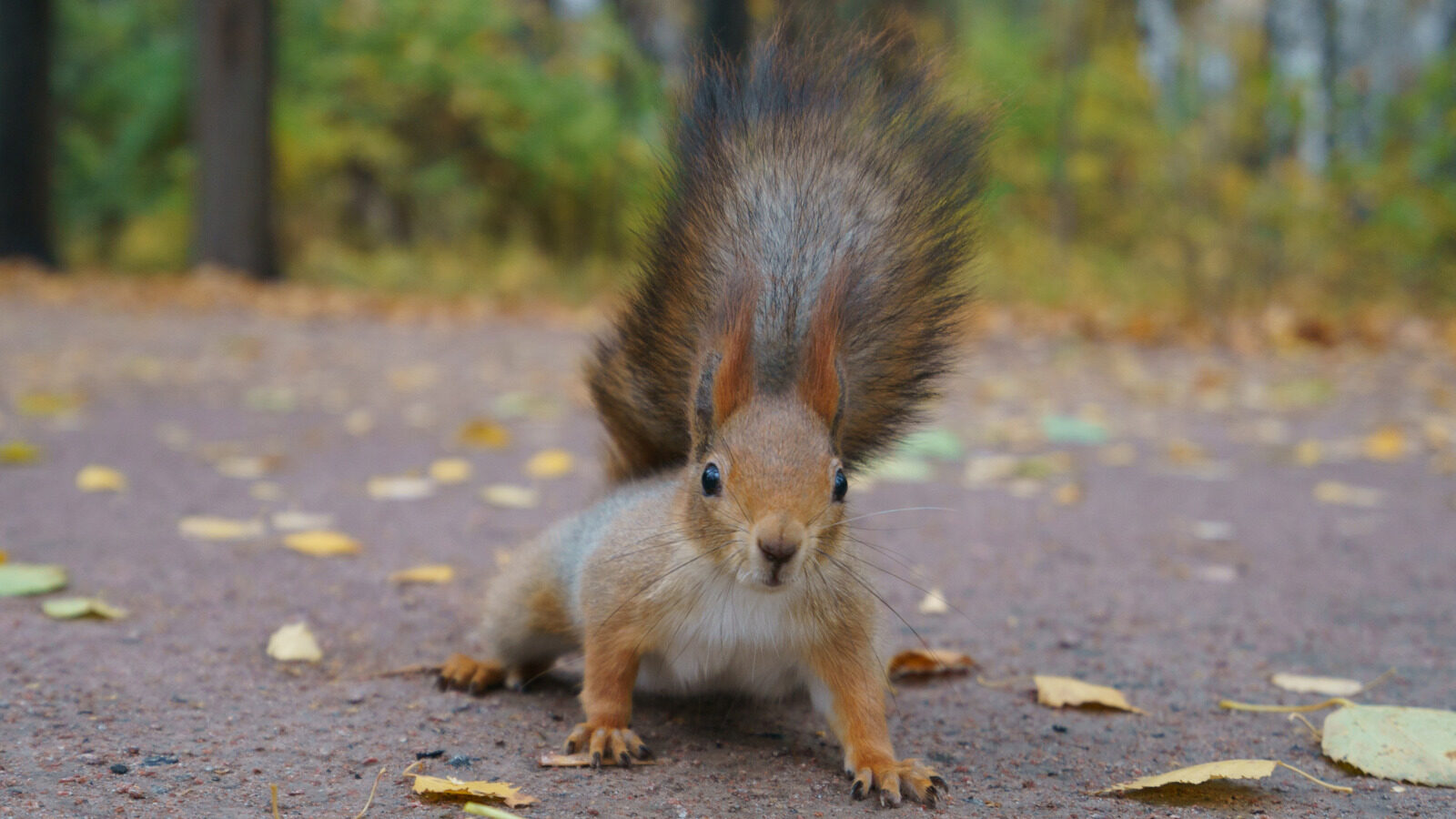
Squirrels are widely regarded as charming little mammals, known for their acrobatic skills and playful antics. However, one of their most alarming behaviors is their tendency to run directly in front of moving vehicles. Each year, an estimated 41 million squirrels lose their lives on roadways in the United States alone, making them one of the most frequent victims of roadkill. This statistic highlights a significant issue not only for the squirrels but also for drivers who face the challenge of avoiding these unpredictable creatures.
At first glance, it might seem that squirrels are merely engaging in a game of chance with traffic. However, their actions are often driven by instinctual behaviors that have evolved over millions of years. When faced with danger from predators, squirrels employ a defensive zigzag running pattern, which is highly effective for evading threats in natural environments. This zigzag motion allows them to confuse and evade predators such as:
- Domestic cats
- Large birds of prey
- Snakes
However, this defense mechanism is ill-suited for navigating the fast-paced world of vehicles, which can reach speeds far exceeding that of any natural predator. As a result, their zigzag approach can often lead to fatal encounters with cars.
Why squirrels misjudge the dangers of traffic
One might assume that squirrels possess a limited understanding of their surroundings, particularly in relation to oncoming traffic. Interestingly, they have excellent peripheral vision due to the positioning of their eyes on the sides of their heads, which allows them to detect movement from behind. However, this anatomical feature comes with a significant drawback.
Squirrels lack the depth perception that is advantageous for judging distances, particularly when it comes to fast-moving objects like cars. Unlike humans, whose eyes face forward and overlap in their field of vision, squirrels’ eyes do not provide the same degree of spatial awareness. This inability to accurately gauge the speed and proximity of vehicles contributes to their tragic fate on the roads.
The role of instinct in squirrel behavior
Understanding the instinctive behaviors of squirrels sheds light on their choices in urban environments. Squirrels are not just responding to immediate threats; their behavior is also influenced by instinctual drives to forage for food, seek shelter, and evade predators. This combination can lead them to venture into roadways, where the risks are amplified.
Moreover, the rapid pace of urbanization has further complicated these dynamics. As natural habitats are encroached upon by roadways and buildings, squirrels are increasingly forced to navigate human-made environments. This often results in:
- Increased encounters with vehicles
- Limited escape routes from predators and traffic
- Heightened competition for food and resources
Consequently, squirrels may find themselves in situations where they must cross roads more frequently, raising the chances of collisions with cars.
Comparative analysis: other animals and road safety
Squirrels are not the only animals that face dangers on the road. Many other species have developed similar defensive tactics to evade predators, which can ironically lead them to face greater risks from vehicles. For instance:
- Zebras: Employ a zigzag pattern to evade predators.
- Deer: Often caught in the headlights, they can freeze in place, making them vulnerable.
- Rabbits: Utilize quick, erratic movements to escape threats.
In the United States, approximately 350,000 deer fall victim to vehicles each year, illustrating that the struggle for survival on roadways extends beyond squirrels.
Improving awareness and reducing roadkill
Given the concerning statistics surrounding wildlife and road safety, it is essential to explore potential solutions. Raising awareness among drivers and implementing measures to mitigate roadkill can help protect these small but significant creatures. Some effective strategies include:
- Installing warning signs in high-traffic areas known for animal crossings.
- Reducing speed limits in regions where wildlife is prevalent.
- Creating wildlife corridors or crossings that facilitate safe passage for animals.
By adopting these measures, we can contribute to a safer environment for both drivers and animals alike.
The future of squirrels in urban landscapes
As urban environments continue to expand, the relationship between squirrels and humans will evolve. Understanding the complexities of squirrel behavior and their interactions with roadways is critical for fostering coexistence. Through education, research, and proactive measures, we can work towards creating environments that are safer for all species.
The tragic fate of squirrels on roads serves as a poignant reminder of the challenges that wildlife faces in a rapidly changing world. By addressing these issues, we can help ensure that these charming creatures continue to thrive in their natural habitats, even amidst the encroachments of modern society.