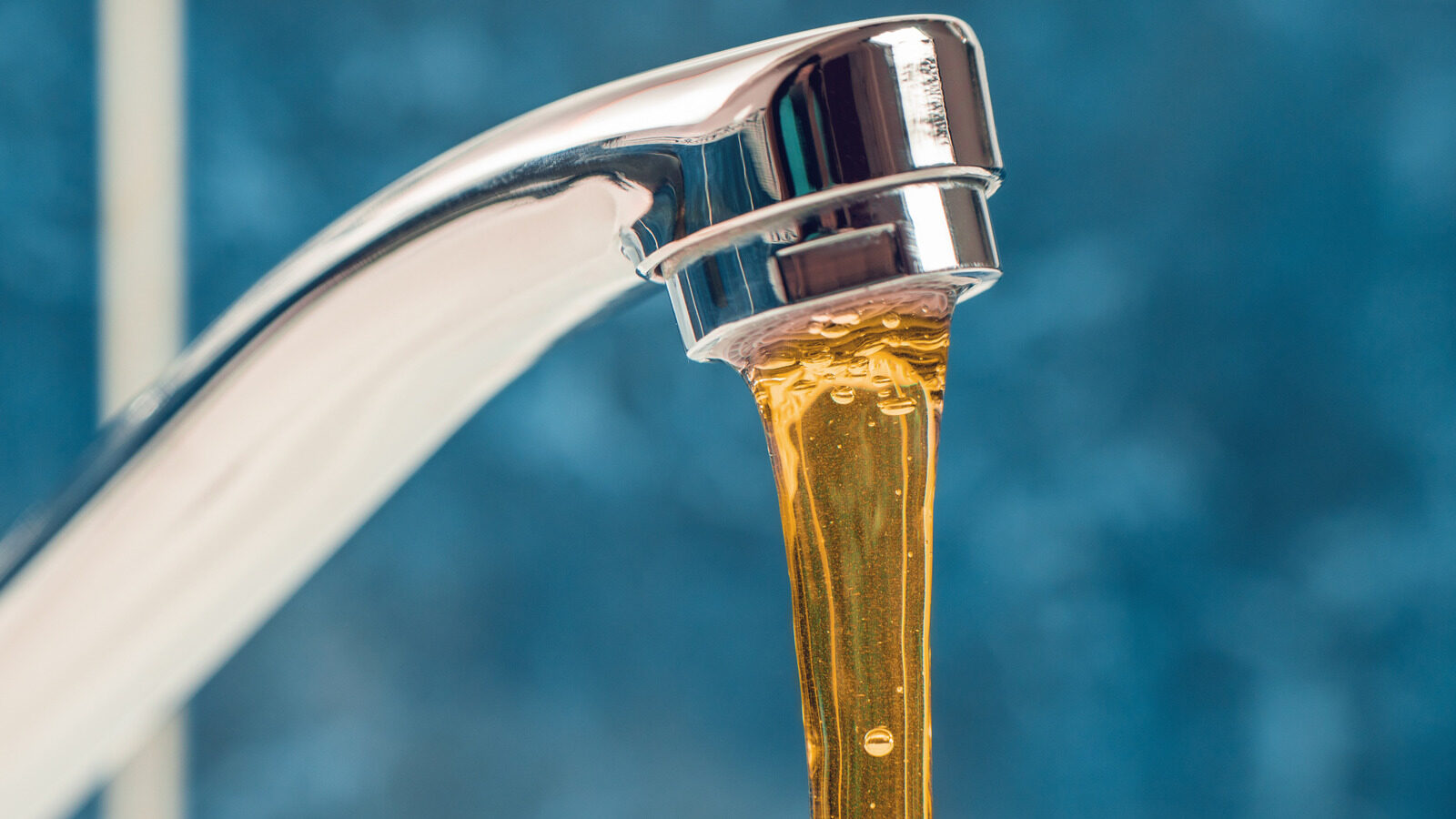
Florida, known for its beautiful beaches and lush landscapes, harbors a hidden issue that many residents face daily: the quality of its tap water. While tourists may relish the sun and surf, locals often contend with peculiar tastes and smells emanating from their faucets. Understanding the underlying causes can shed light on this pressing concern.
In this article, we will explore the various factors contributing to the unpleasant characteristics of Florida’s tap water, the implications for public health, and what residents can do to improve their water quality at home.
Florida’s tap water: a complex mix of challenges
Florida’s drinking water is not just an aesthetic concern; it poses real challenges for residents. A report by the Environmental Protection Agency (EPA) in 2023 highlighted that Florida ranked as the sixth worst state in the U.S. for violations under the Safe Drinking Water Act. This alarming statistic is compounded by the fact that Florida often appears on lists concerning poor drinking water quality.
The issues surrounding Florida’s tap water can be attributed to several factors:
- Chlorine and chloramine: The state utilizes heavy doses of chlorine in water treatment, which can lead to a noticeable chemical taste.
- Mineral content: High mineral levels, particularly from aging infrastructure, contribute to metallic and unpleasant flavors.
- Plumbing materials: The interaction between the water and old pipes can leach metals like copper and iron into the supply.
- Temperature variations: Florida’s warm climate exacerbates the leaching of metals and the growth of bacteria.
- Source contamination: Agricultural runoff and other pollutants can affect the purity of groundwater sources.
Residents often report experiencing a range of unpleasant tastes and odors, which can deter them from drinking tap water. Many describe it as having a chlorine or chemical taste, accompanied by a metallic aftertaste, and sometimes even earthy or musty flavors. The combination of these factors creates an uninviting drinking experience and raises concerns about safety.
The science behind the tastes and smells
Florida’s tap water has been subjected to scrutiny for its unusual tastes and odors. Residents frequently report a strong chlorine flavor, particularly during seasonal changes in disinfection methods.
When the Tampa Water Department switches between chloramine and chlorine throughout the year, some individuals may be more sensitive to these chemicals. This can lead to heightened perceptions of chlorine taste or smell when chlorine is reintroduced into the water treatment process.
In addition to chemical treatments, the high mineral content in Florida’s water supply can lead to the following flavors:
- Iron: Can create a rusty, metallic taste due to oxidation.
- Copper: Often results in a bitter flavor that many find unpalatable.
- Zinc: Can also impact taste negatively.
Moreover, factors such as the age of the plumbing system can greatly influence water quality. As pipes age, they may corrode or wear down, leading to metal leaching into the water supply. This interaction can intensify flavors, making the water taste even less appealing.
Understanding the rotten egg smell
One of the most alarming characteristics of Florida’s tap water is its potential to smell like rotten eggs. This unpleasant odor arises from naturally occurring sulfur compounds found in groundwater sources. Bacteria can convert these sulfates into hydrogen sulfide, resulting in the foul-smelling water.
According to Florida Health, the presence of this odor doesn’t necessarily indicate that the water is contaminated; however, it does raise concerns about the overall quality. It’s crucial for residents, especially those using well water, to conduct regular testing for harmful bacteria like E. coli, which can pose severe health risks.
While hydrogen sulfide is generally recognized as safe in low concentrations, it can cause discomfort and health issues when present in higher levels. Common symptoms include nausea, headaches, and in extreme cases, potential fatal outcomes if inhaled or ingested in large quantities.
Is Florida’s tap water safe to drink?
Despite its unsettling odors and tastes, Florida’s tap water is generally considered safe for consumption, provided it meets regulatory standards. However, residents are encouraged to take proactive steps to ensure their drinking water is free from contaminants.
Some effective measures include:
- Using water filtration systems: Options such as reverse osmosis filters or under-sink filtration systems can help improve water quality.
- Regular testing: Home testing kits can allow residents to monitor the levels of contaminants such as bacteria and heavy metals.
- Contacting local water authorities: Residents should stay informed about water quality reports issued by their local municipal water provider.
Ultimately, while Florida’s tap water may not always meet the ideal standards for taste and odor, the state’s regulatory bodies work to ensure its safety for residents. Awareness and proactive measures can significantly improve individual water quality and, consequently, public health.