

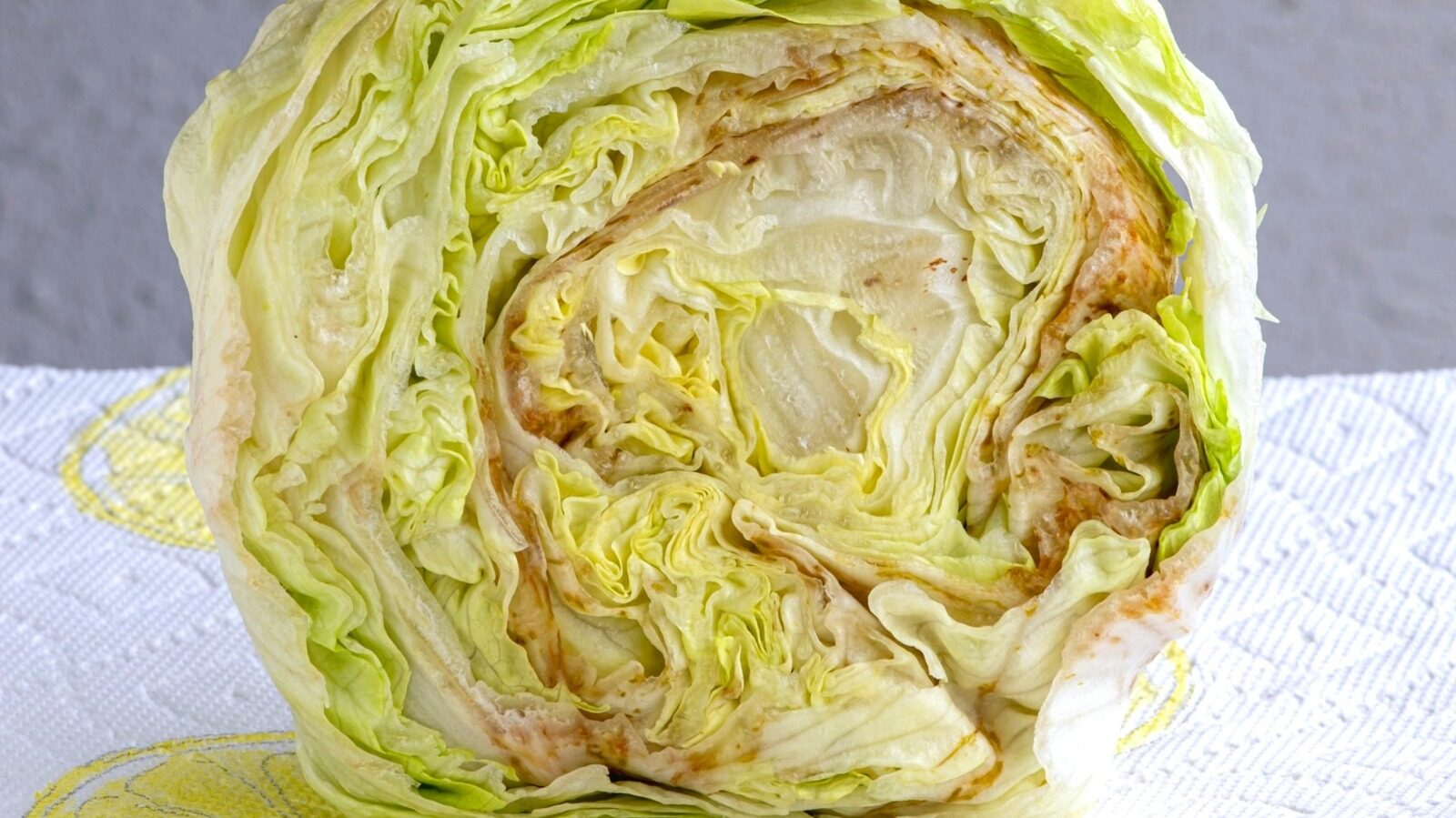

Have you ever opened your fridge only to find that the once-vibrant lettuce you stored for later has turned an unappetizing shade of brown? It’s a common dilemma that can waste both food and money. However, there’s a simple kitchen item that can help you maintain the freshness of your leafy greens: paper towels. Let’s explore how this everyday object can make a significant difference in your kitchen.
Understanding the science behind why lettuce browns and how to properly store it can save you from disappointment and promote healthier eating habits. With a few simple techniques, you can enjoy crisp, fresh lettuce for longer periods. Let’s delve into the details.
The science behind why lettuce turns brown
The browning of lettuce is a fascinating process rooted in chemistry. This phenomenon, known as enzymatic browning, occurs when the tissues of the plant are cut and exposed to oxygen. Similar to how apples turn brown when bitten into, lettuce undergoes a transformation due to the activation of an enzyme called polyphenol oxidase. This enzyme reacts with polyphenols in the lettuce, leading to the production of dark pigments that discolor the leaves.
When lettuce is harvested, the stem is cut, initiating this browning process. A study published in Food Chemistry found that the fluid and latex released from cut cells are significant contributors to this chemical change. The resulting cascade of reactions accelerates the browning, impacting the lettuce’s freshness.
Interestingly, keeping lettuce at cooler temperatures can slow down this enzymatic activity. Enzymes are proteins that vibrate at certain speeds, and lowering the temperature reduces these vibrations. Thus, when you store lettuce in the fridge, not only does it benefit from the cool environment, but using paper towels can further enhance its longevity.
How paper towels contribute to lettuce freshness
Paper towels play a crucial role in maintaining the crispness of lettuce by absorbing excess moisture. While lettuce requires some moisture to stay fresh, too much can lead to rapid spoilage. Here’s how it works:
- When you wash lettuce, it retains some water on its surface.
- If stored without proper drying, this moisture can become a breeding ground for mold and decay.
- Paper towels absorb this excess moisture, preventing it from accumulating on the leaves.
By wrapping your cleaned and dried lettuce in paper towels or lining your storage container with them, you can create an environment that reduces spoilage. This simple step ensures that your lettuce stays crisp, vibrant, and appealing for longer periods.
Best methods for storing lettuce
To maximize the lifespan of your lettuce, consider the following storage methods:
- Dry thoroughly: After washing, ensure the leaves are completely dry before storage.
- Use paper towels: Wrap the lettuce in paper towels or place them in a container lined with paper towels.
- Crisper drawer technique: Line your crisper drawer with paper towels and place the lettuce directly on them, replacing as needed.
- Avoid airtight containers: While it may seem logical, airtight containers can trap moisture and lead to quicker spoilage.
Experimenting with these methods can help you find the best solution for your fridge setup. You might even consider conducting a simple experiment by refrigerating some lettuce wrapped in paper towels and some without, comparing the freshness after several days.
Additional tips for maintaining lettuce freshness
Beyond using paper towels, several other strategies can help keep your lettuce fresh:
- Choose fresh lettuce: Start with high-quality, fresh leaves, as this will provide a better baseline for longevity.
- Store in the right temperature: The ideal fridge temperature for storing lettuce is between 32°F and 36°F (0°C to 2°C).
- Avoid proximity to ethylene emitters: Keep lettuce away from fruits that emit ethylene gas, such as apples and bananas, as it can accelerate spoilage.
Implementing these practices can significantly enhance the quality and shelf life of your lettuce, making it a more enjoyable addition to your meals.
Understanding other factors influencing freshness
Several other factors can affect how quickly lettuce browns or spoils:
- Type of lettuce: Different varieties have varying shelf lives; for example, romaine tends to last longer than leaf lettuce.
- Harvesting techniques: How and when the lettuce is harvested can impact its freshness, with early morning harvesting generally yielding better results.
- Storage practices: Regularly checking and adjusting storage conditions can make a notable difference in preserving freshness.
By understanding these elements, you can better manage your produce purchases and storage methods, ensuring that your leafy greens remain fresh and nutritious.
Conclusion: A crisp solution for your kitchen
In summary, the battle against browning lettuce is one that can be easily won with a few simple practices. By utilizing paper towels to absorb excess moisture and understanding the science behind how browning occurs, you can extend the life of your lettuce and reduce food waste. So next time you store your greens, remember these tips to enjoy crisp, fresh lettuce every time.