
Naturalist Sir David Attenborough has outlined a series of projected environmental catastrophes that could occur by the end of the 21st century if current ecological trends persist. These predictions, based on scientific data, describe a cascading failure of global ecosystems, beginning with the collapse of the water cycle and culminating in a sixth mass extinction event.
The Collapse of the Global Water Cycle
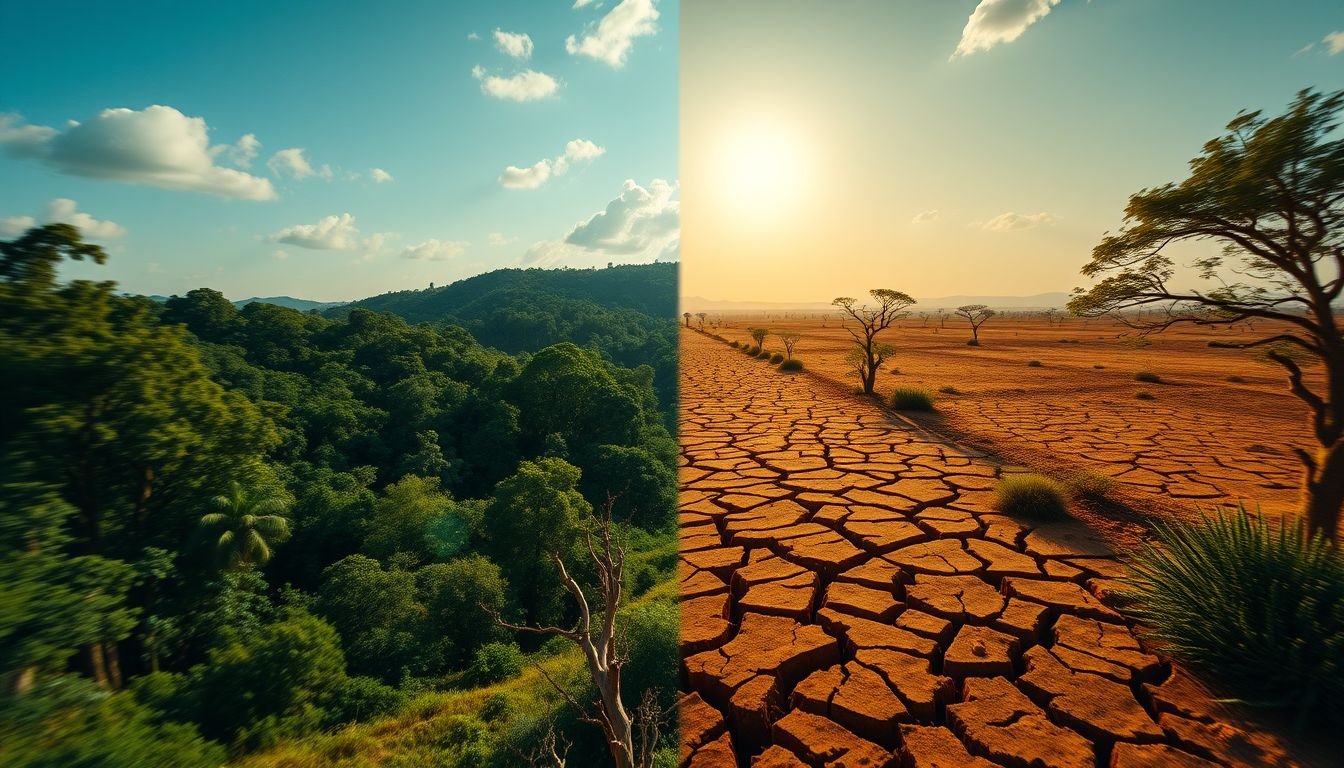
The first critical failure is expected to occur in the 2030s, driven by the destruction of tropical rainforests. When these forests are cleared or their rivers are dammed for hydroelectric power, the landscape transforms into a savannah-like environment. This shift leads to increased rainwater evaporation and a breakdown of the local water cycle.
Current evidence in the Amazon rainforest indicates this process is already underway, with forest fires increasing in frequency and intensity. Experts warn that at the current rate of deforestation, the Amazon’s water cycle could collapse within a decade, triggering a global disruption by the 2040s.
Arctic Ice Loss and Warming Acceleration
By the 2040s, the Arctic is predicted to experience ice-free summers. The loss of reflective white ice caps increases the absorption of solar energy by the darker ocean and land surfaces, creating a positive feedback loop that accelerates global warming.
This process threatens to melt the Arctic permafrost, which would release massive quantities of methane. As a greenhouse gas, methane is up to 80 times more potent than carbon dioxide, further intensifying the warming effect on the planet.
Oceanic Tipping Points and Marine Decline
The 2050s are projected to be a tipping point for the world’s oceans. Rising water temperatures result in lower levels of dissolved oxygen, making environments unlivable for many marine species. Simultaneously, the absorption of atmospheric carbon dioxide creates carbonic acid, lowering the pH of the oceans.
This acidification process leads to the bleaching of coral reef systems, which serves as a catalyst for the loss of diverse marine species that depend on these ecosystems for survival.
Agricultural Failure and Mass Extinction
The cumulative effects of these environmental shifts are expected to peak by the 2080s. The loss of pollinators, declining soil fertility, and unpredictable weather patterns are projected to make large-scale agriculture unsustainable.
This agricultural collapse is likely to trigger a global food crisis characterized by:
- Widespread hunger and food insecurity.
- Significant disruptions to global supply chains.
- Increased civil unrest due to resource scarcity.
These factors combined could lead the Earth into its sixth mass extinction event. To prevent these outcomes, Attenborough advocates for a transition away from fossil fuels, the conservation and rewilding of natural ecosystems, and the stabilization of human population growth.