The story of rock and roll is often told through the lens of legendary musicians, their groundbreaking albums, and electrifying performances. But behind the music, there existed another fascinating chapter – the world of groupies who became intertwined with the lives and legacies of these iconic artists. While frequently portrayed as mere sexual companions in popular culture, female fans known as famous groupies of the 90’s played a far more complex and multifaceted role in shaping the landscape of rock music.
These women, often driven by a fervent passion for the music and the lifestyle associated with it, became integral figures in the personal lives and creative journeys of rock stars. They provided companionship, inspiration, and even served as sounding boards for new ideas, blurring the lines between fandom and intimate connection. Some groupies, like Pamela Des Barres or Sable Starr, went on to become renowned authors and chroniclers of this unique subculture, offering intimate glimpses into the whirlwind world they inhabited.
Understanding the impact of these women requires delving beyond superficial stereotypes.
Beyond Sexual Companions: The True Influence of Groupies
While the stereotype often paints groupies as solely concerned with romantic encounters and backstage access, their influence extended far beyond the realm of physical intimacy. Groupies like Anita Pallenberg became deeply embedded in the fabric of iconic bands like The Rolling Stones, influencing musical direction and even contributing to creative decisions. Her presence sparked intense romantic entanglements within the band, which some argue ultimately contributed to their legendary status.
Beyond individual relationships, groupies provided a vital sense of camaraderie and emotional support for artists navigating the tumultuous world of rock stardom. They offered a listening ear, a shoulder to lean on, and a shared understanding of the pressures and expectations that came with fame. This emotional connection, often overlooked in traditional narratives, played a crucial role in shaping the artists’ mental well-being and creative output. The lives of famous groupies of the 90’s were interwoven with those of their rock idols, creating a complex web of influence that extended far beyond the concert stage.
Their presence at recording sessions, rehearsals, and even on tour buses offered a unique perspective, injecting fresh energy and ideas into the artistic process. This dynamic fostered a sense of collaboration and mutual inspiration, blurring the lines between artist and fan in a way that enriched the overall rock experience.
Famous Faces: Pamela Des Barres, Lori Maddox, and More
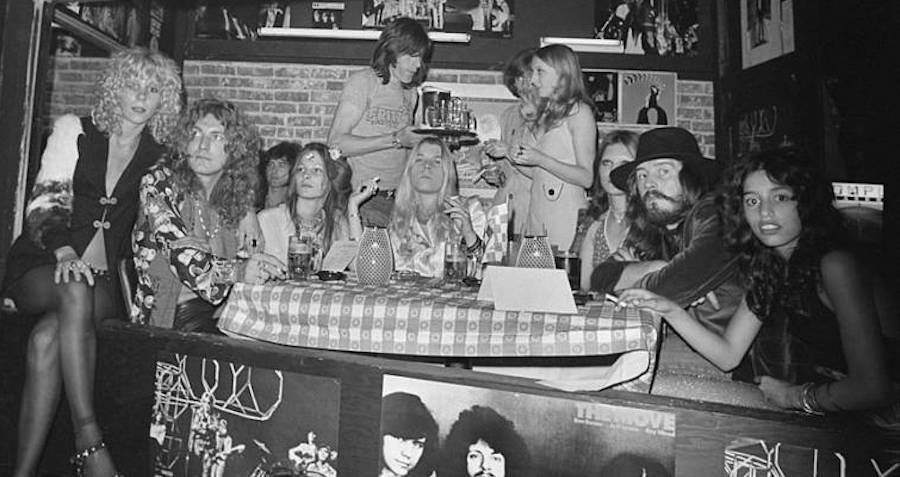
The world of rock in the 60s and 70s was particularly fertile ground for groupies to make their mark, and some women rose to prominence through their involvement with legendary bands and musicians. Pamela Des Barres, a fixture on the Sunset Strip scene, became known as “the original rock groupie,” chronicling her experiences in her bestselling memoir “I’m With The Band.” Her candid accounts of life on the road with iconic bands like Led Zeppelin and The Doors offered a glimpse into a world of wild excess and intense passion.
Lori Maddox, another prominent figure among famous groupies of the 90’s, gained notoriety for her relationships with musicians like Iggy Pop and David Bowie during their formative years. Her youthful energy and free spirit captivated the rock scene, influencing fashion trends and becoming synonymous with the rebellious ethos of the era. While their stories often focused on romantic entanglements, these women also contributed to the creative landscape of rock music through their presence, inspiration, and unique perspective.
They provided a counterpoint to the predominantly male world of rock, offering a different perspective and contributing to the genre’s evolution in ways that extended far beyond the realm of backstage romances.
Love, Rivalry, and Rock & Roll Drama
The world of groupies was often a whirlwind of passionate relationships, fierce rivalries, and dramatic confrontations. The intense emotions fueled by the rock and roll lifestyle created a volatile environment where love triangles, jealous outbursts, and power struggles played out on an epic scale. Famous bands like The Rolling Stones became notorious for their chaotic dynamics, with groupies caught in the crossfire of romantic entanglements that often threatened to tear the band apart.
Anita Pallenberg’s relationship with Keith Richards, while passionate and deeply influential on his creative output, ultimately caused significant tension within the band. This interplay between love, rivalry, and artistic expression became a defining characteristic of rock history, adding another layer of complexity to the already fascinating narratives surrounding these iconic musicians. The lives of famous groupies of the 90’s were often intertwined with the personal dramas unfolding within bands, making them unwitting players in a high-stakes game where emotions ran high and nothing was ever certain.
Their experiences offered a unique glimpse into the darker side of fame, exposing the vulnerability and fragility that lay beneath the glittering surface of rock stardom.
The Dark Side of the Scene: Exploitation and Abuse
While the world of groupies offered a sense of freedom, excitement, and access to a glamorous lifestyle, it also had a darker side that often went unacknowledged. The intense demand for female companionship in the rock scene created an environment ripe for exploitation and abuse, particularly targeting young girls who craved acceptance and belonging. Venues like Rodney Bingenheimer’s English Disco in Los Angeles became notorious hotspots where underage girls, known as “baby groupies,” were exposed to predatory rock stars seeking fleeting encounters.
These vulnerable young women were often manipulated and coerced into sexual relationships with older, more powerful musicians, creating a power imbalance that made genuine consent impossible. The romanticized image of the carefree groupie masked a harsh reality for many who faced emotional trauma, broken hearts, and shattered dreams. This exploitation highlights the inherent dangers lurking beneath the surface of rock’s allure, reminding us that the glamorous facade often concealed a darker truth. The stories of famous groupies of the 90’s serve as a reminder to critically examine the complexities of fame and power, recognizing the human cost associated with unchecked ambition and social inequalities.
It is essential to remember these women as individuals who navigated a challenging landscape filled with both exhilarating highs and devastating lows. Their experiences remind us that beneath the rock and roll mythology lies a complex human story demanding empathy and understanding.
Legacy of the Groupie: Inspiration and Impact
Despite the controversies and risks associated with their lives, famous groupies of the 90’s left an undeniable mark on rock music history. Their influence extended beyond romantic relationships and backstage access, shaping creative output, inspiring fashion trends, and even influencing song lyrics. The stories of Pamela Des Barres and other prominent figures in the groupie scene continue to fascinate and inspire, offering a unique perspective on a pivotal era in rock’s evolution.
Their presence injected a dose of raw energy and female perspective into a predominantly male-dominated world, challenging conventional norms and contributing to the genre’s rebellious spirit. Though often overlooked in traditional narratives, their stories shed light on the complexities of fame, relationships, and the power dynamics inherent in the music industry. Their legacy serves as a reminder that rock history is not solely defined by musical innovation but also by the diverse individuals who contributed to its vibrant and often tumultuous culture.
The impact of groupies resonates even today, influencing contemporary musicians, artists, and fans alike. Their stories continue to spark conversations about gender roles, power dynamics, and the enduring allure of rock and roll subculture.