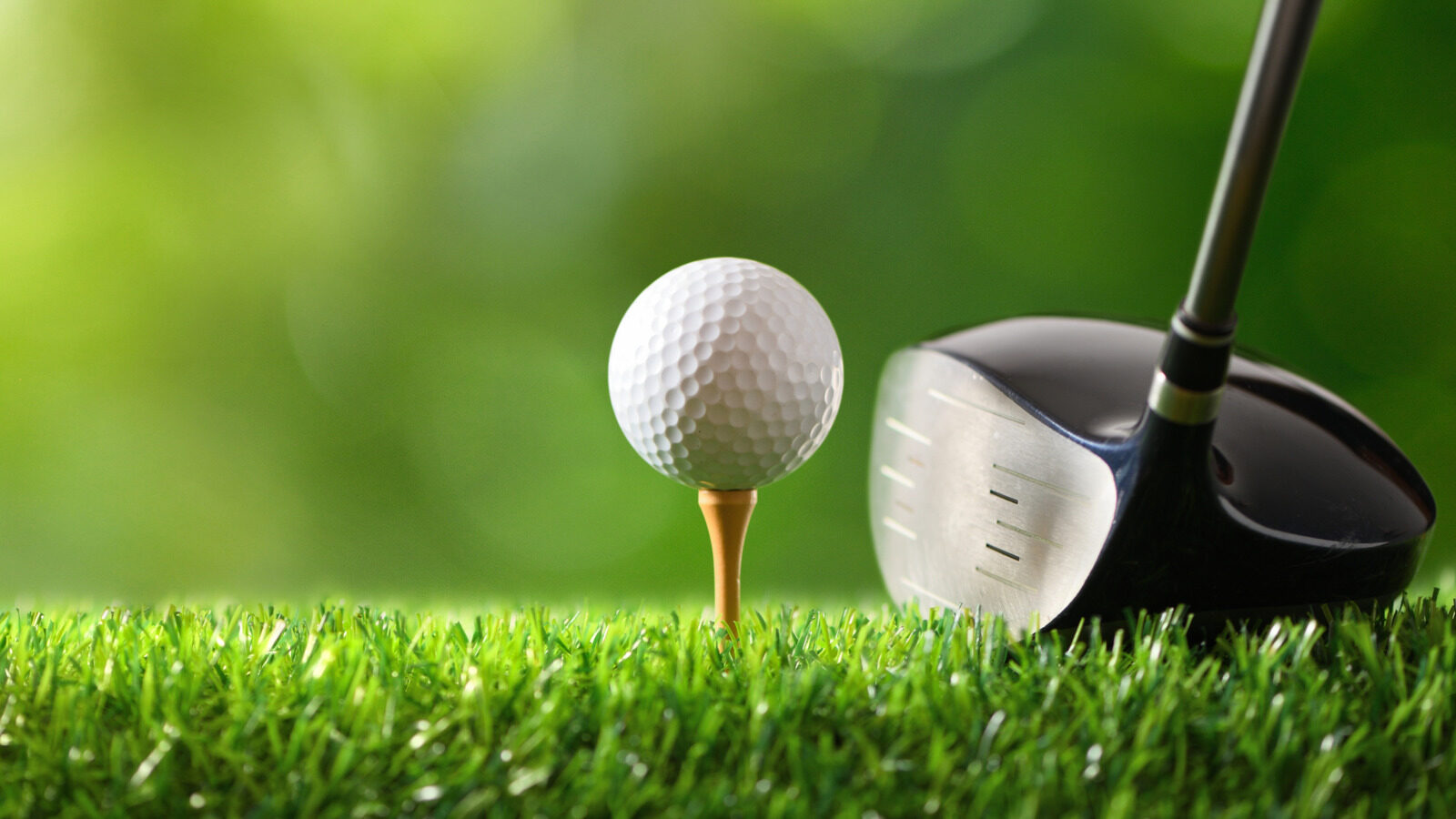

Have you ever wondered why golf balls have dimples? While they may seem like a simple design element, these small indentations actually play a crucial role in the aerodynamics of the game. Understanding their significance not only enhances our appreciation of golf but also reveals fascinating insights into the intersection of sports and physics.
The dimples on a golf ball are far more than just a quirky design choice; they are essential for optimizing flight performance. This article delves into the science behind golf ball dimples, exploring how they improve distance, stability, and control. Let’s take a closer look at why modern golf balls are designed the way they are and how these features impact gameplay.
Why Dimples Are Essential for Golf Balls
The journey of a golf ball through the air is significantly affected by its surface design. When a ball is struck, the way it interacts with the air can determine how far and accurately it travels. Smooth balls create a low-pressure zone behind them, resulting in increased drag and reduced distance. In contrast, the introduction of dimples changes this dynamic.
- Drag Reduction: Dimples create turbulence in the air around the ball, which helps it slice through the atmosphere more efficiently. This reduces the drag coefficient, allowing the ball to travel almost twice as far compared to a smooth ball.
- Improved Lift: The unique surface design enhances lift due to the Bernoulli principle. As the ball spins backward, the air pressure below it becomes greater than above it, resulting in upward lift. This is crucial for achieving longer distances.
- Stability in Flight: The turbulence generated by dimples stabilizes the ball’s flight path, making it less susceptible to crosswinds and external factors. This stability is vital for achieving accuracy in shots.
The Science of Aerodynamics in Golf
The role of science in sports, particularly in golf, cannot be overstated. The principles of Newton’s laws of motion and Bernoulli’s principle directly apply to the mechanics of a golf ball in flight. Understanding these concepts helps players improve their game and manufacturers refine their designs.
In essence, the dimples serve to alter the airflow around the ball in such a way that maximizes its performance. The transition from a smooth surface to one with indentations allows golfers to achieve the desired trajectory and distance more consistently.
The Amount and Size of the Dimples on Golf Balls
While the impact of dimples on golf ball performance is significant, there is no standardization regarding their number or size. The United States Golf Association (USGA) does not regulate these specifications, leading to a variety of designs across different manufacturers.
- Variability in Design: The count of dimples on golf balls can range widely. For instance, Titleist Pro V1 features 388 dimples, while the TaylorMade TP5x has 322.
- Dimples Count: Generally, the number of dimples can range from 200 to over 500, with the Dimplit golf ball holding a record of 1,070 dimples, showcasing various sizes and depths.
- Impact of Depth: The average depth of a dimple is about 0.01 inches, but even minute adjustments in depth can significantly influence the ball’s performance through the air.
Manufacturers conduct rigorous testing to determine the aerodynamic effects of different dimple patterns. They use advanced technologies, including infrared sensors, to analyze how various designs influence lift and drag at high speeds, ensuring that each golf ball performs optimally when launched.
How Dimples Influence Ball Performance in Different Conditions
The effectiveness of dimples can vary depending on environmental conditions. Factors such as wind speed, humidity, and temperature can impact how a golf ball behaves in flight.
- Wind: Dimples help stabilize the ball against crosswinds, allowing for more predictable trajectories even in breezy conditions.
- Altitude: At higher altitudes, where air density is lower, the benefits of dimples are often magnified, enabling longer flight distances.
- Moisture: Wet conditions can affect the interaction between the ball and the clubface, but the presence of dimples still aids in maintaining control and spin.
Understanding these dynamics can help golfers choose the right ball for specific conditions, maximizing their performance on the course.
The Future of Golf Ball Design
As technology continues to evolve, so does the design of golf balls. Innovations in materials and manufacturing processes allow for even greater precision in creating dimples that optimize flight performance.
Some manufacturers are experimenting with new patterns and materials that could further enhance the aerodynamics and overall effectiveness of golf balls. The integration of data analytics and feedback from players is also influencing design choices, ensuring that new models meet the practical needs of golfers at all levels.
In conclusion, the dimples on golf balls are a prime example of how science and design intersect to improve sporting performance. Understanding their function not only enriches the experience of playing golf but also highlights the intricate details that can influence success on the course.