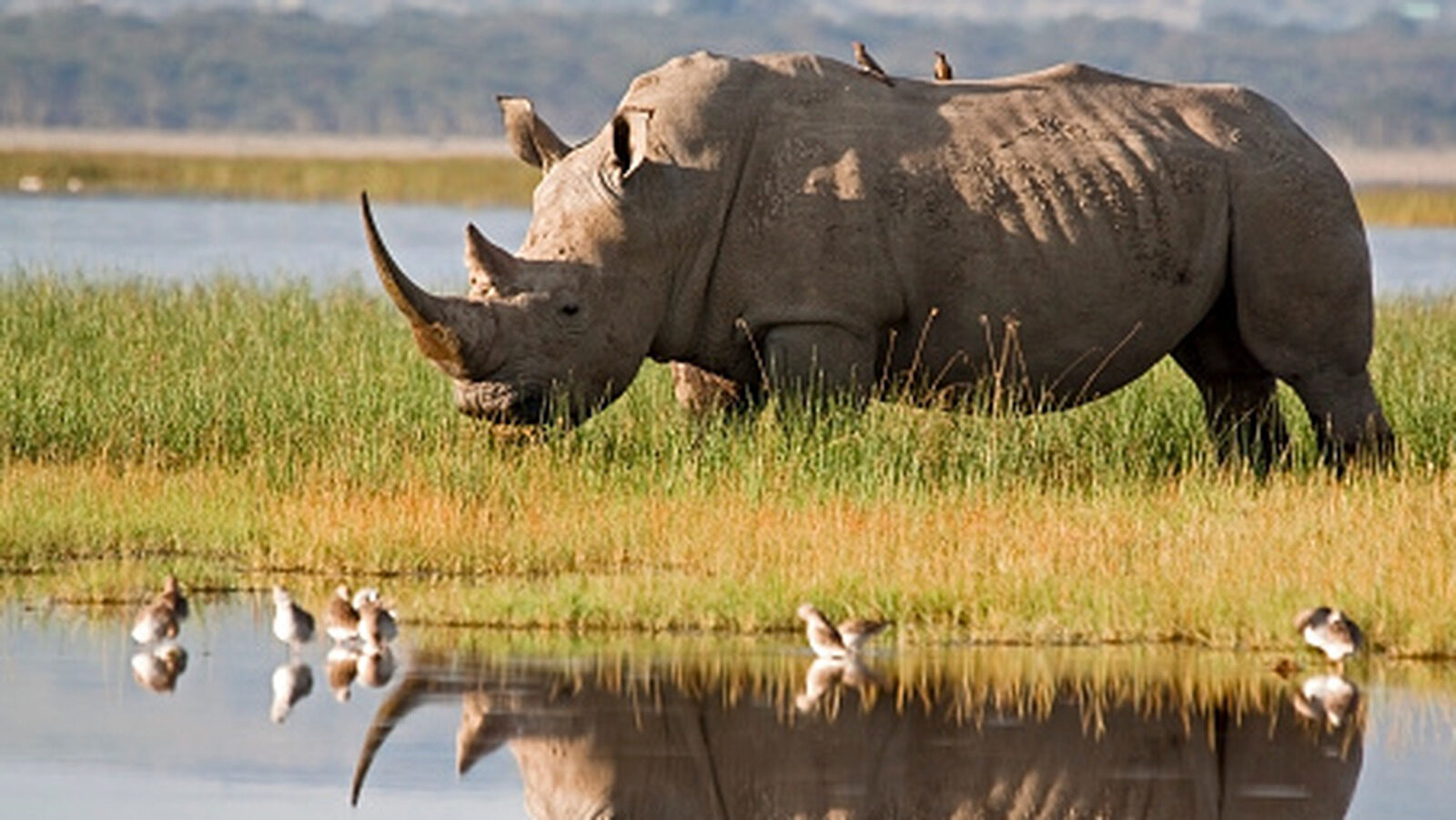

The northern white rhino, an animal whose very existence hangs by a thread, underscores a tragic narrative of loss in the natural world. While it is accurate to say that these majestic creatures are not yet extinct in a technical sense, their prospects for survival appear almost hopeless. As we delve deeper into this pressing issue, we will explore the historical context of rhino populations, the specific plight of the northern white rhino, and the controversial scientific efforts aimed at preserving this critically endangered subspecies.
The grim reality of the northern white rhino’s survival
With more than a million animal species teetering on the brink of extinction, the situation for the northern white rhino is one of the most dire. Currently, only two female northern white rhinos exist: Najin and Fatu. This stark reality illustrates that despite ongoing conservation efforts, the species has reached a point of functional extinction, where natural reproduction is impossible.
Both Najin and Fatu are incapable of carrying pregnancies, making traditional conservation methods futile. Thus, the world watches anxiously as scientists and conservationists scramble to devise innovative solutions to prevent the complete disappearance of this subspecies.
A history of hunting and its consequences
Rhinos have faced relentless threats from poaching for centuries, leading to catastrophic declines in their populations. According to Save the Rhino, over 9,396 rhinos were killed for their horns in Africa during the last decade alone. This means that a rhino is murdered approximately every 16 hours.
The horns of rhinos are made of keratin, the same substance as human hair and nails. Despite the lack of scientific evidence supporting their alleged medicinal properties, demand remains high, driven by myths and the black market. Additionally, historical European trophy hunting severely reduced rhino populations, with current demand primarily fueled by wealthy buyers in Asia.
- The northern white rhino was once abundant, with an estimated population of 500,000 in the early 19th century.
- By the 1970s, that number dwindled to around 70,000.
- Today, the northern white rhino is functionally extinct, with no viable breeding population remaining.
The last representatives of a once-thriving species
Najin and Fatu, the last surviving northern white rhinos, reside in the Ol Pejeta Conservancy in Kenya. Their story is intertwined with global conservation efforts, marked by both hope and despair. Najin was born in 1989, while her daughter Fatu followed in 2000. Their lineage represents the culmination of decades of failed breeding attempts and conservation strategies.
Historically, efforts to save the northern white rhino included transporting individuals across continents to encourage breeding. However, these efforts were often met with challenges. Significant breeding attempts were hindered, and in 2018, the last male northern white rhino, Sudan, passed away, sealing the fate of the subspecies.
Today, armed guards protect Najin and Fatu from poachers, highlighting the ongoing battle against wildlife crime. Their survival is a daily struggle against the very forces that have pushed their species to the brink.
Scientific innovation in the face of extinction
In this age of advanced technology, scientists are exploring groundbreaking methods to save the northern white rhino. Using techniques such as gene editing and in vitro fertilization, they aim to create a new generation of northern white rhinos. The process involves creating embryos from Fatu’s eggs and implanting them into southern white rhino surrogates.
The southern white rhino, a closely related species, still boasts a healthy population of around 10,000 individuals. This genetic pool offers a potential lifeline for the northern white rhino, although the approach has sparked considerable debate within the scientific community.
- Colossal Biosciences, a partner in this initiative, is also engaged in similar projects aimed at reviving other extinct species.
- Some experts question whether the resulting offspring will genuinely represent a revival of the northern white rhino or merely a genetically modified version.
- The ethical implications of such interventions remain a hot topic, with opinions divided on whether it constitutes genuine conservation.
The intersection of conservation and ethics
The debate surrounding the preservation of the northern white rhino transcends scientific boundaries, raising crucial ethical questions. As conservationists strive to manipulate genetics to save a species, they confront complex dilemmas regarding the definition of what it means to be “natural.”
Some argue that focusing on gene editing detracts from essential habitat conservation and anti-poaching efforts that could benefit existing wildlife. Others believe that without such interventions, the northern white rhino will vanish entirely, leaving no hope for its genetic legacy in the wild.
This discussion illustrates the broader challenges that conservationists face in the modern era. As ecosystems shift and species face unprecedented pressures from climate change and human activity, the question arises: how far should we go to preserve biodiversity?
A call to action for conservation efforts
The plight of the northern white rhino serves as a poignant reminder of the urgent need for effective conservation strategies. While it may seem that hope is fading, increased awareness and global cooperation can still make a difference. Individuals can contribute to conservation through various means:
- Support organizations dedicated to wildlife protection and habitat restoration.
- Raise awareness about the importance of biodiversity and the consequences of extinction.
- Advocate for stronger anti-poaching laws and enforcement in regions where rhinos are threatened.
As the world grapples with the loss of species, the story of the northern white rhino reminds us that every effort counts. The future of not only this subspecies but many others may depend on our actions today. The challenge is daunting, but the potential for recovery and restoration exists if we unite in our commitment to the natural world.