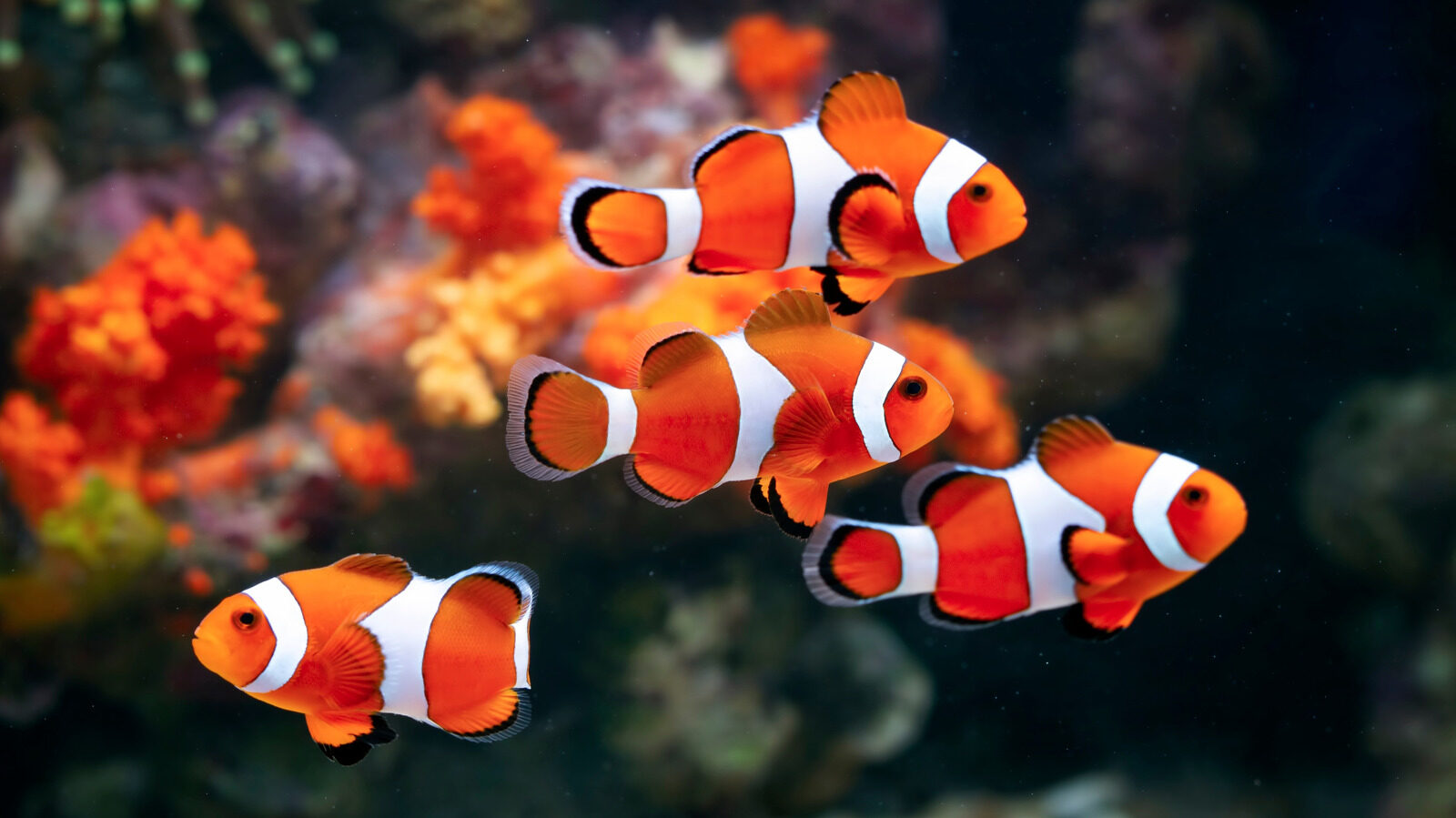

Have you ever wondered how fish manage their rest in the depths of the oceans, lakes, and rivers? Despite our tendency to think of sleep in a human context, aquatic creatures experience their own unique forms of rest. This article explores the fascinating ways in which fish and other marine animals sleep, revealing a world full of adaptations and surprising behaviors.
Understanding fish sleep: a unique form of rest
Fish, representing tens of thousands of species worldwide, exhibit diverse behaviors and adaptations that facilitate their need for rest. Unlike humans, fish do not completely lose awareness of their surroundings during sleep. Instead, they remain alert enough to detect potential threats, which is crucial for their survival in the wild.
When fish enter a resting state, several physiological changes occur:
- Metabolic slowdown: Their metabolic rates significantly decrease, conserving energy.
- Reduced swimming: Many species tend to stop swimming, allowing them to maintain buoyancy.
- Gills’ activity: The pumping of water through their gills lessens, indicating a state of rest.
Interestingly, different fish have developed unique strategies to rest effectively:
- Some fish simply float using their swim bladder, a gas-filled organ that helps them maintain stability in the water.
- Others seek shelter in coral reefs, plants, or rocky crevices to protect themselves from predators.
- A remarkable example is the parrotfish, which envelops itself in a mucus cocoon, providing a barrier against parasites and threats.
How sharks and marine mammals differ in their sleep patterns
Sharks, as apex predators, exhibit distinct sleep behaviors that reflect their unique physiology. Many species, including the great white shark, need to swim continuously to facilitate respiration. This necessity requires them to adopt innovative resting strategies:
- Some sharks will swim slowly against currents or hover in place, taking brief moments to rest.
- Species like the draughtsboard and Port Jackson sharks can rest on the ocean floor, often hiding in shallow caves or under rocks.
- Sharks often rest with their eyes partially or fully closed, showcasing their adaptation to the aquatic environment.
Meanwhile, marine mammals such as whales and dolphins take a different approach. Even though they are mammals, their sleep patterns contrast sharply with their fish counterparts:
- Whales and dolphins must surface for air, necessitating a unique method of sleeping in which only one hemisphere of their brain shuts down at a time.
- This allows them to remain alert for threats while also surfacing for air periodically.
- For example, dolphins might swim slowly, rest motionless at the surface, or even lie on the seabed while taking turns to rest each brain hemisphere.
Sperm whales have been observed resting vertically near the surface, a fascinating adaptation that allows them to rise easily for air while maintaining a level of awareness of their surroundings.
The sleep stages and circadian rhythms of ocean creatures
Research into the sleep behaviors of marine creatures has unveiled interesting parallels with terrestrial animals. Recent studies indicate that fish exhibit sleep stages that resemble the slow-wave and REM phases found in humans. A notable study published in Nature in 2019 focused on zebrafish, revealing that these small fish may offer insights into the evolution of sleep.
The findings indicated that:
- Zebrafish experience sleep stages similar to mammals, highlighting their shared evolutionary history.
- These fish have hormonal responses to sleep that are comparable to those of humans.
- Neural sleep signatures may have begun developing over 450 million years ago.
Moreover, various species exhibit circadian rhythms that dictate their sleep-wake cycles:
- Most aquarium fish typically sleep for around 7 to 12 hours a day, primarily during the night.
- Exceptions include species like eels and rays, which may have different sleeping patterns.
- Some sharks also appear to have circadian rhythms, but they take short naps lasting 10 minutes or less.
- Sperm whales often sleep in brief bursts of 10 to 15 minutes, showcasing a remarkable adaptation to their environment.
Adaptive strategies for survival during rest
Rest is essential for all creatures, including fish and marine mammals, but their adaptations illustrate the need for survival in a predator-rich environment. The diversity of sleeping strategies ensures that these animals can recuperate without compromising their safety:
- Floating in open water allows certain species to minimize energy expenditure while remaining alert.
- Burrowing into sand or coral provides physical protection from predators.
- Mucus cocoons, like those created by parrotfish, serve as an additional line of defense against threats.
These adaptations reveal a delicate balance between rest and vigilance that is vital for survival in the ocean’s dynamic ecosystem.
The importance of sleep for cognitive function
Just as sleep is crucial for humans, it plays a significant role in the cognitive and physical health of fish and marine mammals. Sleep helps to:
- Restore energy levels, allowing for better swimming and foraging efficiency.
- Support memory consolidation, which is essential for learning and adapting to changing environments.
- Facilitate immune system function, contributing to overall health and resilience against diseases.
Understanding the rest patterns of aquatic life can inform conservation efforts and highlight the intricate connections between behavior and habitat. As research continues to unveil the complexities of sleep in marine animals, it underscores the importance of preserving their ecosystems to ensure their survival and well-being.