
When we think of bats, the phrase “blind as a bat” often springs to mind, conjuring images of these creatures stumbling around in the dark. However, this common saying couldn’t be further from the truth. In reality, bats possess remarkable vision, often surpassing human capabilities in various aspects. Let’s dive into the fascinating world of bats and uncover the truth behind their eyesight.
Debunking the myth: bats aren’t blind
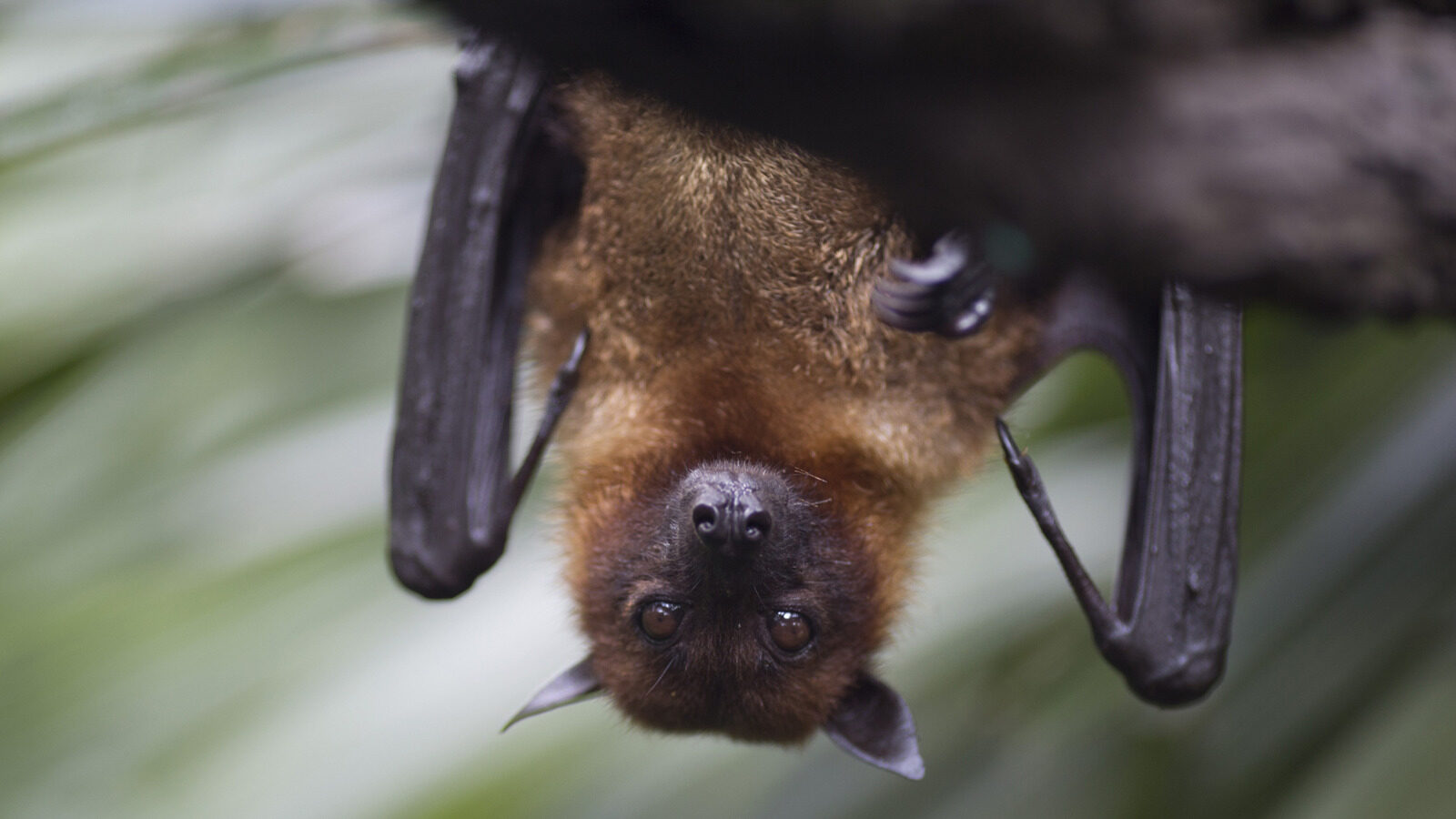
The expression “blind as a bat” is frequently used to describe someone who is unable to see clearly. Yet, the irony is that none of the over 1,300 bat species are actually blind. While their eyes may be smaller and function differently than human eyes, they are fully capable of seeing. This misconception largely arises from the emphasis placed on their exceptional hearing abilities, particularly their use of echolocation.
Echolocation is a fascinating adaptation that allows bats to navigate and hunt in complete darkness. By emitting high-frequency sound waves, bats can detect objects around them as the sound waves bounce back, providing information about their surroundings. This ability is so finely tuned that they can even discern the size, shape, and texture of objects, making them highly efficient hunters.
Though echolocation is a powerful tool, it doesn’t render their eyesight obsolete. Bats utilize both their eyes and their ears to interact with the world around them. In fact, some species have visual adaptations that allow them to see better than humans in certain conditions.
Bats’ vision compared to human vision
While the quality of vision in bats varies by species, none are truly blind. Their eyes are specifically adapted for low-light environments, which is crucial since most bats are nocturnal. Bats often roost in dark places, such as caves, where their vision helps them navigate effectively.
Key differences in vision between bats and humans include:
- Photoreceptor Cells: Bats have a significantly higher density of rod cells in their retinas, which are responsible for vision in dim light. They possess between 300,000 and 800,000 rods per square millimeter, compared to the 150,000 rods per square millimeter found in humans.
- Color Perception: Many bat species are colorblind, particularly to blue wavelengths. However, some insectivorous bats can perceive ultraviolet light, which is invisible to humans. This ability can aid in locating certain insects that reflect UV light.
- Low-Light Adaptation: Bats have evolved to see well in dark conditions, allowing them to thrive during the night when most of their predators and competitors are inactive.
Unique adaptations for nocturnal life
Given their nocturnal lifestyle, bats have developed several intriguing adaptations that enhance their vision and overall survival:
- Large Cornea: Bats often have larger corneas relative to their eye size, which helps them gather more light in dark environments.
- Tapetum Lucidum: This reflective layer behind the retina improves their night vision by reflecting light that passes through the retina back into the light-sensitive cells, allowing them to see better in low-light situations.
- Movement Detection: Some bats are particularly adept at detecting movement, which is crucial for hunting insects in flight.
Why the myth persists
The enduring myth that bats are blind can be attributed to a combination of cultural references and misunderstandings about their biology. Popular phrases and media portrayals often amplify misconceptions, overshadowing the impressive traits that these creatures possess. Here are some reasons why this myth has persisted:
- Cultural Expressions: Phrases like “blind as a bat” permeate our language, reinforcing the stereotype without any factual basis.
- Focus on Echolocation: The fascination with echolocation leads many to overlook the fact that bats also rely on their vision, creating an imbalance in public knowledge.
- Visual Limitations: The size and structure of bat eyes differ from those of humans, leading to assumptions about their capabilities.
The role of bats in ecosystems
Bats play a crucial role in various ecosystems, contributing significantly to pest control, pollination, and seed dispersal. Their ability to consume large quantities of insects, including agricultural pests, can save farmers millions of dollars. In addition:
- Pollinators: Some bat species are essential pollinators for nocturnal flowers, helping to fertilize plants that would otherwise remain unpollinated.
- Seed Dispersers: Bats aid in the dispersal of seeds for various plants, which is vital for forest regeneration and maintaining biodiversity.
- Indicators of Ecosystem Health: As sensitive creatures, bats can serve as indicators of the overall health of an ecosystem, highlighting the impacts of environmental changes and habitat loss.
Conclusion on bats’ vision and ecological importance
Understanding the truth about bats and their vision not only dispels longstanding myths but also highlights their ecological significance. Through their remarkable adaptations, bats demonstrate the incredible diversity of life in our world. As we learn more about these fascinating creatures, we can appreciate the vital roles they play in maintaining healthy ecosystems and the intricate balance of nature.