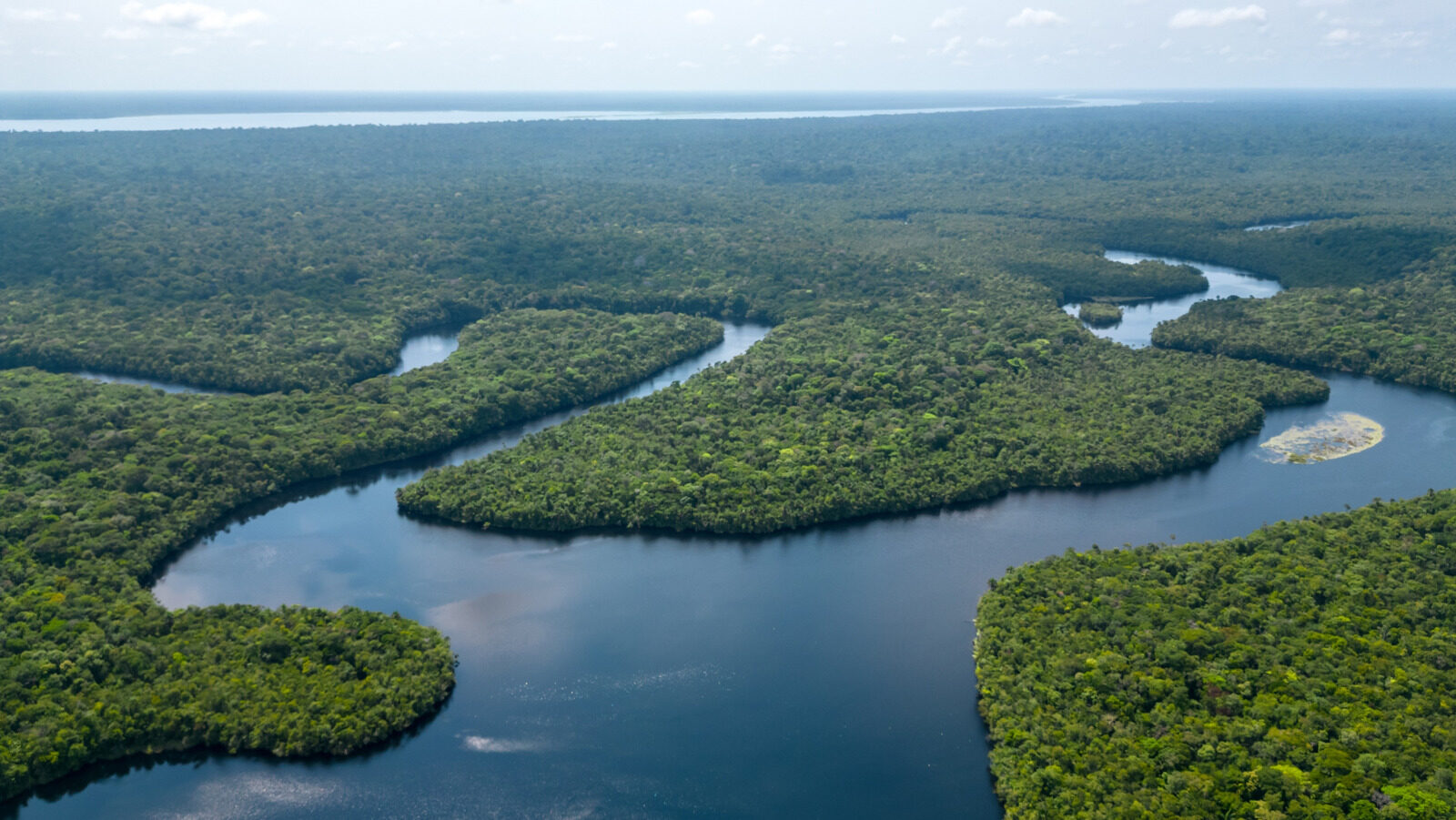
Rivers are among the most dynamic features of our planet, constantly reshaping the landscape and influencing ecosystems. The phenomenon of rivers splitting, known scientifically as bifurcation, is a captivating aspect that has intrigued scientists for over a century. Recent research sheds light on why and how certain rivers divide into multiple channels, revealing a complex interplay of geological and environmental factors.
Understanding river bifurcation and its significance
River bifurcation refers to the process where a single channel splits into two or more separate channels. This interesting occurrence can be seen in famous rivers like the Rhine, the Mississippi, and the Torne in Sweden. Although bifurcation might seem like a straightforward occurrence, the underlying mechanisms are intricate and have puzzled researchers for many years.
Historically, scientists have struggled to pinpoint the exact conditions that lead to bifurcation. However, a groundbreaking study from the University of California, Santa Barbara, has provided valuable insights. By examining nearly four decades of satellite imagery and geological data from 84 different rivers, researchers discovered crucial factors that contribute to this phenomenon.
According to the study’s lead author, Austin Chadwick, bifurcation occurs when the erosion of one riverbank exceeds the deposition of sediment on the opposite bank. This imbalance causes the river to widen over time, ultimately resulting in the formation of two distinct channels. Understanding this process is essential not only for ecological studies but also for managing river systems effectively.
The erosion imbalance that causes a river to split
Rivers are not static; they are constantly evolving due to the forces of nature. As they flow, rivers erode the landscape and transport sediments downstream. This interaction between erosion and sediment deposition is critical in determining a river’s pathway. When these two processes are balanced, rivers tend to maintain a consistent width and form a single channel.
For instance, the Amazon River, stretching over 4,000 miles, showcases this balance. Throughout its journey, it absorbs numerous smaller streams, yet it primarily remains a single-thread river. This stability results from a proportional relationship between erosion and deposition—both processes work in harmony to maintain the river’s flow.
However, when erosion accelerates and deposits become imbalanced, bifurcation can occur. Initially, increased erosion widens the river as sediments are removed from the banks. Instead of being deposited downstream, these sediments start to accumulate in the middle of the riverbed. Over time, these deposits can rise above the water’s surface, leading to the formation of multiple channels. If these channels diverge and do not reconnect, a true bifurcation occurs.
- Increased erosion can be triggered by factors such as heavy rainfall or altered land use.
- Deposits in the riverbed can create islands, which may rejoin the main flow or lead to permanent splits.
- Understanding this process helps in predicting the future of river systems and their ecological health.
Human impact on river dynamics
While rivers naturally change and evolve over time, human activities can accelerate these processes significantly. Dams, urbanization, and agricultural practices have profound effects on river pathways and health. For example, hydroelectric dams can dramatically alter water flow, affecting not just the river’s structure but also the surrounding ecosystems.
When dams are built, they often lead to a reduction in water levels downstream. This change can dry up smaller channels within a multi-thread river, ultimately transforming it into a single-thread river. The Mississippi Delta is a prime example of how human intervention can lead to significant land loss and ecological disruption.
Additionally, seasonal changes in precipitation can create temporary splits in river channels. As water levels rise and fall, rivers may form new paths that are abandoned as conditions change. This constant flux highlights the delicate balance between natural processes and human influence.
Using research to restore river ecosystems
As we gain more understanding of river dynamics, this knowledge can be leveraged to improve river restoration projects. The insights from the University of California study suggest that multi-thread river systems can reestablish themselves more quickly and with less space compared to single-thread systems. This information is pivotal for environmental restoration efforts.
Restoration projects that aim to rehabilitate damaged ecosystems can benefit from recognizing the significance of erosion and deposition in shaping river systems. Effective strategies could include:
- Reintroducing natural sediment flow to mimic pre-disturbance conditions.
- Removing obstructions that alter natural flow patterns.
- Restoring native vegetation along riverbanks to stabilize soil and reduce erosion.
By applying these strategies, we can enhance the resilience of river systems and maintain their ecological integrity. The more we understand the interplay between erosion and sediment deposition, the better we can manage our impact on these vital natural resources.
The future of river research and management
The ongoing exploration of river dynamics offers exciting possibilities for both science and environmental stewardship. As researchers continue to study the conditions that lead to bifurcation, they will likely uncover additional insights that can reshape our understanding of river systems. Moreover, these findings will be critical for developing strategies to mitigate the adverse effects of human activities on rivers.
Ultimately, comprehending the complexities of river bifurcation and the factors influencing it is essential for sustaining our planet’s ecosystems. By integrating scientific research into practical management, we can foster healthier rivers that benefit both nature and humanity.