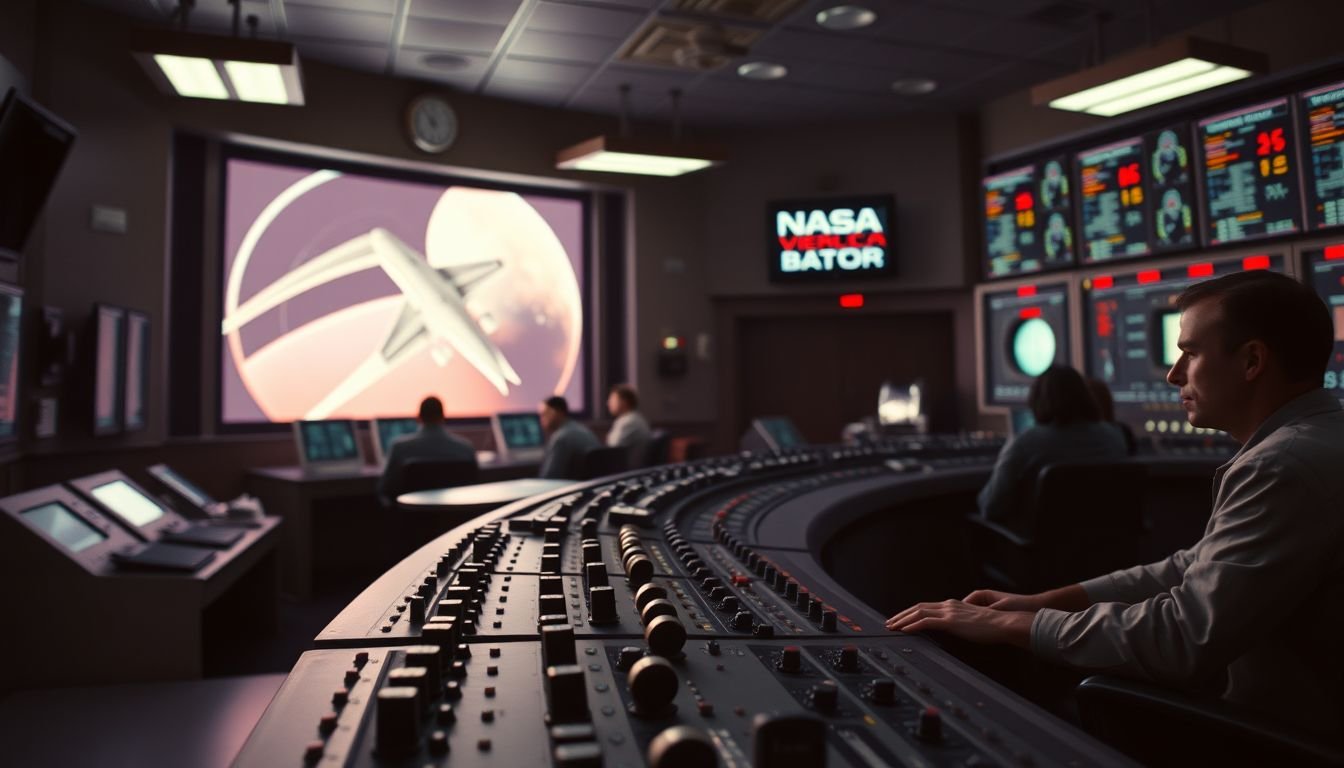

On November 14, 1969, the Apollo 12 lunar mission narrowly avoided disaster when lightning struck the spacecraft twice shortly after liftoff. The first strike occurred 36.5 seconds into the launch, followed by a second strike 16 seconds later. These electrical discharges severely disrupted the craft’s electronics, triggering numerous warning lights in the command module and sending erratic telemetry data to NASA’s Mission Control in Houston.
Electrical Impact and System Failures
The lightning strikes caused a significant drop in power, which interfered with the Signal Conditioning Electronics (SCE). This system is responsible for translating electrical signals into readable data for ground controllers. The power instability led to the following technical failures:
- Three of the spacecraft’s fuel cells went offline.
- Telemetry data became unintelligible to Mission Control.
- The vessel experienced a trajectory command issue, preventing it from reaching its intended heliocentric orbit.
The Role of John Aaron and the SCE to Aux Switch
Flight controller John Aaron, serving as the Electrical, Environmental Controls, and Communications system (EECOM) officer, recognized the telemetry patterns immediately. Approximately one year prior, Aaron had encountered a similar anomaly during test conditions and had identified the root cause as a vulnerability in the Signal Conditioning Electronics.
Based on this previous experience, Aaron instructed the crew to “Try SCE to Aux.” This command directed the lunar module pilot, Alan Bean, to flip a specific, obscure switch that rerouted the electronics to an auxiliary setting. This action bypassed the corrupted signal path, restoring normal operational parameters and allowing the mission to proceed.
Mission Outcome and Personnel
Despite the initial electrical crisis, the crew—consisting of Charles Conrad Jr., Richard Gordon Jr., and Alan Bean—successfully continued their journey. Conrad and Bean eventually became the third and fourth humans to walk on the moon, respectively.
John Aaron’s composure and technical foresight earned him the nickname “steely-eyed missile man.” He continued to serve in critical roles at Mission Control for subsequent missions, including the crisis management of Apollo 13.