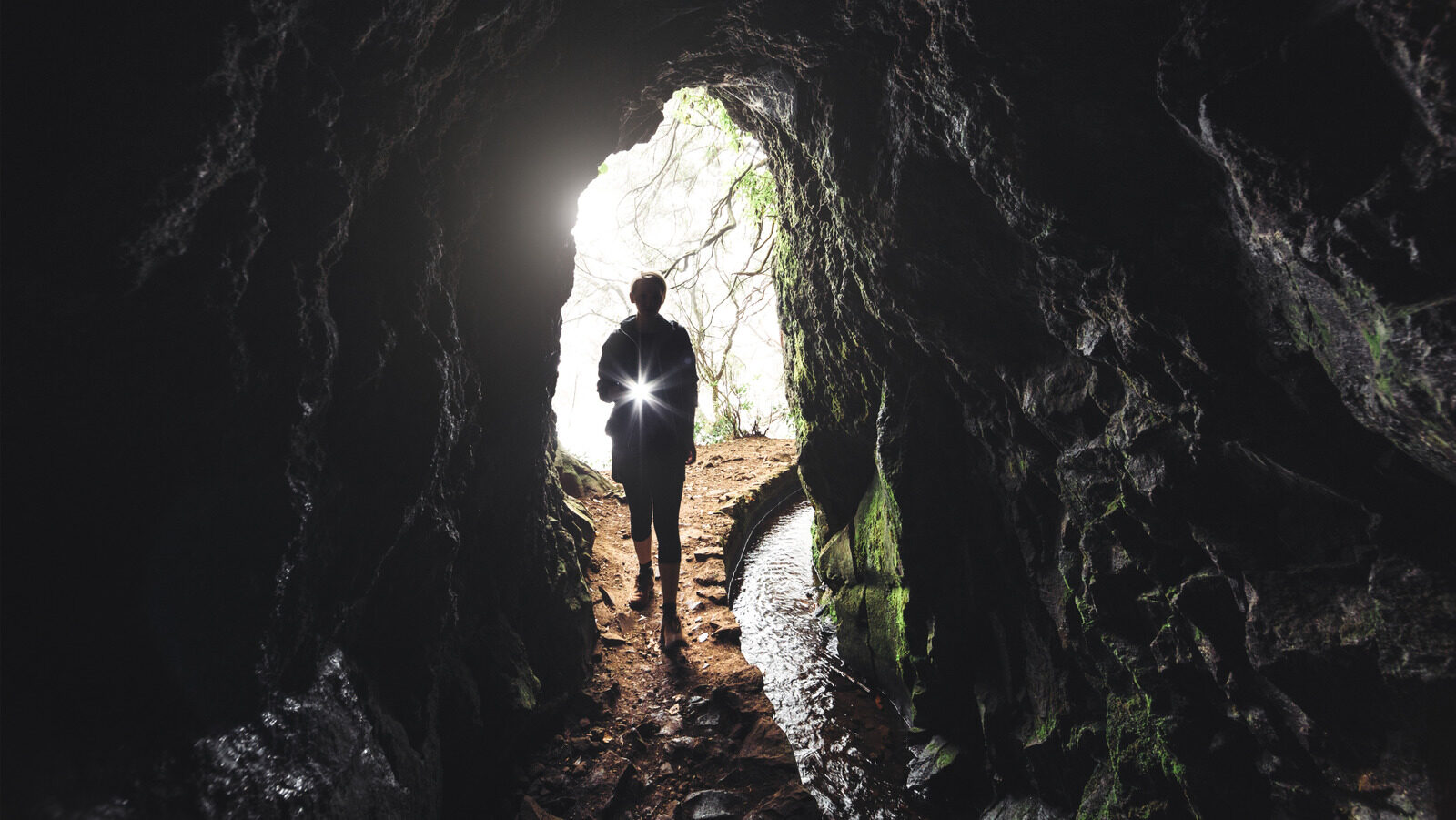

Caving can be a thrilling adventure, allowing explorers to discover the hidden wonders of the underground world. However, beneath the excitement lies a significant risk that many may overlook. This article delves into one of the most perilous dangers associated with caving—carbon dioxide (CO2). Understanding how it forms, its potential consequences, and the methods to detect its presence is crucial for anyone considering this underground endeavor.
Understanding how carbon dioxide forms in caves
The formation of carbon dioxide in caves is an intricate process tied to the natural cycles of the Earth. It begins when rainwater interacts with the atmosphere, absorbing CO2 present in the air. As the water seeps through the soil, it becomes acidic due to this absorption, leading to chemical reactions that erode limestone and other rocks. This erosion is what forms the caverns we explore today.
Interestingly, the soil above these caves can contain a significant amount of CO2, sometimes up to 12%. The process is ongoing; with each rainfall, more CO2 is funneled into the cave systems, perpetuating a cycle of buildup. Factors contributing to this accumulation include:
- Geological Composition: The type of rock can influence how much CO2 is generated.
- Organic Decay: The breakdown of plant matter in the soil produces CO2.
- Limited Airflow: Many caves have narrow passages that restrict air circulation, allowing CO2 to accumulate.
Furthermore, CO2 can also enter caves from external sources such as volcanic activity or human-induced emissions, compounding the risks for those who venture inside.
The hidden dangers of carbon dioxide accumulation
The presence of elevated levels of CO2 in caves poses serious risks to explorers. While we typically breathe air that contains a mere 0.036% CO2, concentrations above this level can have detrimental effects on human health. Here’s what you need to know:
- 1% CO2: Recognized as “foul air,” leading to discomfort and confusion.
- 2% CO2: Can cause metabolic disruptions, fatigue, and decreased cognitive function.
- 10% CO2: Immediate risk of unconsciousness, with fatal outcomes likely within minutes.
One tragic example of this threat occurred in 1959 at Peak Cavern, England. A young caver named Neil Moss became trapped in a narrow passage. The high levels of CO2 led to his disorientation, making it difficult for rescuers to assist him. Unfortunately, both Moss and some of his rescuers succumbed to the effects of foul air, highlighting the deadly potential of this gas in confined spaces.
Detecting foul air: The naked flame test
For those planning to explore caves, awareness of CO2 levels is essential. One practical method cavers use to gauge air quality is the naked flame test. This technique involves lighting a match, candle, or lighter to determine if the air is breathable:
- Matches and Candles: Will not ignite if oxygen levels drop below 15%.
- Butane Lighters: Extinguish at around 14.25% oxygen concentration.
- Carbide Lamps: Often used by cavers for consistent lighting, these lamps burn acetylene and can provide real-time feedback on air quality.
The naked flame test does not measure CO2 directly; rather, it indicates the absence of sufficient oxygen. If the flame fails to ignite or goes out, it’s a clear signal to exit the area and seek better ventilation.
Best practices for safe caving
To mitigate the risks associated with high CO2 levels while caving, consider the following safety guidelines:
- Research Before You Go: Investigate the cave’s history and known air quality issues.
- Be Prepared: Carry multiple sources of light, including matches and a reliable lamp.
- Buddy System: Always explore with a partner to ensure mutual safety and assistance.
- Listen to Your Body: If you experience shortness of breath or dizziness, exit the cave immediately.
- Stay Informed: Attend caving workshops or training sessions to learn about the potential hazards.
From understanding the formation of CO2 in caves to recognizing signs of foul air, caving enthusiasts can equip themselves with knowledge that enhances their adventure while prioritizing safety.