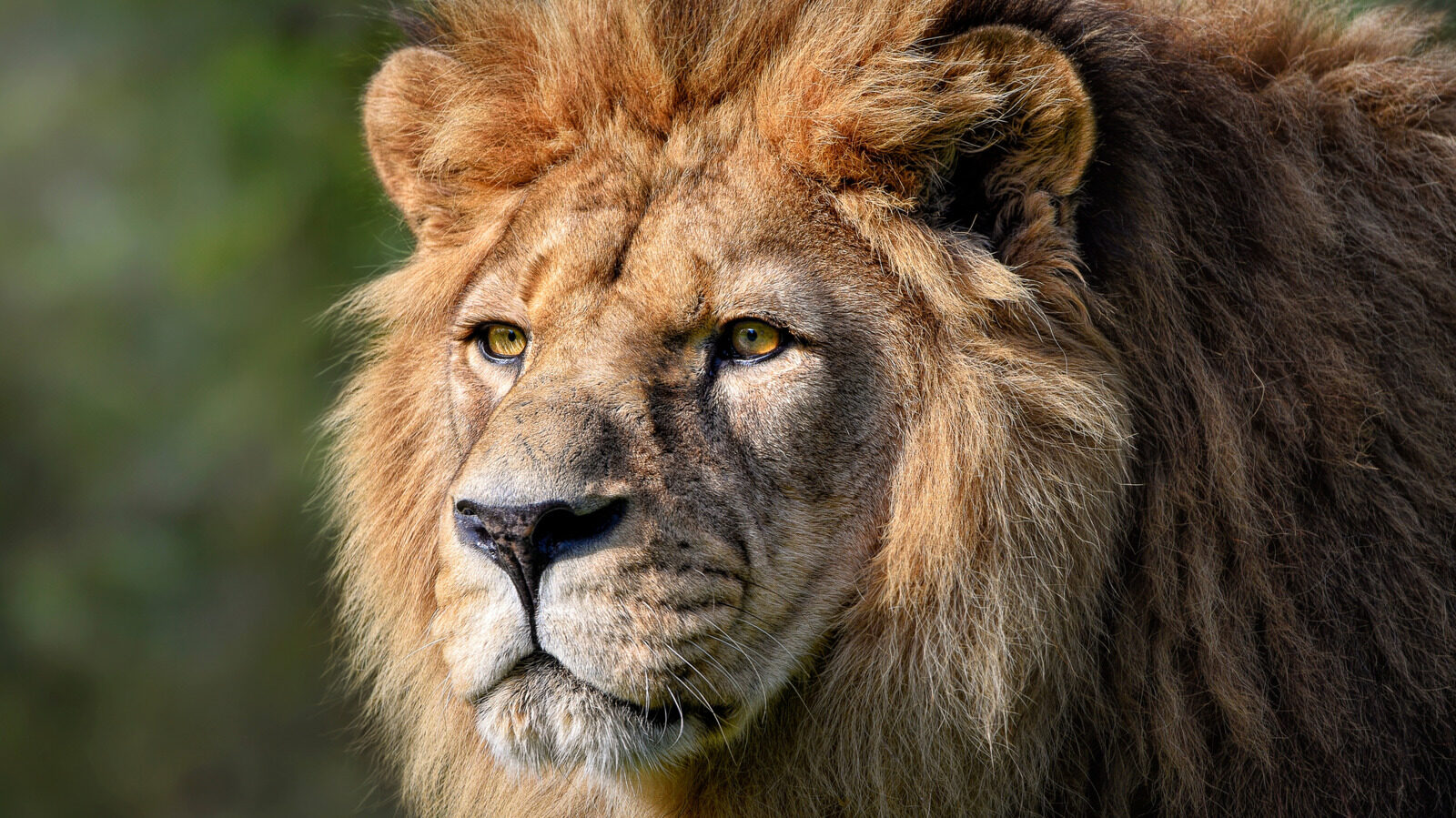

The Barbary lion, once a majestic symbol of North Africa, has tragically become a ghost of the past. This fascinating creature, once abundant in its habitat, now serves as a reminder of the impact human actions can have on wildlife. Understanding its story not only evokes compassion but also highlights the urgent need for wildlife conservation.
In this article, we will explore the historical abundance of the Barbary lion in North Africa, the factors contributing to its extinction, and the broader implications for current conservation efforts. The tale of the Barbary lion is not just about loss; it is a call to action to protect the wildlife that remains.
Barbary lions were once abundant in North Africa
The Barbary lion, scientifically known as Panthera leo barbaricus, was once a prominent inhabitant of the North African region, particularly in areas known as the Maghreb, which includes countries like Morocco, Algeria, and Tunisia. This majestic subspecies of lion was not only revered for its physical attributes but also played a significant role in the culture and history of the region.
Historically, there were 11 documented subspecies of lions, but today, only two remain. The Barbary lion was distinct from its African cousins, particularly in the appearance of males, whose manes were darker and more pronounced, extending further down their backs. They were known for their lean physique and were considered the largest of the lion subspecies.
- Physical Characteristics: Darker and more extensive manes compared to modern lions.
- Historical Significance: Used in gladiatorial games in the Roman Colosseum.
- Cultural Reverence: Kept by royal families in palaces across North Africa.
- Distribution: Roamed freely across North Africa until the late 19th century.
The Barbary lion’s presence was significant enough that it even found its way into royal collections, serving as a symbol of power and prestige. However, as time progressed, the fate of this noble creature began to take a dark turn.
The impact of human activity on Barbary lions
As civilization advanced, the Barbary lion faced increasing threats from human activity. The Romans were among the first to exploit these lions for entertainment, using them in the brutal spectacles of the Colosseum. Sadly, this was just the beginning of a long history of exploitation and extermination.
Throughout the centuries, various regions continued to hunt Barbary lions for sport, trade, and fear, leading to a drastic decline in their population. In places like Turkey, governmental bounties were placed on these animals, encouraging mass killings. The French colonial presence in Algeria also contributed significantly to their decline, as rewards were offered for the capture and killing of Barbary lions.
- Roman Exploitation: Brought Barbary lions to the Colosseum for entertainment.
- Bounties in Turkey: Government incentives led to widespread hunting.
- French Colonial Impact: Mass killings occurred in Algeria due to hunting rewards.
By the 19th century, the once-thriving population of Barbary lions became isolated in small groups across Morocco, Algeria, and Tunisia. The last confirmed sighting of a Barbary lion in the wild was reported in 1942, marking a poignant chapter in the history of this subspecies.
The final blows to the Barbary lion
The extinction of the Barbary lion cannot solely be attributed to hunting. Habitat destruction and environmental changes further exacerbated the crisis. The final blow was dealt during the French-Algerian War in the late 1950s, when the forests north of Setif, which had become the last refuge for the Barbary lion, were devastated.
This loss of habitat compounded the pressures of hunting and led to a critical decline in the already dwindling population. Despite occasional sightings into the 1960s, no confirmed evidence of surviving Barbary lions has been documented since then.
Lessons learned from the Barbary lion’s extinction
The sad tale of the Barbary lion serves as a stark reminder of the consequences of human actions on wildlife. It emphasizes the urgency of wildlife conservation and the need for effective measures to protect endangered species. The extinction of the Barbary lion could have been prevented with the proper awareness and actions taken in previous centuries.
Today, conservation efforts focus on protecting remaining lion populations and their habitats. Organizations around the world work tirelessly to raise awareness about the plight of big cats and advocate for stronger protections against poaching and habitat destruction.
- Awareness Campaigns: Educating the public about the importance of wildlife conservation.
- Habitat Protection: Creating and enforcing wildlife reserves to protect natural habitats.
- Anti-Poaching Efforts: Implementing strict laws and penalties to deter poaching activities.
- Community Involvement: Engaging local communities in conservation efforts to promote coexistence.
While we cannot bring back the Barbary lion, we can learn from its story to ensure that other species do not meet the same fate. The fight for wildlife is ongoing, and it requires the commitment of individuals, communities, and nations to make a difference.