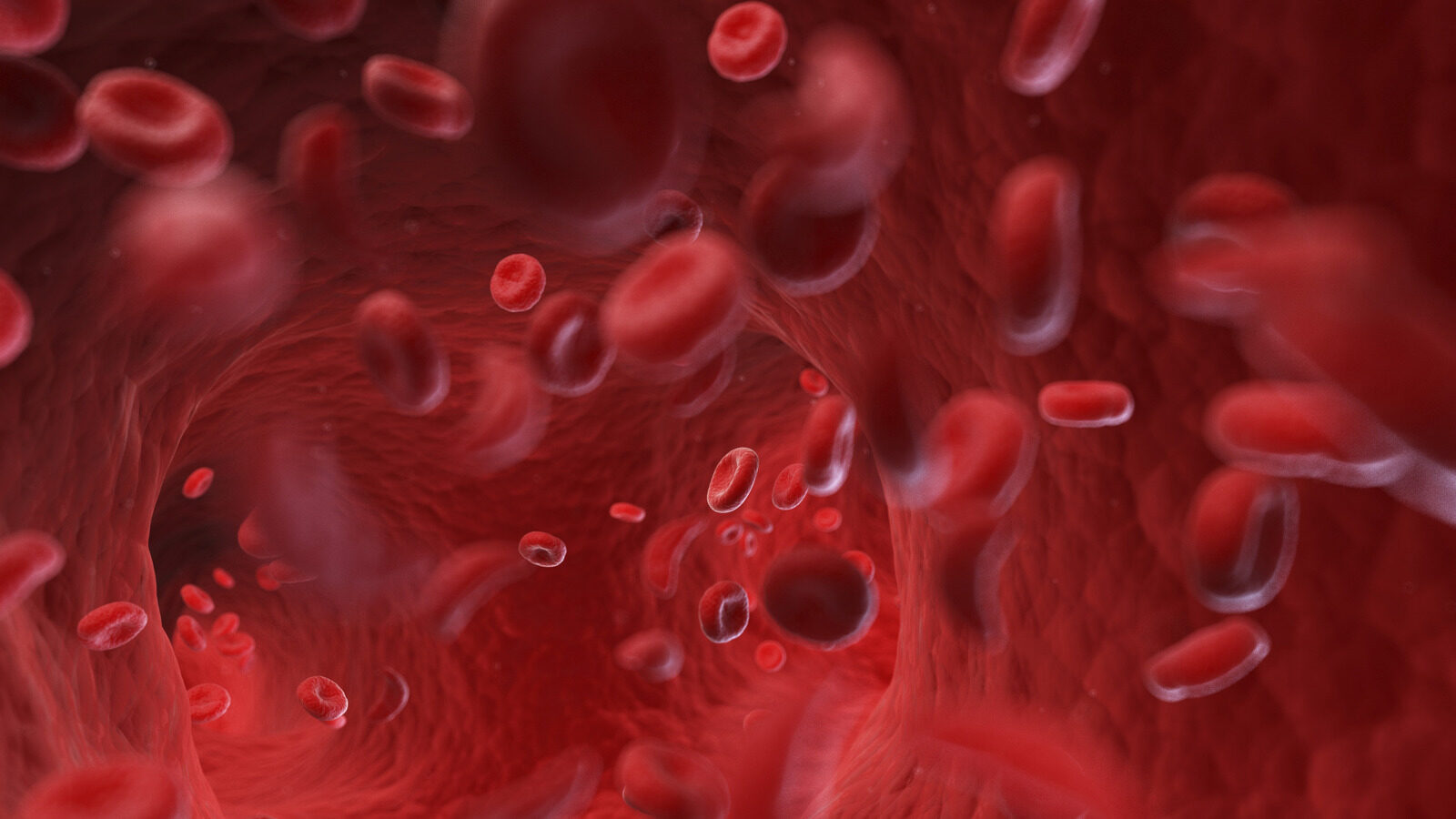
Understanding blood types is crucial not only for medical procedures but also for recognizing potential health risks associated with them. Recent studies highlight that individuals with type O blood may face unique challenges, particularly concerning trauma and severe bleeding. Let’s delve deeper into the implications of having type O blood and what it means for your health.
Understanding blood types and their significance
Blood type classification is an essential part of human biology, impacting everything from transfusions to organ donations. Before the 20th century, the notion that different blood types existed was largely unknown, leading to dangerous practices that sometimes ended in tragedy. Today, we categorize blood into eight primary types: O positive, O negative, A positive, A negative, B positive, B negative, AB positive, and AB negative.
Each blood group is defined by specific antigens present on the surface of red blood cells, which play a crucial role in how our immune system responds to foreign substances. The presence or absence of these antigens dictates compatibility for transfusions. Here’s a quick overview of blood type prevalence in the U.S.:
- O positive: 37.4%
- A positive: 35.7%
- B positive: 8.5%
- O negative: 6.6%
- A negative: 6.3%
- AB positive: 3.4%
- B negative: 1.5%
- AB negative: 0.6%
Our blood type doesn’t only determine transfusion compatibility; it also influences our susceptibility to certain diseases and conditions. Understanding these nuances can offer insights into personal health management.
The unique risks associated with type O blood
People with type O blood face specific health challenges, particularly in emergency situations. A significant study published in 2018 in Critical Care monitored trauma patients and found alarming results. Among 901 participants, those with type O blood had a starkly higher mortality rate compared to those with other blood types:
- 28% mortality rate for type O patients
- 11% mortality rate for patients with other blood types
When researchers adjusted for age and injury severity, they discovered that type O individuals were three times more likely to die from traumatic injuries. One major contributing factor to this disparity is their increased propensity for severe bleeding, which is often a leading cause of death in trauma cases. This finding aligns with earlier research published in Seminars in Thrombosis and Hemostasis, which indicated that type O blood is notably prevalent among bleeding patients.
In summary, individuals with type O blood not only face a higher risk of fatal outcomes in trauma situations but also have a greater likelihood of severe bleeding compared to others. This can be critical knowledge for those in high-risk professions or activities.
Type O blood and its relationship with bleeding disorders
The increased risk of severe bleeding among individuals with type O blood raises important questions about the underlying biological mechanisms. Blood clotting is a complex process that is influenced by various genetic and environmental factors. Those with type O blood may lack certain clotting factors or exhibit a different response to injuries, which can lead to excessive bleeding.
Research indicates that the body’s clotting response varies significantly between blood types. Type O individuals may have fewer clotting factors that promote coagulation, making them more vulnerable in traumatic situations. This has profound implications not only in emergency medicine but also in understanding chronic bleeding disorders.
Some notable points regarding type O blood and bleeding include:
- Type O individuals may have a higher incidence of hemorrhagic events.
- They often require careful monitoring during surgical procedures to manage bleeding risks.
- Their blood type could influence their recovery from injuries and surgeries.
The potential benefits of type O blood
While type O blood presents certain risks, it’s essential to recognize the advantages it brings as well. Research has shown that individuals with this blood type may be at a lower risk for developing blood clots compared to those with types A and B.
A study published in Circulation found that those with type O blood had a reduced risk of heart attacks during periods of high air pollution, highlighting their potential resilience in specific scenarios. Furthermore, another study conducted in 2020 indicated that type A and B individuals faced a higher risk of heart-related issues:
- 8% higher risk of heart attack
- 10% higher risk of heart failure
Moreover, type O individuals were found to be significantly less likely to develop deep vein thrombosis (DVT) and pulmonary embolism compared to their type A and B counterparts. DVT involves blood clots forming in deep veins, usually in the legs, while pulmonary embolism occurs when a clot travels to the lungs, obstructing blood flow.
Overall, the balance of risks and benefits presents a complex picture for those with type O blood, underscoring the need for personalized health strategies.
Implications for health management based on blood type
Given the unique challenges and advantages associated with type O blood, it’s crucial to consider tailored health management strategies. Here are key considerations for individuals with this blood type:
- Be proactive in monitoring health conditions, especially those related to bleeding.
- Discuss any concerns with healthcare providers, particularly before surgeries or invasive procedures.
- Engage in regular physical activity to promote overall cardiovascular health.
- Maintain a balanced diet rich in vitamins and nutrients to support immune function.
Understanding the implications of blood type can empower individuals to make informed decisions about their health and wellness, potentially improving outcomes in both routine and emergency medical situations.