
Have you ever noticed those peculiar growths on your potatoes and wondered what they are? While most of us simply discard them, understanding these growths can reveal fascinating insights into the biology of potatoes and their cultivation. This article will delve into the reasons behind these growths, their implications for health, and the best practices for handling potatoes.
Understanding the growths that emerge from potatoes
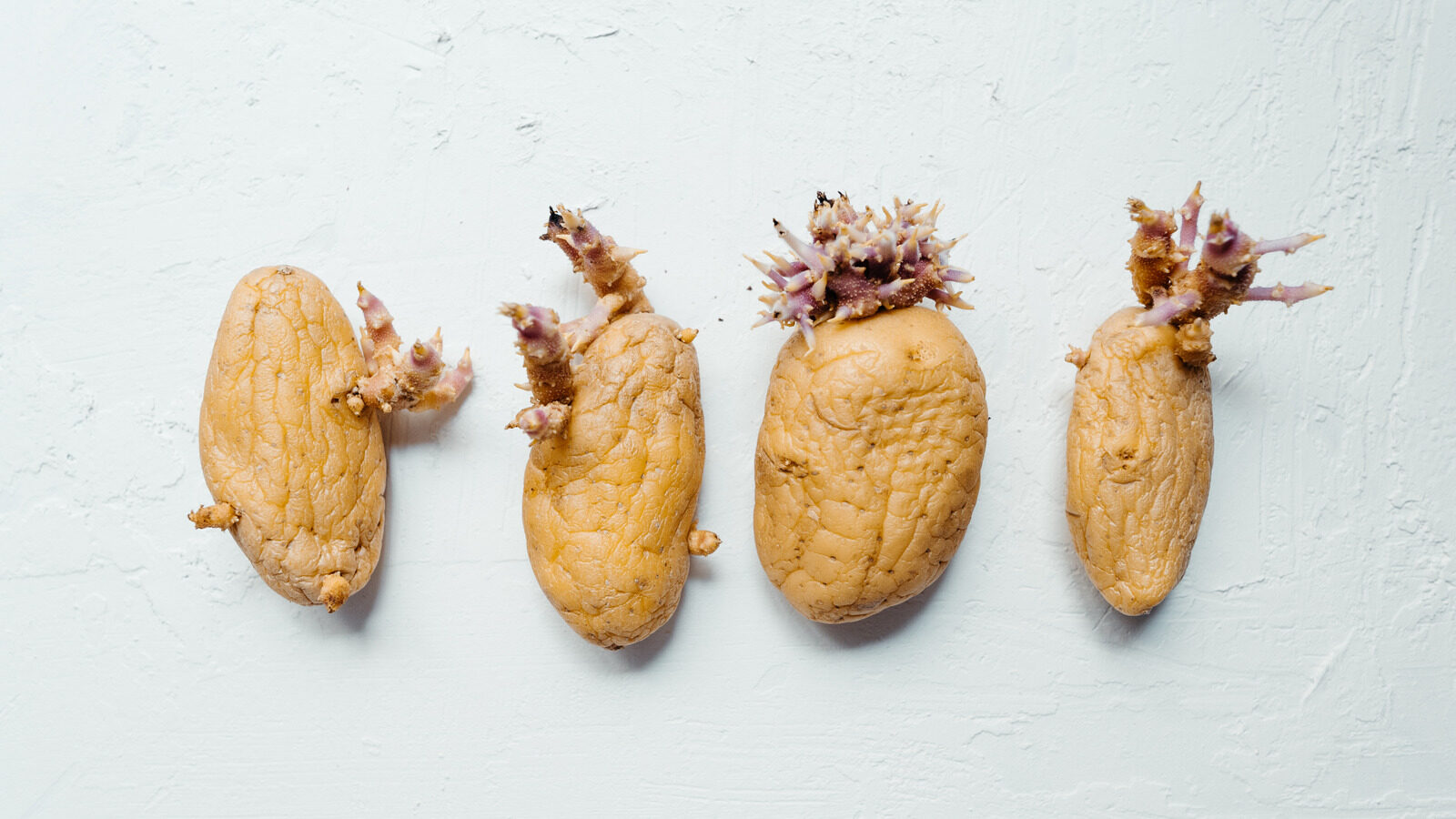
Potatoes are a vital food source globally, known for their versatility and nutritional benefits. When left in the right conditions, potatoes can sprout growths commonly referred to as “eyes.” These growths are part of the potato’s unique reproductive system, allowing them to propagate even in challenging environments.
Potatoes belong to a group of plants known as tubers. Unlike many plants that reproduce solely through seeds, tubers can generate new plants from their own tissues. This method of propagation offers a survival advantage, especially in conditions unsuitable for seed germination. The eyes of the potato are essentially dormant buds waiting for the right conditions to sprout into new plants.
The sprouting process occurs due to hormonal changes within the tuber. When the environment mimics the natural conditions of soil—warmth, darkness, and moisture—the hormones signal the buds to grow. Interestingly, potatoes can sprout even in low-light conditions, such as a pantry, as they contain all necessary nutrients to initiate growth.
What are those things that grow out of potatoes?
The growths on potatoes can take various forms, typically categorized into small sprouts or larger shoots. Here’s a closer look at what they are:
- Sprouts: Small, dark buds that emerge from the eyes of the potato.
- Stolons: These are elongated stems that emerge from the tuber and can grow into new plants.
- Roots: In some cases, roots may also develop from the tuber itself, aiding in nutrient uptake.
Each of these components plays a critical role in the potato’s ability to reproduce and thrive in various environments. The adaptability of potatoes is a testament to their evolutionary success.
Why you shouldn’t eat the things that grow out of potatoes
While potatoes are generally safe and nutritious, the growths that emerge from them can pose health risks. These growths contain natural toxins known as glycoalkaloids, which serve to protect the plant from pests and diseases. The primary glycoalkaloid found in potatoes is solanine, which can be harmful to humans in large quantities.
Common symptoms of glycoalkaloid poisoning can include:
- Diarrhea
- Vomiting
- Dizziness
- Fever
- Stomach cramps
Although the concentrations of these toxins are usually low, it is advisable to remove any sprouts or green parts of the potato before consumption. In extreme cases, especially for individuals sensitive to these compounds, even small amounts can trigger adverse reactions.
The role of glycoalkaloids in potatoes
Glycoalkaloids are not exclusive to potatoes; they are found in various plants within the nightshade family, which includes tomatoes, eggplants, and peppers. These compounds serve as a natural defense mechanism, deterring herbivores and insects from consuming the plant. Here’s a brief overview of how glycoalkaloids function:
- Defense Mechanism: They help protect against pests and diseases.
- Plant Survival: By producing these compounds, plants can survive in suboptimal conditions.
- Health Risks: In high concentrations, they can be toxic to humans and animals.
The presence of glycoalkaloids in potatoes explains why it’s essential to handle them with care, especially when they show signs of sprouting. Although cooking can reduce the levels of these toxins, it’s still wise to remove any visible growths before cooking.
Safe handling and preparation of potatoes
To enjoy potatoes safely, consider these best practices when handling and preparing them:
- Check for Sprouts: Always inspect your potatoes before use. Remove any sprouts or green areas.
- Store Properly: Keep potatoes in a cool, dark place to minimize sprouting.
- Cook Thoroughly: Cooking potatoes at high temperatures can help reduce glycoalkaloid levels.
- Choose Fresh Potatoes: Opt for firm potatoes without blemishes or extensive sprouting.
By following these guidelines, you can ensure that your potato dishes are both delicious and safe to consume.
Common misconceptions about potato growths
Many myths surround the growths that appear on potatoes. Here are some common misconceptions clarified:
- Myth 1: All sprouted potatoes are poisonous.
Fact: While sprouted potatoes can contain higher levels of glycoalkaloids, removing the sprouts can make them safe to eat. - Myth 2: Potatoes can only grow in soil.
Fact: Potatoes can sprout in various conditions, including water, due to their nutrient reserves. - Myth 3: Only green potatoes are toxic.
Fact: Any sprouted potato can contain glycoalkaloids, regardless of color.
Understanding these misconceptions can help consumers make informed decisions about potato consumption and preparation.
The fascinating history of the potato
The potato’s journey from the Andes to kitchens worldwide is a remarkable story of adaptation and survival. Introduced to Europe in the mid-16th century, it quickly became a staple food, vital for sustenance during times of famine and war. Its introduction was met with skepticism, leading to various misconceptions about its safety.
Notably, the potato’s introduction to Europe coincided with significant historical events, including:
- The Irish Potato Famine in the 19th century, which underscored the dangers of monoculture.
- The rise of agricultural practices that favored potatoes, leading to increased food security.
- The potato’s role in global trade, influencing diets and food systems.
Today, potatoes remain one of the most widely consumed vegetables globally, showcasing their resilience and adaptability throughout history.
Conclusion
In summary, the growths on potatoes, while often seen as a nuisance, offer a glimpse into the remarkable biology of this essential food source. Understanding these growths, their implications for health, and best practices for handling potatoes can enhance our appreciation for this versatile vegetable. By recognizing the importance of safe food practices and the historical significance of the potato, we can enjoy its many culinary possibilities while minimizing potential risks.