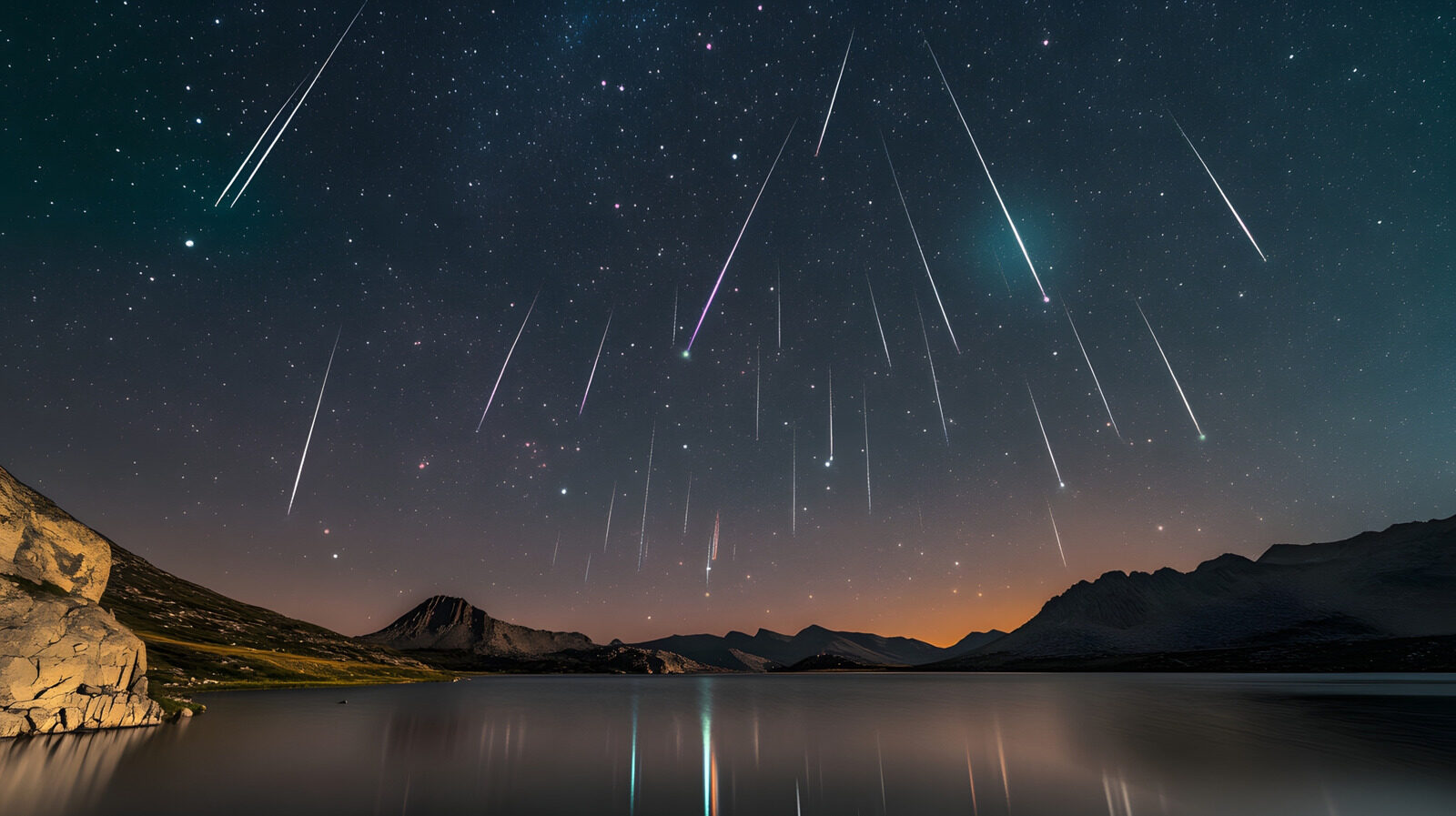
The cosmos never ceases to amaze, and one of the most anticipated celestial events of the year is just around the corner. The Perseid meteor shower, known for its breathtaking displays of shooting stars, will grace the night skies once again in 2025. As enthusiasts prepare to witness this cosmic spectacle, let’s dive deeper into what makes this event so special and how you can experience it to the fullest.
Understanding meteors, meteoroids, and meteorites
Before we delve into the specifics of the Perseid meteor shower, it’s essential to clarify some terminology. The terms meteors, meteoroids, and meteorites refer to different stages of space debris, each with unique characteristics.
- Meteoroids are small rocky or metallic bodies traveling through space. They are typically fragments of asteroids or comets.
- When these meteoroids enter the Earth’s atmosphere and burn up due to friction, they are referred to as meteors. This process creates the bright streaks of light we commonly call shooting stars.
- If a meteor survives its fiery descent and lands on Earth, it is classified as a meteorite. Fewer than 5% of meteors reach the ground intact.
The Perseid meteor shower is particularly renowned for its bright meteors, often producing fireballs that can illuminate the night sky. These meteors travel at astonishing speeds, averaging around 133,200 miles per hour, and can reach temperatures exceeding 3,000 degrees Fahrenheit upon atmospheric entry.
The cosmic origin of the Perseid meteor shower
The Perseids are associated with the comet Swift-Tuttle, which orbits the sun every 133 years. As this comet travels through the solar system, it sheds debris in its wake. Each summer, Earth passes through this trail of dust and rocky fragments, leading to the spectacular meteor shower. The next close approach of Swift-Tuttle will not occur until 2125, making the annual Perseid display a rare opportunity to witness the remnants of this massive comet.
During the peak of the meteor shower, viewers can expect to see an average of 100 meteors per hour, especially in the Northern Hemisphere. The meteors appear to radiate from the constellation Perseus, from which the shower gets its name.
Best viewing practices for the Perseid meteor shower
To truly enjoy the Perseid meteor shower, follow these tips to enhance your viewing experience:
- Find a dark location: Escape city lights and pollution by heading to a rural area or a national park. The darker the sky, the more meteors you’ll see.
- Check the weather: Clear skies are essential. Look for local forecasts to ensure you have the best conditions for viewing.
- Timing is everything: The peak viewing period typically occurs around mid-August, but in 2025, the peak will coincide with a bright full moon. To maximize visibility, aim to watch the meteor shower between July 18 and July 28, when the moonlight is less intrusive.
- Bring comfortable gear: Chairs, blankets, and snacks can make your viewing experience more enjoyable. Plan for a long night under the stars!
- Look towards Perseus: Position yourself so that you have a clear view of the constellation Perseus, where the meteors will appear to emanate.
Why 2025 may not be the best year for viewing
Despite the excitement surrounding the Perseid meteor shower, 2025 presents some challenges for optimal viewing. The full moon on August 9 will illuminate the night sky, obscuring many of the meteors that would typically be visible during the peak. This phenomenon means that avid stargazers may need to adjust their expectations this year.
Instead of aiming for the peak night, aim for the days shortly before and after, especially when the moon is less full. This will offer the best chance to see the meteor shower in all its glory. Remember, the Perseids are a recurring event, so if you miss out this year, there’s always next summer to look forward to!
The science behind meteors and their impact on Earth
While the idea of meteors soaring through the atmosphere may seem alarming, the reality is that the Earth is bombarded with space debris daily. In fact, estimates suggest that approximately 17 meteoroids enter the atmosphere every day. Fortunately, the Earth’s atmosphere acts as a shield, protecting us from the majority of these cosmic intruders.
Here are some key points regarding the interaction between meteors and our planet:
- Most meteoroids disintegrate before reaching the ground, creating stunning light displays.
- When a meteorite does reach the surface, it can provide valuable scientific information about the solar system.
- Historically, large impacts have played a role in shaping the Earth’s landscape and ecosystems.
Understanding these dynamics helps demystify the celestial show and highlights the importance of studying meteors and their origins.
Engaging with the Perseid meteor shower
For many, watching the Perseid meteor shower is not just about the science; it’s an experience that connects us with the cosmos. Here are some engaging ways to enhance your meteor shower experience:
- Host a viewing party: Gather friends and family for a night of stargazing, sharing snacks and stories under the stars.
- Document your experience: Take photos, keep a journal, or create a video of the event to capture your thoughts and feelings during this celestial phenomenon.
- Learn more about astronomy: Use apps or star charts to identify constellations and other celestial bodies while you wait for the meteors to appear.
Engaging with the Perseid meteor shower allows for both personal reflection and a deeper appreciation of the universe around us.