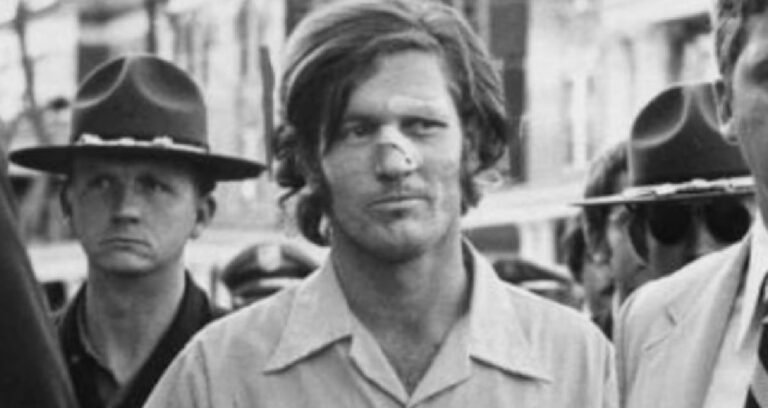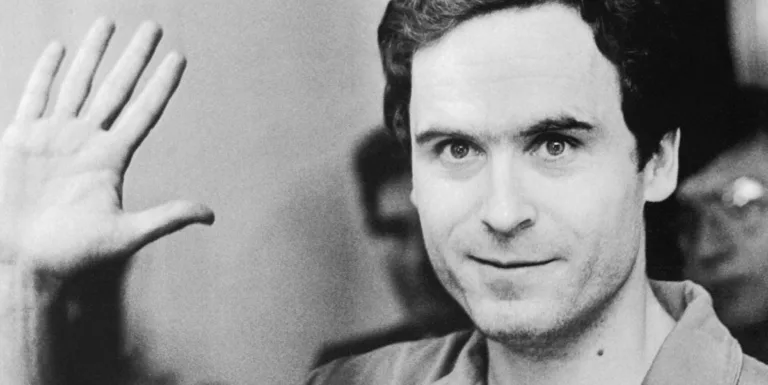

South America has been the site of some of the most prolific serial killings in history, often facilitated by systemic instability, urban poverty, and civil conflict. Two of the most notorious figures, Luis Alfredo Garavito and Pedro Lopez, targeted vulnerable children, committing hundreds of murders across Colombia, Ecuador, and Peru.
Luis Alfredo Garavito and the Colombian Conflict
Luis Alfredo Garavito operated primarily during the 1980s and 1990s in Colombia. His crimes coincided with the Colombian civil war, a period that left many children homeless and orphaned. These marginalized youth became primary targets for Garavito, who exploited their lack of social support systems.
Modus Operandi and Capture
Garavito typically employed deception to lure his victims, who were generally boys between the ages of six and sixteen. He often disguised himself as a priest or a farmer, offering the children cash in exchange for odd jobs. Once isolated, he subjected them to torture and sexual assault before killing them.
The scale of his crimes remained hidden for years because his victims were often street children whose disappearances went unreported. The Colombian authorities only discovered the extent of the killing spree in 1997 after the discovery of multiple mass graves.
Conviction and Victim Count
Following his trial in 1999, Garavito confessed to the murders of 140 children. However, investigators and estimates suggest the actual number of victims may exceed 300, potentially making him one of the deadliest serial killers globally.
Pedro Lopez the Monster of the Andes
Pedro Lopez, born in 1948, carried out a killing spree across several South American countries. His history of violence began early in life in Bogotá, where he experienced severe abuse and neglect. After serving time in prison for car theft, where he claimed to have committed his first murders against other inmates, Lopez began targeting young girls.
Geographic Reach and Crimes
Lopez operated in Colombia, Peru, and Ecuador, primarily targeting girls between the ages of nine and twelve. At the height of his activity, he claimed to have murdered as many as three girls per week. His crimes followed a pattern of sexual assault and murder, mirroring the abuse he had suffered as a child.
Arrest and Legal Outcome
Lopez was apprehended in Ecuador in 1979. Following his arrest, he led authorities to a mass grave containing the remains of 53 young girls. He ultimately claimed to have killed 300 or more victims, earning him the moniker “The Monster of the Andes.”
Due to the legal limitations regarding prison terms in Ecuador, Lopez served 20 years before being released in 1998. He was secretly returned to Colombia, and his current location remains unknown.
Comparative Impact of Social Factors
The cases of Garavito and Lopez highlight how specific social conditions can enable serial predators. The following factors contributed to the proliferation of their crimes:
- Urban Poverty: The high number of street children provided a pool of victims who were easily targeted and less likely to be missed.
- Political Instability: Civil unrest and war diverted police resources and attention away from missing children.
- Institutional Failures: In the case of Pedro Lopez, a failure by police to act on a report from a tribal settlement allowed him to continue killing.