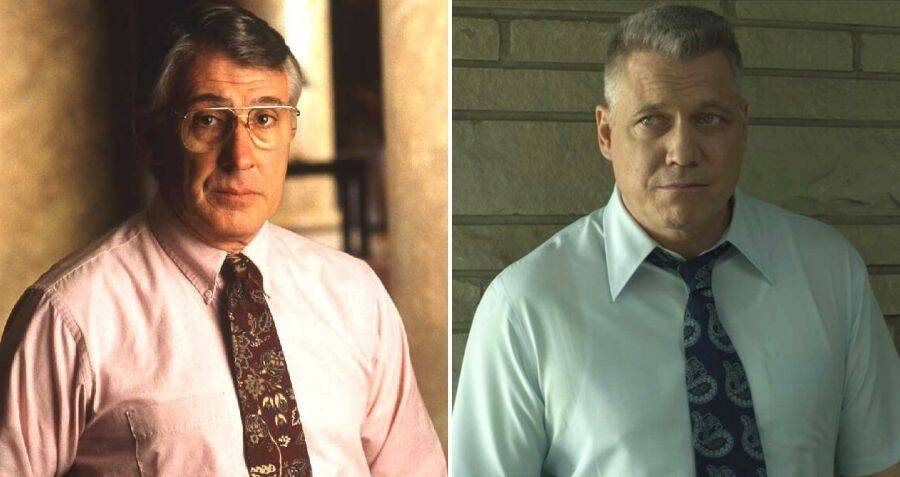
The world of criminal profiling might seem like something straight out of a movie, but it’s deeply rooted in reality. Think about it: how do investigators make sense of the seemingly senseless? How do they predict the next move of someone who operates outside the bounds of normal behavior? This is where figures like Robert Ressler come in.
Ressler, a former FBI agent, dedicated his life to understanding the minds of serial killers. He wasn’t just chasing them down; he was trying to understand their motivations, their patterns, their very essence. This led him to coin the term “serial killer” and establish the FBI’s Behavioral Science Unit, a groundbreaking initiative that revolutionized law enforcement’s approach to these complex crimes.
Ressler’s work wasn’t just about catching criminals; it was about saving lives. By developing profiles based on the backgrounds, motivations, and methods of notorious killers like Charles Manson, Richard Speck, and David Berkowitz, he provided investigators with invaluable insights that helped bring them to justice. His contributions even extended to creating ViCAP, a national database that connects unsolved cases based on behavioral patterns – a tool still used today by law enforcement agencies across the country.
Serial Killer Interviews & Profiling
Imagine sitting across from one of the most notorious criminals in history, trying to unravel their mind. That’s exactly what Ressler did countless times during his career. He wasn’t afraid to delve into the darkest corners of human psychology, spending hours interviewing killers like Ted Bundy and gleaning insights that would later become crucial in catching them.
These interviews weren’t just about extracting confessions; they were about understanding the “why” behind the horrific acts. Ressler believed that by analyzing a killer’s background, their motivations, and even their speech patterns, he could develop a profile – a blueprint of their mind that could help predict their future actions.
This approach to criminal profiling was revolutionary. It moved away from simply focusing on physical evidence and started to consider the psychological factors that drove these individuals. Robert Ressler, through his fearless mindhunter work, paved the way for modern-day criminal psychology and helped transform how law enforcement tackles serial killer cases.
The FBI’s Behavioral Science Unit
The FBI’s Behavioral Science Unit (BSU) might sound like something from a fictional crime drama, but it’s very real and its origins can be traced back to the brilliant work of Robert Ressler. He saw the need for a dedicated team within the FBI that could focus on understanding the minds of criminals, particularly serial killers. These weren’t your typical detectives; they were psychologists, sociologists, and experts in human behavior who could analyze crime scenes, interview suspects, and develop profiles that helped guide investigations.
Ressler’s vision was to create a unit that could provide law enforcement with a unique perspective – one that looked beyond the physical evidence and delved into the psychological motivations driving criminal behavior. He knew that by understanding what made these individuals tick, they could better predict their actions and ultimately bring them to justice.
The BSU became a critical resource for law enforcement agencies nationwide. Its expertise in behavioral analysis helped solve countless cases and revolutionized the way crimes were investigated. Ressler’s legacy lives on through the work of this dedicated unit, which continues to push the boundaries of criminal profiling and contribute to safer communities.
ViCAP: Connecting Unsolved Cases
Think of ViCAP as a giant puzzle where each unsolved case represents a piece. It’s a national database that connects cases based on behavioral patterns, aiming to reveal the bigger picture and uncover potential links between seemingly disparate crimes. This groundbreaking tool was another one of Robert Ressler’s brilliant ideas.
Before ViCAP, investigators often struggled to connect the dots between cases happening in different jurisdictions. With ViCAP, they could now search for similarities in modus operandi, victim selection, or other behavioral clues. It was a game-changer that allowed them to identify potential serial killers and bring closure to families who had been left in agonizing uncertainty. Imagine a detective working on a case where a woman is found murdered with her hands bound behind her back, only to discover through ViCAP that another similar case happened months earlier in a different state.
This kind of connection can be crucial in solving cold cases and preventing future tragedies by revealing patterns and identifying potential threats before they strike again. ViCAP stands as a testament to Ressler’s relentless pursuit of justice and his understanding that sometimes, the key to solving crime lies in connecting the seemingly unconnected.
Mindhunter & Pop Culture Influence
Robert Ressler’s groundbreaking work didn’t just impact law enforcement; it also captured the imagination of the public. His stories about interviewing notorious killers and developing criminal profiles became a source of fascination for true crime enthusiasts. This interest led to books like “Whoever Fights Monsters” which detailed his experiences and provided a glimpse into the dark world he navigated.
But perhaps the most significant impact on popular culture came with the Netflix series Mindhunter. The show, inspired by Ressler’s work and the history of the FBI’s Behavioral Science Unit, brought his story to life in a compelling and dramatic way. It shed light on the challenges of interviewing serial killers, the complexities of criminal profiling, and the dedication of these individuals who dedicate their lives to understanding the human mind at its darkest depths.
Mindhunter sparked renewed interest in Ressler’s work and inspired countless discussions about the nature of crime and the psychology behind it. It also helped normalize the concept of criminal profiling, making it a recognizable tool within popular culture and contributing to a greater understanding of how law enforcement uses behavioral analysis to solve crimes.
Ressler’s Enduring Legacy
Robert Ressler’s impact on criminal justice is undeniable. He didn’t just catch criminals; he changed the way we think about them. His relentless pursuit of understanding the minds of serial killers led to groundbreaking innovations like ViCAP and the FBI’s Behavioral Science Unit. These advancements continue to influence investigators today, helping them solve complex cases and prevent future tragedies.
Though Ressler retired from the FBI in 1994, his legacy lives on. His stories inspire countless books, documentaries, and even fictional shows like Mindhunter. He remains a revered figure in law enforcement circles, recognized as a pioneer who revolutionized the field of criminal profiling. His work serves as a reminder that sometimes, the key to solving crime lies not just in physical evidence, but in understanding the complex motivations and psychological drives behind human behavior.
Ressler’s dedication to justice and his belief that even the darkest minds could be understood continue to resonate with law enforcement professionals and the public alike. His contributions ensure that future generations will have the tools and knowledge to navigate the intricate world of criminal psychology and bring criminals to justice.