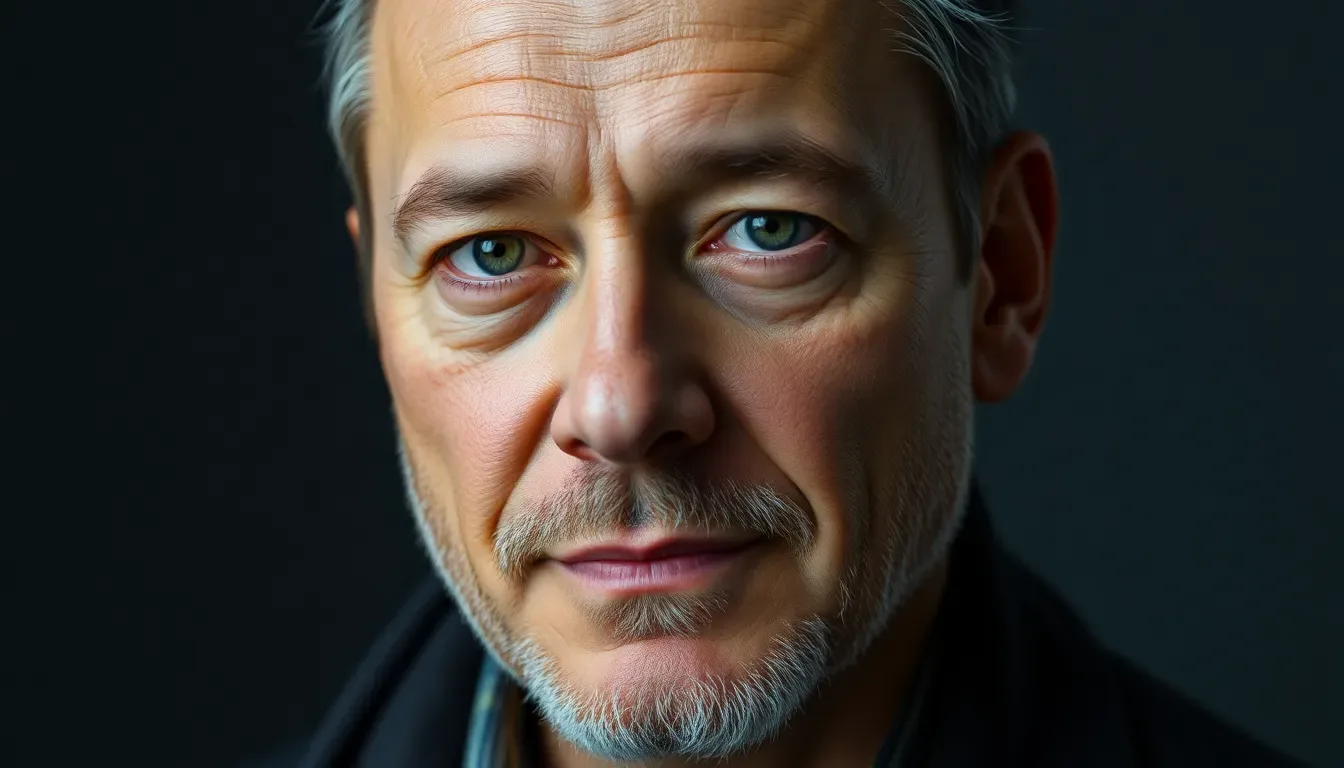

In an era where digital deception has reached unprecedented levels, the battle against deepfakes has become a formidable challenge. One prominent figure in this field, Hany Farid, has recently sounded the alarm about the growing sophistication of these technologies. His journey, marked by groundbreaking work in digital forensics, takes a dramatic turn as he confronts the limitations of his expertise in a world dominated by artificial intelligence.
The World of Deepfakes: An Overview
Deepfakes represent a significant technological advancement, enabling the creation of hyper-realistic videos that can manipulate reality. These videos leverage artificial intelligence to generate content that is virtually indistinguishable from real footage. The implications of deepfakes are profound, affecting everything from personal privacy to political discourse.
Hany Farid, a professor at the University of California, Berkeley, has dedicated over two decades to the study of digital forensics and the identification of manipulated media. His expertise has been vital in exposing deceptive videos, especially those used in political propaganda. However, as artificial intelligence evolves, the challenge of distinguishing between authentic and manipulated content becomes increasingly daunting.
The Evolution of Detection Techniques
Farid’s work has significantly contributed to the development of detection techniques aimed at identifying deepfakes. These methods include analyzing pixel inconsistencies, examining lighting discrepancies, and assessing audio-visual synchronization. Despite the advances in these techniques, Farid acknowledges that traditional methods are becoming less effective against modern deepfake technologies.
- Pixel Analysis: Involves scrutinizing image data for unnatural patterns.
- Lighting Examination: Checks for inconsistencies in shadows and reflections.
- Audio-Visual Sync: Evaluates the harmony between audio and visual elements.
As artificial intelligence continues to improve, these methods face obsolescence, leading experts like Farid to question their efficacy. The growing inability to differentiate authentic content from AI-generated media raises serious concerns about the reliability of information in today’s digital landscape.
Farid’s Personal Struggles with Deepfakes
Recently, Farid made headlines when he announced his decision to step away from his work in Silicon Valley. His resignation stems from a troubling realization: he can no longer confidently distinguish between genuine videos and those created by advanced AI tools. This personal struggle reflects a broader crisis in digital trust and authenticity.
Farid’s expertise was put to the test when he analyzed a viral video purportedly showing a missile strike in Iran. He meticulously examined each frame, considering factors like shadow geometry and sound delay, yet found no evidence of manipulation. This experience underscored the growing sophistication of deepfakes and the limitations of current detection methods.
The Threat of Misinformation
The proliferation of deepfakes poses a significant threat to societal trust and information integrity. Videos created with AI can easily go viral, leading to the rapid spread of misinformation. The ease of producing high-quality deepfakes raises several concerns:
- Identity Theft: The potential for misuse in impersonating individuals.
- Political Manipulation: The risk of creating false narratives during elections.
- Social Distrust: Erosion of public confidence in media and information.
As these technologies become more accessible, the challenge of verifying the authenticity of content will only intensify. The ramifications extend beyond individual cases, potentially destabilizing entire communities and eroding democratic processes.
Innovative Solutions to Combat Deepfakes
Faced with the problems posed by deepfakes, experts are exploring various solutions to enhance content verification. One promising avenue is the incorporation of invisible watermarks embedded in digital media. These watermarks serve as markers, indicating the authenticity of images and videos generated or altered by AI.
Several initiatives are emerging to standardize this approach:
- C2PA Coalition: A collaboration between tech giants like Google and Adobe to develop standards for identifying AI-generated content.
- SynthID: A Google project designed to “mark” content created with AI, providing a layer of security and authenticity verification.
These technologies aim to create a safer digital environment where users can trust the content they encounter. However, the widespread implementation of such measures remains a work in progress, and vigilance is necessary to keep pace with evolving threats.
The Psychological Impact of Deepfake Technology
Beyond the technical challenges, the emergence of deepfakes has profound psychological implications for society. As individuals become increasingly skeptical of the media they consume, a pervasive sense of paranoia can develop. Farid himself has expressed concerns about the psychological toll of living in a world where authenticity is constantly in question.
This psychological impact is not limited to experts like Farid; it extends to the general public, who may find it increasingly difficult to trust their own perceptions. As Farid aptly stated, “I feel like I’m going blind,” highlighting the emotional strain caused by the inability to discern reality from fabrication.
Looking Ahead: The Digital Authenticity
As we navigate this complex landscape of deepfakes and AI-generated content, the future of digital authenticity remains uncertain. The rapid advancement of technology necessitates a collective effort from technologists, policymakers, and the public to develop effective countermeasures against misinformation.
In conclusion, the battle against deepfakes is not just about technology; it is about preserving the integrity of information and fostering a culture of trust in digital media. As experts like Hany Farid continue to raise awareness about the challenges posed by deepfakes, society must remain vigilant and proactive in safeguarding the truth.