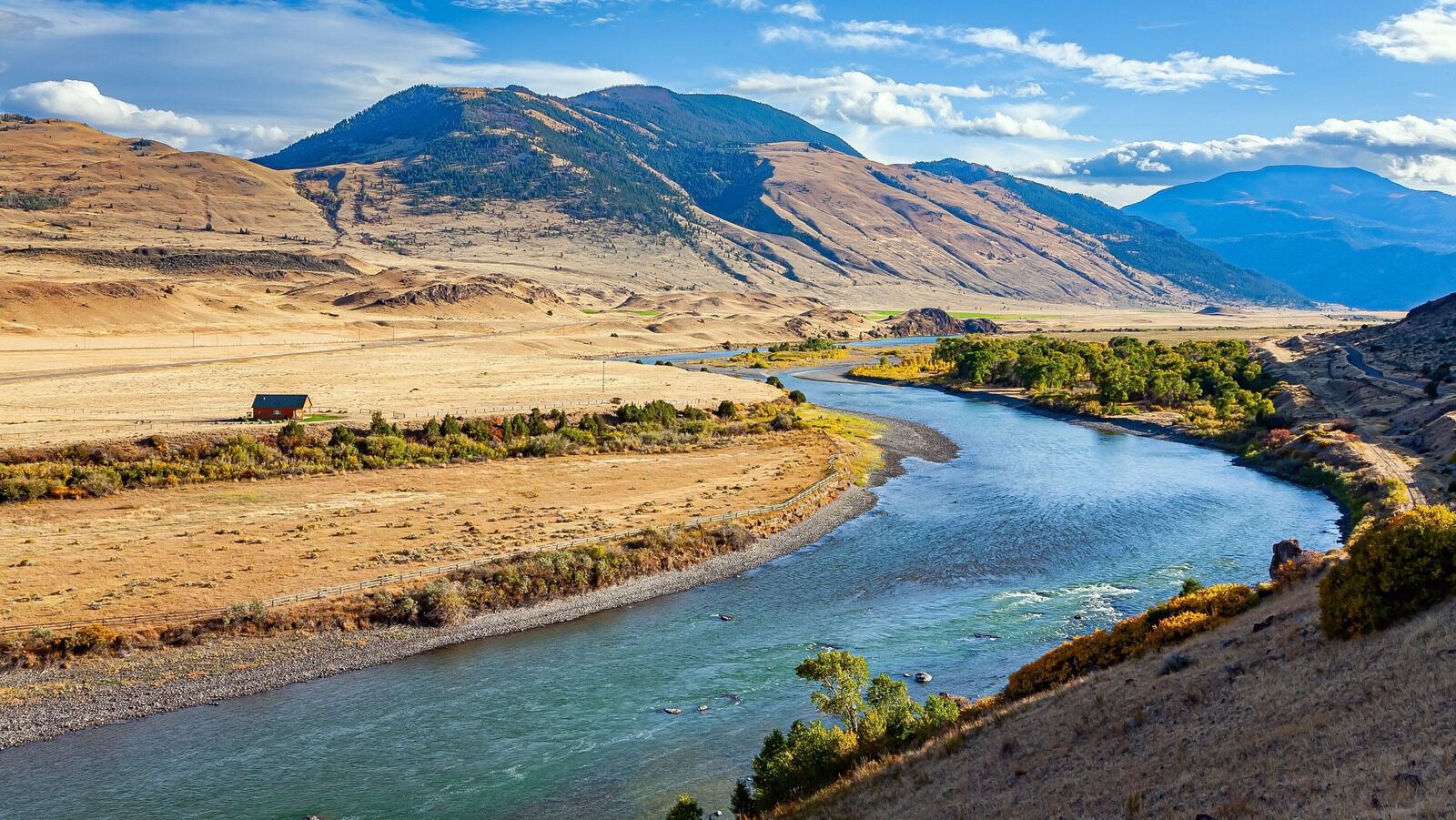
When we think of the longest rivers in the world, our minds often drift to the Amazon, Yangtze, and the Nile. However, there’s a hidden gem in the United States that ranks as the fourth longest river system globally: the Mississippi-Missouri-Red Rock River. This incredible waterway is not only a marvel of nature but also a vital artery of commerce and life, rich in history and biodiversity. Let’s explore the wonders and significance of this majestic river system.
The impressive length of the river system
The Mississippi-Missouri-Red Rock River system spans approximately 3,710 miles, making it one of the longest river systems in the world. This river system combines three major rivers: the Mississippi River, the Missouri River, and the Red Rock River. To put its length into perspective, the river system is nearly as long as the Yangtze River in China, which measures about 4,000 miles.
The Missouri River, which starts in Montana, flows more than 2,500 miles before converging with the Mississippi River in St. Louis, Missouri. Interestingly, while the Mississippi River is often recognized as the longest river in North America at 2,350 miles, the Missouri River surpasses it by approximately 100 miles.
Here’s a brief overview of the river system’s components:
- Mississippi River: 2,350 miles long, originating in Minnesota.
- Missouri River: Over 2,500 miles long, beginning in Montana.
- Red Rock River: A tributary that feeds into the Missouri River.
The Mississippi River: A Transportation Lifeline
The Mississippi River has played a crucial role in the transportation of goods across the United States for centuries. Indigenous tribes utilized the river to navigate and trade long before European settlers arrived. Today, the river remains a key commercial route for transporting various goods, including:
- Iron and steel
- Coal
- Oil
- Natural stone
This river system is also vital for wildlife migration. The area is well-known as the “Mississippi Flyaway,” serving as a major migratory route for over 325 species of birds, including cranes, ducks, geese, and songbirds. The importance of this river as a migratory path cannot be overstated, as it connects ecosystems and supports avian populations.
Historical significance of the river’s confluence
The confluence of the Mississippi and Missouri Rivers at St. Louis is not only a geographical meeting point but also a historical landmark. This site has been significant for centuries, serving as a trading hub for Indigenous peoples and a pivotal location for the Lewis and Clark expedition in the early 1800s.
Known as the Mississippi-Missouri Confluence, the area is rich in history, providing insights into early American exploration and trade. It’s also a popular destination for outdoor enthusiasts, offering hiking, birdwatching, and fishing opportunities. Some highlights include:
- The Lewis and Clark National Historic Trail
- Edward “Ted” and Pat Jones-Confluence Point State Park
- Rich wildlife viewing opportunities and historical context
Environmental challenges facing the river system
Despite its vital importance to the economy and ecology, the Mississippi-Missouri-Red Rock River system faces significant environmental threats. Human activities such as industrialization, agriculture, and urban development have led to serious pollution and habitat degradation. The river has been named the most endangered river in the U.S. due to factors including:
- Water pollution from industrial runoff and sewage
- Land development impacting natural habitats
- Agricultural runoff contributing to nutrient loading
- Climate change effects leading to altered water levels
These environmental challenges not only threaten the river’s health but also put at risk the wildlife that depends on this ecosystem, including fish, birds, and mammals. The interplay of erosion, flooding, and habitat loss creates a complex challenge for conservation efforts.
Diverse wildlife found along the river
The Mississippi-Missouri-Red Rock River system is a biodiversity hotspot, hosting a variety of species both in and around its waters. The river supports over 100 types of fish, along with numerous species of aquatic plants, birds, and mammals. Here are some notable residents:
- North American River Otter: Once nearly extinct, their population has rebounded thanks to improved water quality.
- Bald Eagles: Iconic symbols of American wildlife, often spotted along the river.
- Deer and Elk: Common in the surrounding areas, providing a glimpse of terrestrial wildlife.
- Amphibians and Reptiles: Numerous species thrive in the varied habitats along the riverbanks.
Visiting the river offers a unique opportunity to witness this diverse array of wildlife, making it a prime location for ecological research and environmental education.
The importance of the Mississippi Delta
The Mississippi Delta, located at the river’s mouth where it meets the Gulf of Mexico, is a crucial ecological and economic region. Stretching from New Orleans, Louisiana, to Memphis, Tennessee, the Delta encompasses over 3 million acres of wetlands, making it one of the nation’s largest wetland areas.
The Delta serves essential functions, including:
- Habitat: It provides a critical habitat for countless species, including fish, birds, and other wildlife.
- Flood Control: Wetlands act as natural barriers against flooding, absorbing excess water during heavy rains.
- Water Filtration: The wetlands help filter pollutants from the water before it reaches the Gulf.
- Economic Contributions: The Delta generates approximately $17 billion in tourism and supports over 300,000 jobs.
Given its importance, the Delta requires careful management to protect its ecosystems from degradation caused by human activities. Sustainable practices must be adopted to ensure the health of this vital region for future generations.
Protecting the river for future generations
Efforts to safeguard the Mississippi-Missouri-Red Rock River system are underway, focusing on conservation, pollution control, and habitat restoration. Various organizations, including American Rivers, are actively working to raise awareness and implement strategies to mitigate the environmental threats facing this river system.
To truly protect this vital natural resource, it’s essential for both individuals and communities to engage in conservation efforts. Some practical steps include:
- Participating in clean-up events along the riverbanks.
- Advocating for sustainable agricultural practices.
- Supporting policies aimed at reducing pollution.
- Educating others about the importance of river ecosystems.
By fostering a culture of environmental stewardship, we can help ensure that the Mississippi-Missouri-Red Rock River continues to thrive for generations to come.