
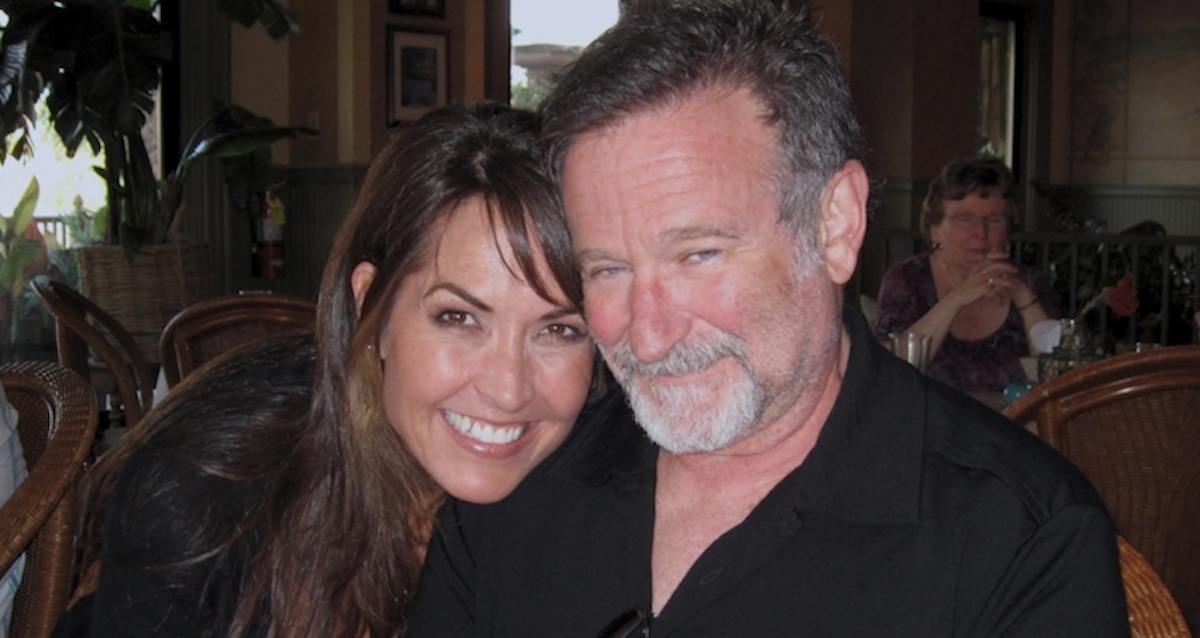

Imagine a world where the brilliant mind behind iconic characters like Mrs. Doubtfire and Genie in Aladdin is shrouded in a fog of confusion and despair. This was the reality for Robin Williams’s wife, Susan Schneider. They met in 2007, a chance encounter at an Apple Store that blossomed into love and marriage in 2011. But their seemingly idyllic life took a tragic turn when Robin began experiencing unsettling health challenges. Tremors, vision problems, and sleep disturbances plagued him, casting a shadow over their happiness.
Initially diagnosed with Parkinson’s disease, Robin’s symptoms escalated despite treatment. The vibrant actor seemed to be fading away, his energy replaced by an increasing sense of unease. Sadly, on August 11, 2014, the world was stunned by Robin Williams’s passing at the age of 63. An autopsy revealed a devastating truth: Robin had Lewy body dementia (LBD), a brain disease that had been undiagnosed throughout his struggle. This revelation sent shockwaves through the entertainment industry and beyond, highlighting the critical need for greater awareness about LBD.
Since then, Susan Schneider Williams, has become her late husband’s most passionate advocate. She tirelessly works to educate the public about LBD, a complex neurodegenerative disorder that often mimics other conditions. Through documentaries and speaking engagements, Susan shares Robin’s story, emphasizing that his depression was likely a symptom of LBD, not the root cause of his suicide. Her mission is clear: to shed light on this often misunderstood disease and ensure that others facing similar challenges receive the support they desperately need.
Early Life and Marriage
Before meeting Robin Williams, Susan Schneider led her own fascinating life. An accomplished filmmaker and businesswoman, she had a keen interest in technology and innovation. Her path crossed with Robin’s by chance at an Apple Store in 2007 – talk about a serendipitous encounter! They instantly connected over their shared love of learning and exploring new ideas. Little did they know that this seemingly ordinary meeting would blossom into a beautiful love story.
Their relationship blossomed quickly, and they tied the knot in 2011, solidifying their bond with a private ceremony surrounded by loved ones. Susan brought an artistic sensibility and grounded energy to Robin’s world, complementing his boundless enthusiasm and comedic brilliance. They were a captivating couple, often spotted together at events, both supporting each other’s passions and enjoying the simple pleasures of life.
Their shared journey took an unexpected turn when Robin began experiencing health issues. Although the challenges they faced later proved devastating, their early years together were filled with laughter, adventure, and a deep sense of connection – a testament to the power of love in even the most unpredictable circumstances.
Robin Williams’s Health Decline
As their life together unfolded, Robin Williams started experiencing unsettling changes. First came the tremors – seemingly minor shakes that disrupted his smooth movements on stage and screen. Then came the vision problems, causing him to occasionally stumble or misread lines. He also began struggling with restless sleep and debilitating fatigue, leaving him drained and disoriented even after seemingly adequate rest.
These symptoms were initially attributed to stress and exhaustion, common ailments for a high-profile actor juggling multiple projects. However, as time went on, the problems intensified, casting a shadow over Robin’s usually vibrant personality. He withdrew from social events, finding solace in solitude rather than his usual boisterous charm. His once infectious laughter seemed muted, replaced by an unsettling quietude that worried his loved ones deeply.
His doctors diagnosed him with Parkinson’s disease, a condition that affects movement and coordination. While medication initially offered some relief, the symptoms continued to worsen, defying conventional treatment protocols. This left Robin feeling increasingly frustrated and helpless, trapped in a body that no longer responded as it once did. Little did anyone know that the true culprit behind his struggles was an insidious brain disease – Lewy body dementia (LBD) – a diagnosis that would only come after his tragic passing.
Lewy Body Dementia Diagnosis
Robin Williams’s death sent shockwaves through the world, leaving fans and loved ones grappling with grief and disbelief. The official autopsy report revealed a devastating truth – Robin had died from suicide by hanging. But further examination uncovered an unexpected finding: his brain was riddled with Lewy bodies, abnormal protein deposits that are characteristic of Lewy body dementia (LBD). This revelation brought a new layer of complexity to Robin’s story, highlighting the unseen struggle he endured in his final years.
While Parkinson’s disease had initially been suspected, LBD proved to be a far more insidious and challenging diagnosis. This neurological disorder affects both thinking and movement, causing a range of symptoms including confusion, memory loss, visual hallucinations, and erratic behavior. It often mimics other conditions like Parkinson’s, Alzheimer’s, and even depression, making it difficult to diagnose accurately.
The discovery of LBD in Robin’s case shed light on the complexity of his health journey. It explained why his symptoms fluctuated so dramatically, why traditional treatments were ineffective, and why he ultimately lost his battle with this debilitating disease.
Advocacy for LBD Awareness
Since Robin’s passing, Susan Schneider Williams has dedicated her life to raising awareness about Lewy body dementia. She believes that open conversation and education are crucial in combating the stigma surrounding this often misunderstood disease. Susan tirelessly champions research initiatives, funding scientific breakthroughs that could lead to better treatments and ultimately a cure for LBD.
Her advocacy extends beyond the realm of science; she actively engages with patients and their families, offering support and understanding during difficult times. Through documentaries like “Robin’s Wish,” Susan shares Robin’s story in its entirety, emphasizing the importance of recognizing the signs and symptoms of LBD early on. She encourages individuals experiencing similar challenges to seek professional help and connect with others facing similar struggles.
Susan’s tireless efforts have made a significant impact, sparking conversations about LBD in homes, schools, and communities worldwide. By sharing Robin’s legacy, she hopes to empower those affected by this disease and inspire hope for a brighter future.
Understanding LBD and Depression
One of the most crucial aspects of Susan Schneider Williams’s advocacy is highlighting the connection between Lewy body dementia and depression. She passionately argues that Robin’s depression was a symptom of LBD, not the root cause of his suicide. This distinction is vital because it shifts our understanding of mental health challenges associated with neurodegenerative diseases.
Often, individuals struggling with LBD experience profound emotional distress, including feelings of hopelessness, despair, and worthlessness. These symptoms can be mistaken for clinical depression, leading to inadequate treatment and further suffering for those affected. Recognizing that these emotions stem from the underlying neurological condition is essential in providing appropriate care and support.
Susan emphasizes that treating LBD-associated depression requires a multi-faceted approach, addressing both the physical and emotional needs of patients. By understanding the complex interplay between LBD and mental health, we can move towards more compassionate and effective treatment strategies for those facing this challenging illness.