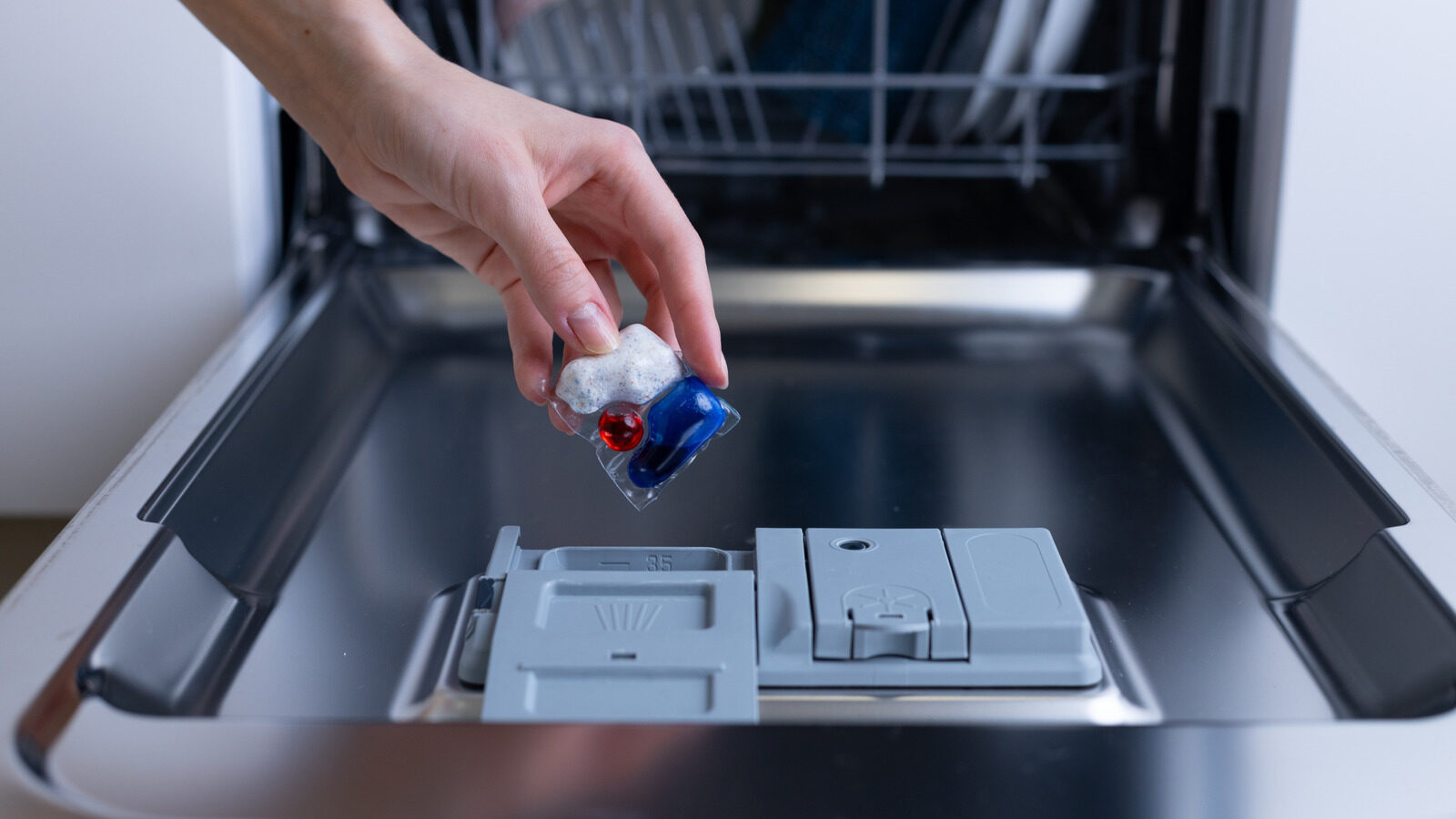
In the realm of household chores, dishwasher pods have emerged as a popular convenience, transforming the often tedious task of dishwashing into a simpler, more efficient process. Their compact design not only provides a precise dosage of detergent but also helps prevent wastage, which can lead to operational issues in dishwashers. However, despite their advantages, there’s been considerable debate surrounding the materials used in these pods, particularly the plastic film that encases them. Understanding what dishwasher pods are made of can clarify these concerns and help consumers make informed choices.
This article delves into the composition of dishwasher pods, addressing common misconceptions and providing clarity on the environmental implications of their use.
What are dishwasher pods made of?
Dishwasher pods are primarily composed of three main components: the detergent itself, the water-soluble film that encapsulates the detergent, and sometimes additional agents to enhance cleaning efficiency. The primary ingredient of the film is polyvinyl alcohol (PVA), a type of plastic that has unique properties setting it apart from traditional plastics.
Here’s a breakdown of the typical components found in most dishwasher pods:
- Detergent: The cleaning agent that removes food particles and grease.
- PVA film: The outer layer that dissolves in water, releasing the detergent.
- Enzymes: Biological catalysts that help break down proteins and starches.
- Surfactants: Agents that help improve the wetting properties of the solution.
- Fragrance and coloring agents: These are added for aesthetic purposes.
The environmental impact of PVA
The environmental implications of using materials like PVA in household products have sparked discussions among consumers. While PVA is designed to dissolve in water, concerns arise regarding its origins and the broader context of plastic pollution.
PVA is derived from petroleum, which raises questions about fossil fuel consumption and its environmental footprint. However, it’s essential to differentiate between PVA and other plastics that contribute significantly to environmental degradation.
PVA doesn’t dissolve into microplastics
One of the most pressing issues surrounding dishwasher pods is the fear of microplastics. These tiny particles, defined as plastic fragments smaller than 5 millimeters, are notorious for their persistence in the environment and potential health risks. However, it’s important to note that PVA does not break down into microplastics.
Here are some critical distinctions:
- PVA dissolves: Unlike conventional plastics, PVA dissolves in water, transforming into a liquid form that does not accumulate as solid particles.
- Biodegradability: Research indicates that certain grades of PVA can biodegrade in a matter of weeks, significantly faster than many traditional plastics.
- Wastewater treatment: Treatment facilities utilize microbes that can further break down PVA, ensuring minimal environmental impact.
Common misconceptions about PVA
Despite the benefits of PVA, misinformation has proliferated, particularly in consumer discussions and marketing campaigns by companies promoting alternatives to dishwasher pods. A notable example is Blueland, a brand advocating for film-free products, which has circulated alarming visuals and claims about the safety of PVA.
Some of these claims stem from a controversial study led by environmental researcher Charles Rolsky. This study suggested that a significant percentage of PVA remains in treated water, but lacked rigorous empirical backing and was ultimately withdrawn by the publishing journal due to methodological flaws.
What makes dishwasher pods a safer choice?
When evaluating the safety of dishwasher pods, several factors point to their relative safety compared to traditional detergents:
- Controlled dosage: Pods provide an exact amount of detergent, reducing the risk of overuse.
- Reduced spills: The encapsulated form minimizes the likelihood of spills and skin exposure.
- Less waste: The packaging reduces excess waste compared to liquid detergents.
Moreover, dishwasher pods are listed on the EPA’s Safer Choice guide, signifying their compliance with environmental safety standards.
The future of dishwasher pod technology
As environmental awareness continues to grow, manufacturers are under increasing pressure to innovate and improve the materials used in household products. Future developments may focus on:
- Alternative materials: Exploring biodegradable and renewable materials to replace petroleum-based plastics.
- Enhanced formulations: Developing more effective detergents that require less packaging.
- Sustainability practices: Implementing environmentally friendly production processes.
Conclusion
Dishwasher pods offer a blend of convenience and efficiency, making them a staple in many households. While concerns about their plastic content and environmental impact are valid, understanding the composition of these pods and the nature of PVA can alleviate many misconceptions. As the dialogue around sustainability evolves, consumers are encouraged to stay informed and consider both the benefits and challenges associated with these products.