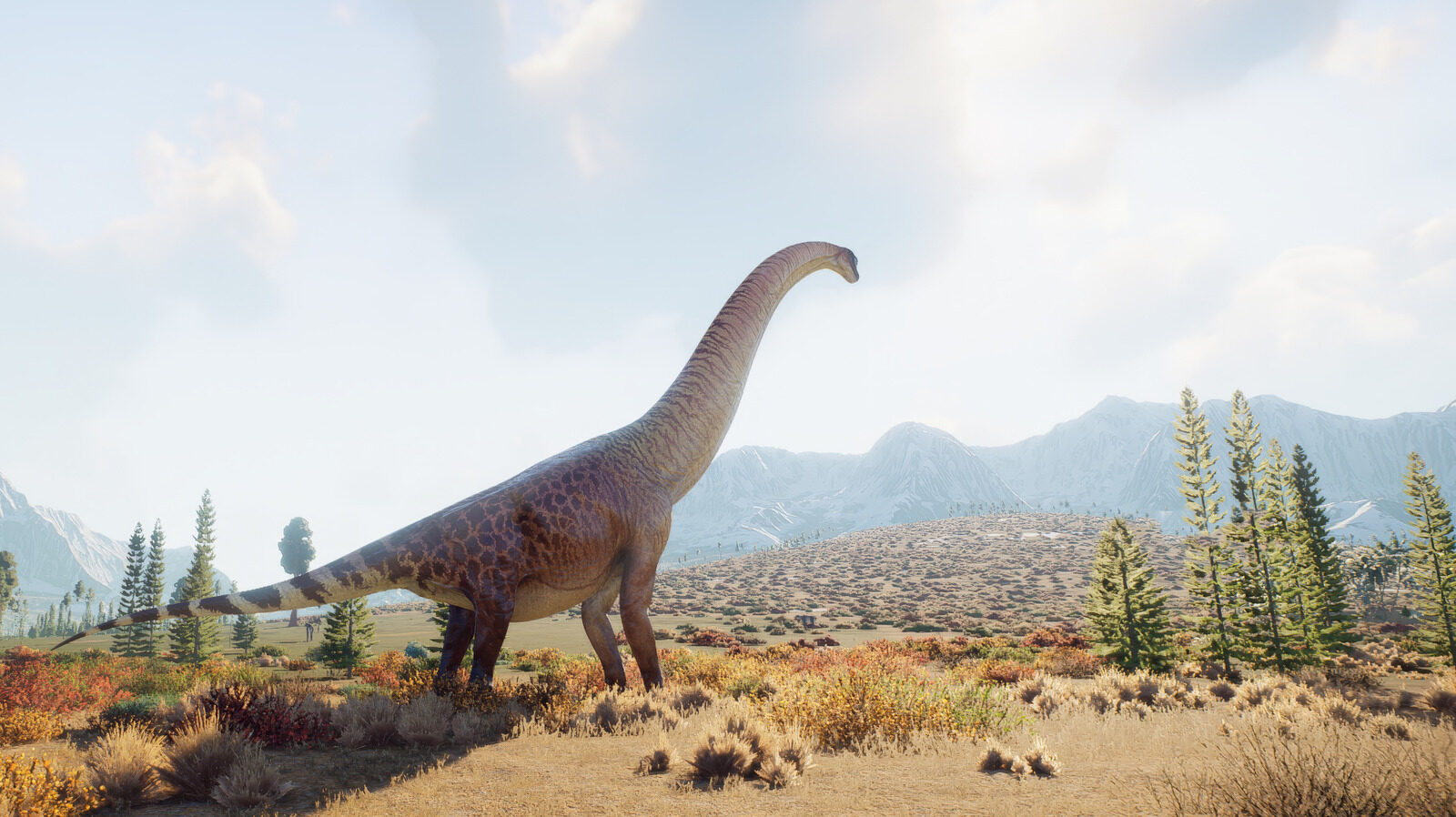
When we think about the majestic dinosaurs that roamed the Earth millions of years ago, the sauropods stand out for their impressive size and unique adaptations. Among the many fascinating aspects of these giant creatures is their unusual habit of swallowing stones. This behavior, which may seem peculiar at first, reveals much about their biology and the challenges they faced in digesting their herbivorous diet. Let’s delve into this captivating topic.
Understanding the role of gastroliths in sauropods
Sauropod dinosaurs, known for their enormous size, played a vital role in the prehistoric ecosystem. These long-necked giants might be best remembered for their impressive stature and massive tails, but they also had a unique approach to digestion. One of the most intriguing aspects of their feeding behavior was the ingestion of stones, known as gastroliths.
Gastroliths are stones that some animals, including sauropods, swallow to assist in breaking down tough food. In modern animals, such as birds and reptiles, the process involves using these stones in their stomachs to help grind food, much like a mill. This behavior is particularly important for species that consume fibrous plant material because it aids in the digestion of tough cell walls.
- Sauropods could consume up to 75 pounds of plant matter daily.
- Modern animals that use gastroliths include certain birds and reptiles.
- The stones help to break down food in a process referred to as a “gastric mill.”
This unique adaptation suggests that sauropods had to rely on their digestive systems creatively to process the vast amounts of vegetation they consumed. However, their dentition indicates that they did not chew their food extensively, further emphasizing the need for an effective digestive strategy.
Examining the evidence: Fossils and gastroliths
The fossil record provides valuable insight into the feeding habits of sauropods. Paleontologists have discovered numerous fossils that contain smooth stones located in the stomach region of these dinosaurs, suggesting a potential link between the stones and their digestive processes. However, this interpretation has led to debate within the scientific community.
One of the key pieces of evidence supporting the gastrolith theory is the morphology of sauropod teeth. Unlike mammals, which often have complex dental structures suited for grinding and chewing, sauropod teeth were relatively simple. They functioned more like pegs, capable of stripping leaves from trees but not designed for thorough mastication.
- Sauropod teeth are primarily peg-like structures.
- Modern herbivores, such as cows, have specialized molars for chewing.
- Sauropods relied on gut bacteria for further food processing.
This lack of chewing capabilities implies that sauropods needed another method to break down fibrous plant material, leading to the hypothesis that gastroliths played a crucial role in their digestion.
The challenge of interpreting paleontological findings
Despite the compelling evidence for the use of gastroliths, some researchers have raised questions about this interpretation. A notable study published in 2006 highlighted that the stones found in sauropod fossils were smooth and polished, differing from the abrasive gastroliths observed in modern birds. This finding prompted further investigation into the true nature of these stones.
In a follow-up study in 2014, lead author Oliver Wings suggested that many of the stones previously identified as gastroliths might not be related to digestion at all. Instead, they could be remnants of geological processes, such as pyroclastic flows from volcanic activity that occurred after the dinosaurs had died. This viewpoint suggests that the rocks found in fossilized remains may have been deposited long after the death of the sauropods.
Current perspectives on sauropod digestion
While the debate surrounding gastroliths remains unresolved, many paleontologists still support the idea that sauropods utilized these stones to aid in digestion. The discrepancies in findings emphasize the complexities of paleontology as a science, which often relies on interpreting limited and fragmented evidence.
As scientists continue to study fossilized remains, new technologies and methodologies may provide additional insights into the lives of these ancient creatures. The ongoing research highlights the dynamic nature of scientific inquiry and the importance of revisiting established theories in light of new evidence.
- Paleontology relies heavily on interpretation of fossil evidence.
- New technologies can change our understanding of ancient organisms.
- The debate about gastroliths reflects the evolving nature of scientific research.
The significance of understanding sauropod feeding habits
Understanding how sauropods digested their food is crucial for comprehending their ecology and the environments in which they lived. Their ability to process large quantities of fibrous plants would have influenced not only their survival but also the vegetation dynamics of their habitats.
Moreover, studying the dietary habits of these dinosaurs informs us about the evolutionary adaptations that allowed them to thrive in diverse ecosystems. By examining their feeding strategies, paleontologists can draw parallels to modern herbivores, gaining insights into how different species have adapted to their environments over millions of years.
Future directions in sauropod research
The exploration of gastroliths and sauropod digestion is just one of many avenues in the study of these fascinating creatures. As new discoveries come to light, researchers will continue to challenge existing theories and deepen our understanding of dinosaur biology and ecology.
Future studies may utilize advanced imaging techniques, isotope analysis, and even genetic research to uncover more about the diets and behaviors of sauropods. These approaches could help to clarify the role of gastroliths and provide a more comprehensive view of how these giants navigated their environments.
Ultimately, the inquiry into the lives of sauropods not only enriches our knowledge of these ancient reptiles but also sheds light on the intricate web of life that has existed on Earth for millions of years.