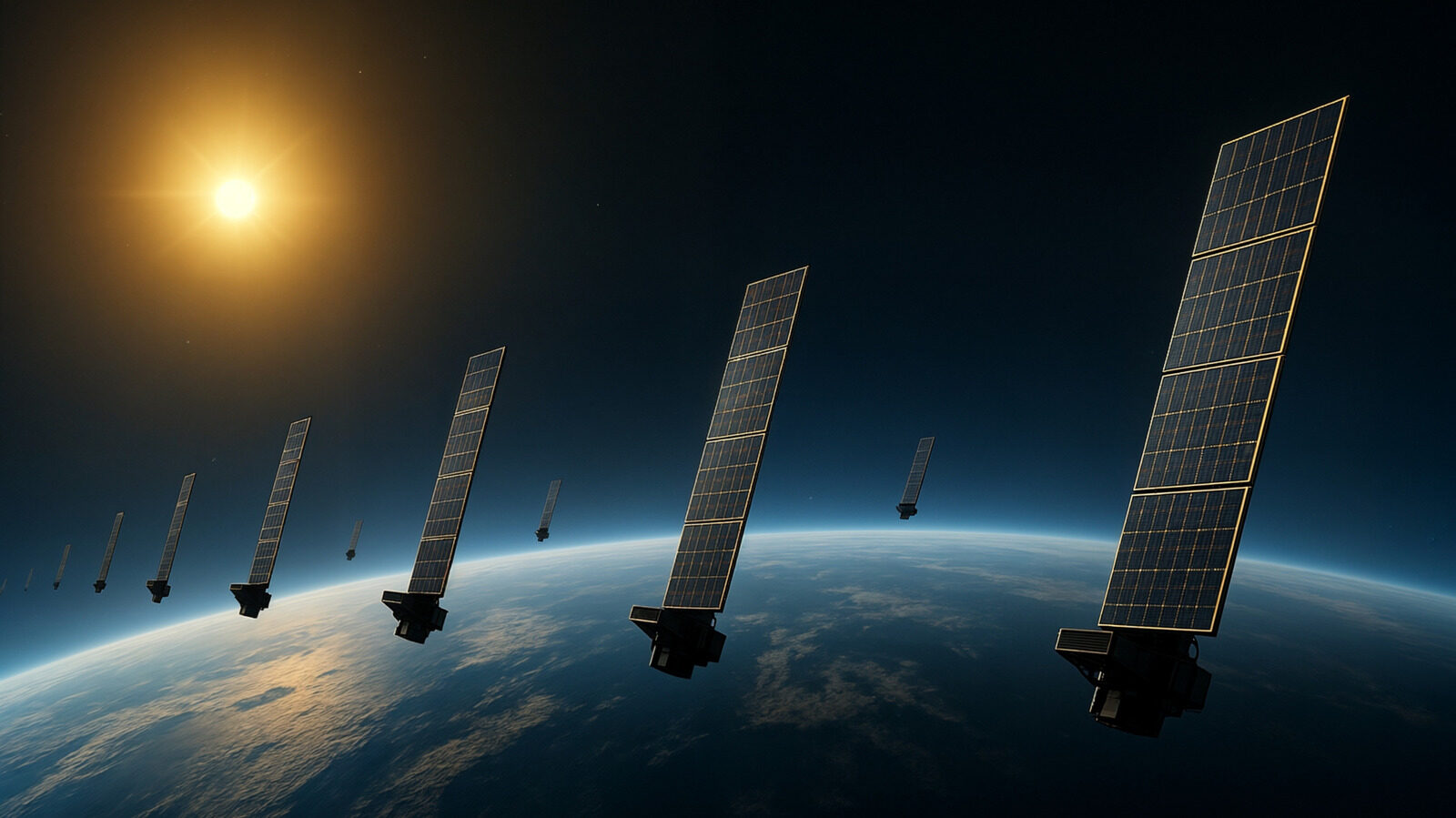
As the race to connect the world with high-speed internet continues, SpaceX’s Starlink project has captured global attention. With its ambitious goal of launching thousands of satellites into low Earth orbit, the initiative aims to provide internet access to even the most remote areas. Yet, as the number of satellites increases, so do concerns regarding their sustainability and impact on space. Let’s delve deeper into the challenges facing Starlink and the implications for our expanding reliance on satellite technology.
Launched in 2019, Starlink has rapidly scaled its operations. Currently boasting over 10,727 satellites in orbit, SpaceX plans to escalate that figure to more than 40,000. However, the project is not without its complications. A shocking number of satellites, exceeding 500, have already fallen from orbit between 2020 and 2024, with projections indicating that this rate of descent may escalate further. This article explores the reasons behind these failures and the broader implications for space travel and technology.
The impact of solar activity on Starlink satellites
In late 2024, the sun reached a critical point in its 11-year solar cycle known as the solar maximum. During this phase, the sun experiences heightened levels of solar activity, including an increase in sunspots, solar flares, and coronal mass ejections (CMEs). These phenomena have significant consequences for satellites operating in low Earth orbit.
The repercussions of heightened solar activity are profound. Increased solar winds, traveling at speeds of up to one million miles per hour, can disrupt Earth’s magnetic field and cause various technological failures. As researchers track the effects of solar activity on satellites, they have noted alarming trends:
- Between 2020 and 2024, a team led by physicist Denny Oliveira monitored 523 fallen Starlink satellites and established a direct correlation between solar activity and satellite failures.
- The data indicated that as the solar cycle intensified, the rate of satellite reentries also increased dramatically.
- Astrophysicist Jonathan McDowell reported a staggering increase in reentries from just two in 2020 to over 316 in 2024 alone.
These findings suggest that the sun’s natural cycles can significantly influence satellite longevity, posing challenges for companies like SpaceX as they seek to expand their satellite networks.
Why solar maximum is just one of Starlink’s challenges
While the solar maximum presents immediate threats, the long-term viability of Starlink is also at stake due to the surge in satellite launches. The rapid increase in the number of satellites in orbit has led to a congested environment, raising concerns about collision risks and space debris.
As of December 2025, estimates indicate there are approximately 15,000 satellites currently orbiting Earth, with Starlink accounting for about two-thirds of that total. This overcrowding raises several critical issues:
- Increased collision risks: With more satellites in the same orbital paths, the probability of collisions rises, which can lead to catastrophic failures and additional debris.
- Kessler Syndrome: This scenario describes a cascade effect in which debris collisions generate more debris, creating a hazardous environment in low Earth orbit.
- Long-term sustainability: The environmental impact of space debris is still being studied, but increasing satellite disintegration could release harmful materials into the atmosphere.
The exponential growth in satellite numbers is projected to continue, with estimates suggesting that by 2040, there could be over 500,000 satellites in orbit. This potential reality underscores the urgent need for effective space traffic management and debris mitigation strategies.
The environmental implications of satellite debris
As satellites fall from orbit, they generally disintegrate upon reentry. However, this process can release various metal compounds, including copper, lithium, and aluminum, into the atmosphere. The long-term effects of these materials on our environment and atmosphere remain uncertain.
Furthermore, the potential for Kessler Syndrome looms large. The phenomenon, named after NASA researcher Donald Kessler, poses a severe risk to both current and future satellite operations:
- Collision cascades: Even a small piece of debris can become a significant hazard if it collides with a functioning satellite, leading to more debris.
- Increased costs: As satellite operators face higher risks, insurance premiums and operational costs may rise, affecting the affordability of satellite internet services.
- Space governance: There is a growing need for international agreements and policies to manage satellite deployment and mitigate debris.
As our reliance on satellite technology deepens, understanding and addressing these environmental challenges will be crucial for the sustainability of projects like Starlink.
The future of satellite technology and SpaceX’s role
In light of the challenges posed by solar activity and increasing satellite congestion, what does the future hold for SpaceX and its Starlink initiative? While the company has plans for expansion, it must also innovate to address the pressing issues of satellite sustainability and safety.
Future strategies may include:
- Enhanced tracking systems: Developing more sophisticated tracking technologies to monitor satellite positions and predict potential collisions.
- Debris removal initiatives: Collaborating with international partners to create debris removal missions that can actively reduce the amount of space junk.
- Improved satellite designs: Engineering satellites that can better withstand solar activity and minimize the risks of disintegration upon reentry.
As the landscape of space technology evolves, SpaceX’s ability to adapt to these challenges will determine not only the success of Starlink but also the future of satellite communications.