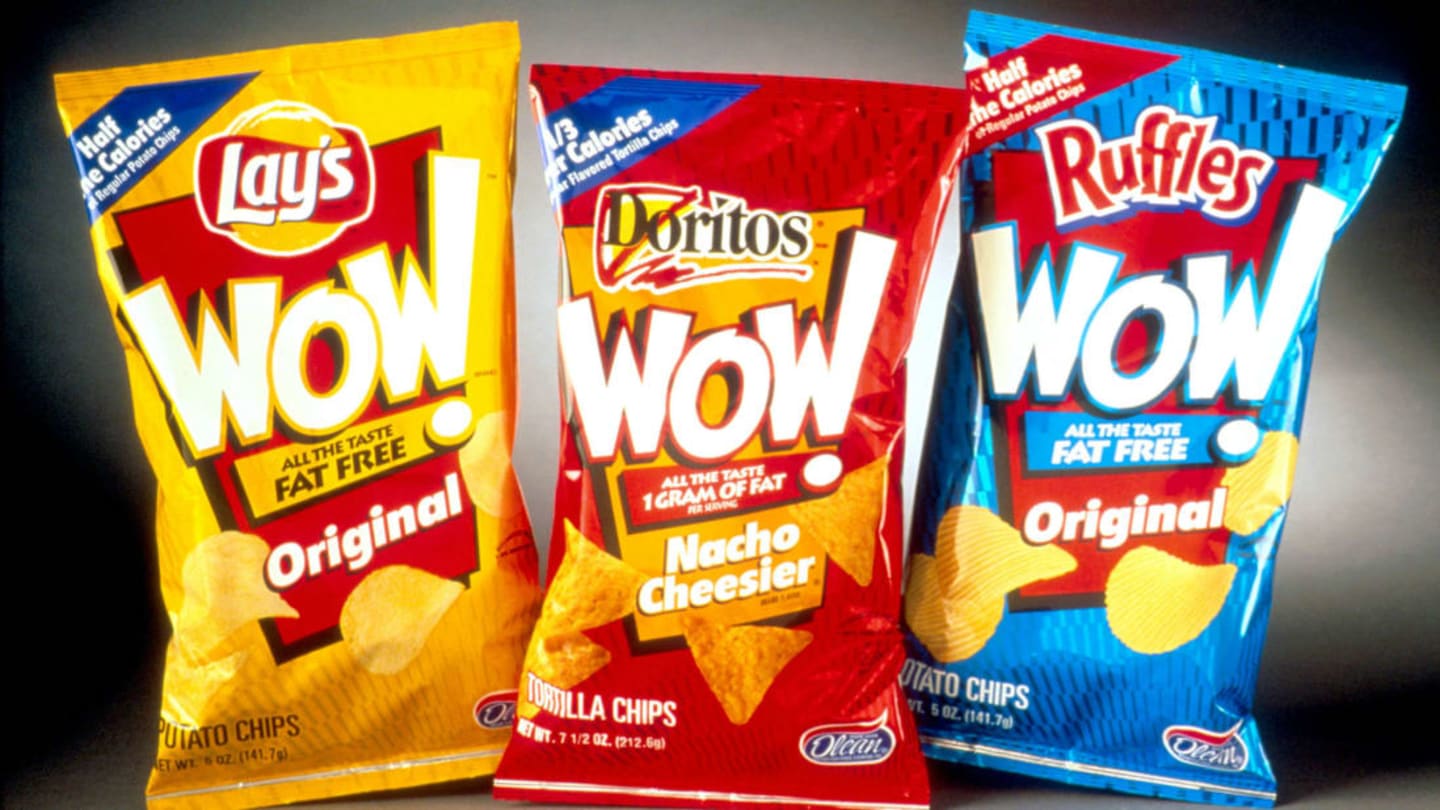
In the late 1990s, a wave of innovation swept through the food industry with the introduction of olestra, a synthetic fat marketed as Olean by Procter & Gamble. This novel compound promised consumers a guilt-free snacking experience by offering zero calories and zero fat compared to traditional fats found in beloved snacks like Pringles and Doritos. The allure of a “healthier” alternative was undeniable, and fat-Free Chips Olestra quickly captured the attention of health-conscious individuals and those seeking to indulge without worrying about their waistlines.
However, this seemingly perfect solution soon revealed Its Downsides. Olestra, unfortunately, proved unable to be digested by the body. This meant that while it offered Zero Calories, it couldn’t be broken down or absorbed Like Regular Fats. As a result, consumers reported experiencing a range of Unpleasant Gastrointestinal Issues. Stomach cramps, diarrhea, and fecal urgency became unsettlingly common among those who indulged in pringles with olestra and other Olestra Chips products. In some cases, the digestive distress escalated to even More Embarrassing Complications Like chips that cause anal leakage.
The Rise of Olestra: A Zero-Calorie Dream
Despite the emerging concerns about its effects on digestion, olestra initially enjoyed a period of Immense Popularity. Its zero-calorie, zero-fat profile appealed to a growing health-Conscious Consumer Base. Food manufacturers were quick to capitalize on this trend, integrating olestra into a wide range of products, including popular brands like Pringles and Frito-lay’s Ruffles and Doritos. The marketing campaign surrounding Olestra emphasized its ability to deliver the indulgent taste of traditional chips without the guilt associated with calories and fat.
This carefully crafted narrative resonated with consumers eager for guilt-Free Indulgence. Olestra pringles, marketed as a healthier alternative to Their Regular Counterparts, became a symbol of this new era of “sinful but sensible” snacking. Sales figures mirrored this enthusiastic reception, with Frito-lay’s Wow! chips, Which Utilized Olestra, generating an impressive $347 million in sales by 1998 alone. The success of Olestra Chips Warning, Particularly Among health-Conscious Consumers, seemed to validate its position as a game-changer in the snack food industry.
Gastrointestinal Side Effects: The Dark Side of Olestra
However, the initial excitement surrounding olestra soon gave way to a growing wave of consumer complaints. A significant number of individuals who consumed pringles with olestra, or any other product containing this Synthetic Fat, reported experiencing a range of uncomfortable and often disruptive gastrointestinal issues. Stomach cramps, diarrhea, and urgent bowel movements became alarmingly common. These side effects, while initially dismissed as isolated incidents, ultimately proved widespread enough to raise serious concerns about the safety of olestra-Based Products.
As reports of digestive distress mounted, Public Scrutiny Intensified, focusing on the potential dangers associated with olestra chips warning. The Fda, prompted by this growing wave of complaints, launched investigations into the matter. The agency’s findings confirmed the link between olestra consumption and these gastrointestinal side effects, leading to a revised warning label highlighting the potential risks associated with consuming products containing this synthetic fat.
Consumer Backlash and Fda Warnings
The mounting evidence of olestra’s adverse effects on digestion triggered a Significant Consumer Backlash. Public perception shifted dramatically, with many consumers now viewing olestra as a potential health hazard rather than a guilt-Free Indulgence. This negative sentiment translated into declining sales figures for olestra chips warning products, ultimately undermining the initial success they Had Enjoyed.
Faced with growing public concern and Dwindling Consumer Confidence, Procter & Gamble, the manufacturer of Olean (the brand name for olestra), found itself at a crossroads. Despite their efforts to downplay the severity of the side effects and assure consumers about the safety of olestra, the damage was done. The Fda, responding to the mounting evidence and Public Outcry, issued a series of warnings regarding potential vitamin absorption issues associated with Consuming Olestra Chips. These official pronouncements further fueled consumer apprehension towards products containing this controversial ingredient.
The Decline of Olestra-based Products
The tide had turned decisively against olestra. Faced with plummeting sales and a growing chorus of consumer disapproval, Procter & Gamble gradually shifted its focus away from olestra-Infused Food Products. The once-promising venture had become a costly liability, overshadowed by the persistent negative publicity and the ever-present specter of chips that cause anal leakage and other gastrointestinal distress.
 Leprechaun Facts: Their Likes, Work, and Lucky Traits
Procter & Gamble recognized the need to recalibrate Their Strategy, exploring alternative applications for Olestra in Less Sensitive Areas. The company began investing in research and development initiatives focused on utilizing Olestra in non-Food Products, such as cosmetics and pharmaceuticals. This strategic pivot aimed to distance them from the negative connotations associated with Olestra’s use in food, allowing them to salvage some value from this once-Lauded Innovation.
Beyond Food: Seeking Alternative Applications for Olestra
Procter & Gamble’s shift away from food applications for olestra marked a significant turning point in its history. The company sought to reposition this synthetic fat as a valuable ingredient with potential across diverse industries. One promising avenue they explored was the development of eco-friendly paints and lubricants, capitalizing on olestra’s unique properties as a non-toxic, Biodegradable Alternative To Traditional petroleum-Based Products.
These ventures represented an attempt to shed the negative baggage associated with Olestra’s use in food and demonstrate Its Versatility Beyond Snacking. Research and development efforts focused on Harnessing Olestra’s ability to act as a sustainable and environmentally friendly solution for various Industrial Applications. While these endeavors haven’t achieved the same level of Mainstream Success As Olestra’s initial foray into the food market, they highlight Procter & Gamble’s continued commitment to exploring innovative uses for this once-Controversial Ingredient.