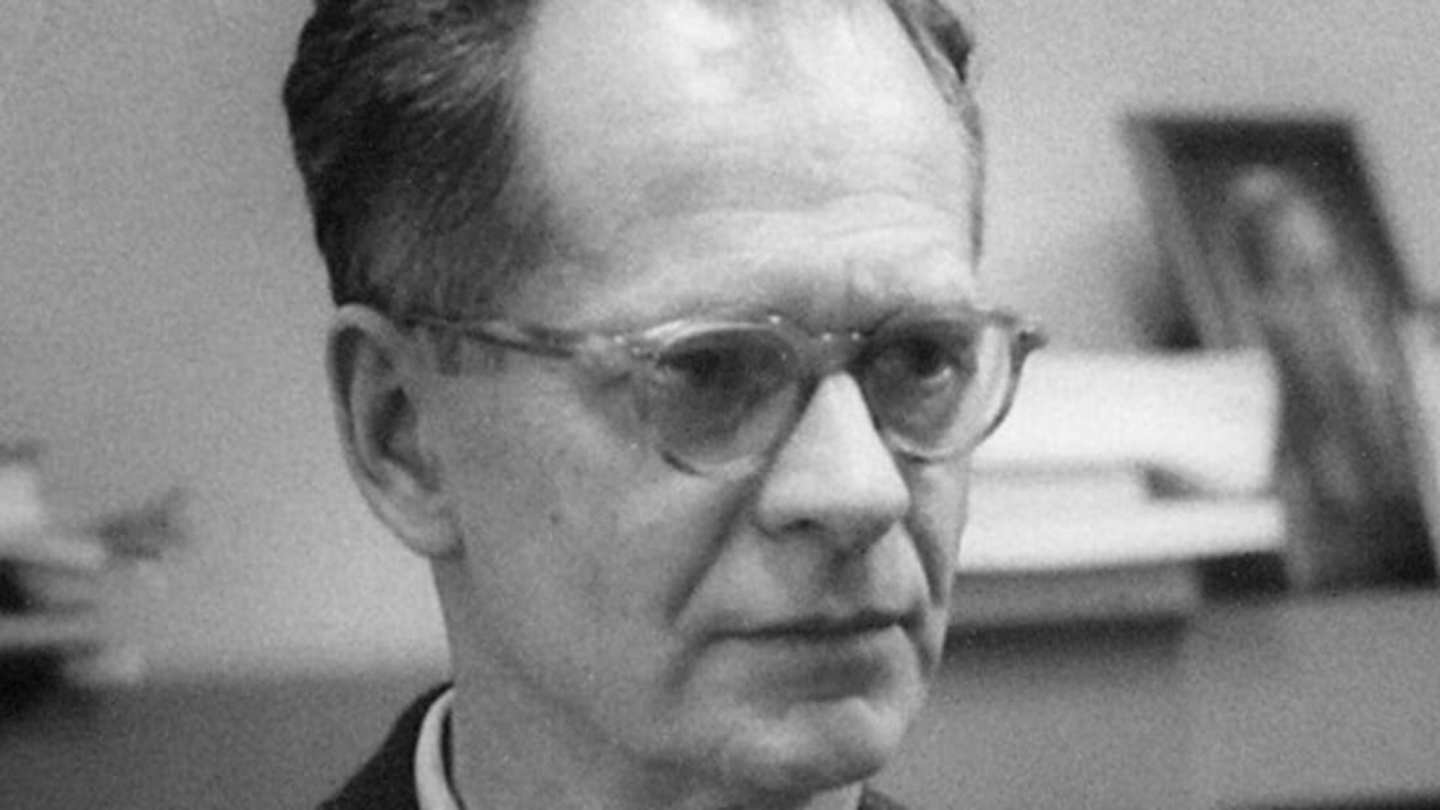
B.f. Skinner was a name that echoed through the corridors of psychology for decades. He wasn’T Just Another Researcher; he was a revolution in how we understand learning and behavior. His impact on fields like education, therapy, and even animal training is undeniable. This isn’t to say Skinner’s work was without its critics, but his ideas transformed the way we think about shaping actions through consequences.
Skinner’s legacy rests on his groundbreaking theory of operant conditioning. Imagine a world where behaviors are constantly being tweaked and refined by Their Outcomes, like a delicate dance between action and reward. That’s essentially what Skinner proposed – that positive and negative reinforcement act as the driving forces behind learning. A child cleans their room and Receives Praise, making them more likely to repeat that behavior. Conversely, touching a hot stove leads to pain, Discouraging Future Touchings.
It wasn’T Just Theoretical Musings; Skinner put his ideas into practice. His invention of the famous “Skinner Box” allowed him to meticulously study animal behavior in controlled environments. Within these boxes, he explored fascinating concepts like shaping, chaining, and discrimination – tools that could be used to modify complex behaviors step by step. The world took notice, Leading To interesting facts about B.f. Skinner being widely discussed and debated.
B.f. Skinner: A Pioneer in Behavioral Psychology
Skinner wasn’t just a clever theorist; he was a genuine pioneer in the field of behavioral psychology. Before his work, psychology often focused on internal thoughts and feelings – a concept known as “mentalism.” Skinner challenged this view, arguing that observable behaviors were the key to understanding how humans and Animals Learn. He believed that by studying these actions and their consequences, we could unlock the secrets of Behavior Modification Itself.
His approach was revolutionary, Shifting Psychology’s focus from introspection to external observation. Instead of trying to peer into someone’S Mind, Skinner proposed looking at what they did and why they did it. This emphasis on empirical evidence and measurable results had a profound impact on the field, paving the way for modern behavioral therapies and educational techniques.
Skinner’S Work wasn’T Without Its Critics, who sometimes accused him of oversimplifying Human Behavior. But his influence is undeniable. He helped to establish Behavioral Psychology as a legitimate and influential force within the scientific community, inspiring generations of researchers and practitioners to explore the fascinating world of learning and behavior.
Operant Conditioning Theory Explained
Operant conditioning is like a puzzle Where Each Piece – behavior, consequence, and learning – Fits Together Perfectly. Imagine you’re teaching a dog a new trick. Every time the dog performs the Desired Action, you reward it with a treat. This positive reinforcement strengthens the connection between the action and the reward, making the dog more likely to repeat the trick. That’s operant conditioning in a nutshell: behaviors are strengthened or weakened based on their consequences.
Skinner identified two main types of consequences: positive and negative reinforcement. Positive reinforcement involves adding something desirable after a behavior (like that tasty treat for the dog), while negative reinforcement involves removing something unpleasant (think taking away a chore for good grades). Then there’s punishment, which aims to decrease a behavior by adding something undesirable (a scolding) or removing something pleasant (Taking Away Screen time). Understanding these principles helps us grasp how learning occurs and how we Can Shape Behaviors Effectively.
Operant conditioning theory has wide-Ranging Applications, from teaching children new skills to modifying problematic behaviors in therapy. It’s a powerful tool for understanding the intricate dance between actions and Their Outcomes, revealing the hidden mechanisms that drive Our Everyday Choices.
 How Many Books Have Ever Been Written? A Global Estimate
The Skinner Box And Experimental Methods
To truly understand how operant conditioning worked, Skinner needed a controlled environment where he could meticulously observe animal behavior. Enter the “Skinner Box,” a legendary contraption that became synonymous with his research. Imagine a small chamber equipped with levers, buttons, lights, and food dispensers – all carefully wired to record every action taken by an animal inside.
Within this box, Skinner could precisely manipulate the consequences of an animal’s behavior. By delivering rewards or punishments at Specific Times, he could systematically shape their actions and track how they responded. This allowed him to test his theories in a rigorous way, gathering quantifiable data that supported his findings on reinforcement and learning.
The Skinner Box became a revolutionary tool, paving the way for countless studies on animal behavior and providing valuable insights into the mechanisms of operant conditioning. It demonstrated the power of systematic observation and controlled experimentation, forever changing the landscape of behavioral science.
Applications of Operant Conditioning
Skinner’s work transcended the laboratory walls and found practical applications in diverse fields. One of its most impactful areas is education, where teachers use operant conditioning principles to motivate and guide students. Positive reinforcement, like praise or stickers for good behavior, encourages desired actions while negative reinforcement, such as reducing homework load for High Grades, Incentivizes Academic Performance.
Therapy also benefits from Operant Conditioning. Therapists employ these techniques to help Patients Overcome Phobias, Manage Anxiety, or break harmful habits. By systematically reinforcing positive behaviors and Diminishing Negative Ones, therapy sessions can create a supportive environment for lasting change. Even animal training relies heavily on Operant Conditioning Principles, utilizing rewards and consequences to shape desired behaviors in our furry companions.
From classrooms to couch sessions, the influence of operant conditioning is undeniable. Its practical applications demonstrate the power of understanding how behaviors are learned and modified, offering valuable tools for shaping individual growth and improving lives.
Shaping Behavior in Diverse Fields
Skinner’S Work wasn’t confined to the realm of simple rewards and punishments. He delved deeper into shaping complex behaviors through a process called… You Guessed It – shaping! This technique involves breaking down a Desired Behavior Into Smaller, manageable steps and reinforcing each step As It’s achieved. Imagine teaching a pigeon to peck a specific target; you wouldn’t expect it to get it Right Away. Instead, you’d reward any movement towards the target, gradually increasing the precision of the peck until the pigeon finally masters the task.
This ingenious method has applications far beyond pigeons and lab rats. In therapy, shaping is used to encourage patients to overcome phobias by gradually exposing them to feared situations in a Controlled Manner. In animal training, it allows trainers to teach intricate routines and behaviors by rewarding each successive approximation of the final goal. Even in areas like language development for children, shaping techniques are employed to guide them towards mastering new words and phrases.
The power of shaping lies in its ability to break down seemingly insurmountable tasks into achievable milestones, Making Learning Gradual, effective, and ultimately successful.