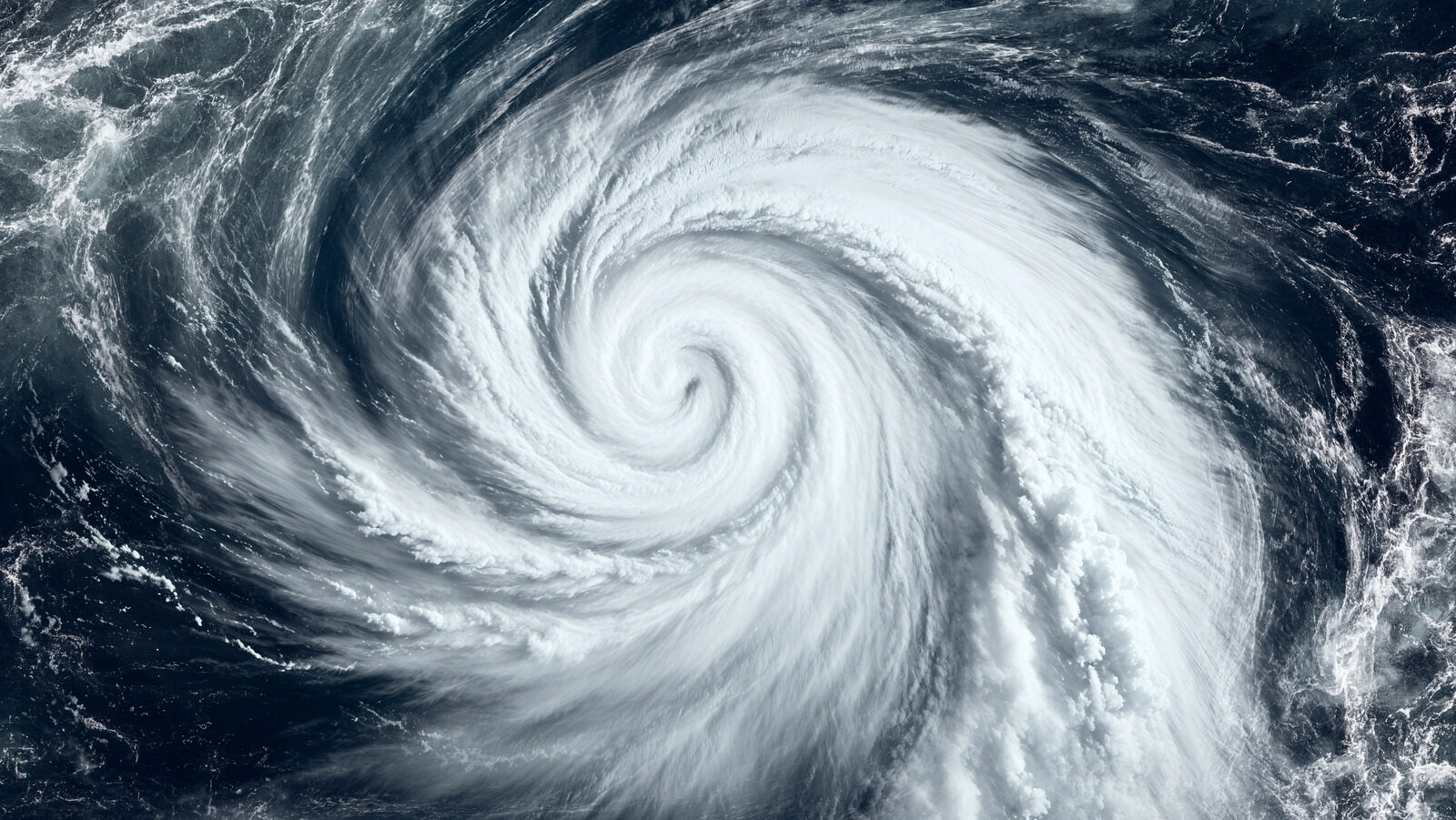
As hurricane season peaks, residents in tropical regions brace themselves for potential storms that can wreak havoc on their lives and environments. However, a fascinating scientific phenomenon has emerged that can significantly influence these storms: the effect of Saharan dust. This natural occurrence has the potential to suppress hurricanes, offering a glimmer of hope during the tumultuous months of September. Understanding this process not only sheds light on weather patterns but also highlights the intricate relationship between climate and atmospheric conditions.
In this article, we will explore the dynamics of hurricane formation, the role of Saharan dust in altering weather conditions, and the implications of these interactions on the frequency and intensity of hurricanes.
The dynamics of hurricane formation
Hurricanes are complex systems that form over warm ocean waters, typically when sea surface temperatures exceed 26.5 degrees Celsius (about 80 degrees Fahrenheit). These storms develop from tropical disturbances, which can be influenced by various atmospheric factors. The critical elements for hurricane formation include:
- Warm, moist air: This air rises, creating an area of low pressure that draws in more air.
- Wind patterns: The Coriolis effect helps to organize the storm’s rotation.
- Low vertical wind shear: Minimal changes in wind speed and direction with height allow storms to grow.
As warm air continues to rise and cool, it condenses to form clouds and rain, releasing latent heat that fuels the storm’s development. However, when dry, cool air is introduced into this system, it disrupts these processes, which can lead to the dissipation of storms.
How saharan dust influences hurricane suppression
The Saharan Air Layer (SAL) represents a unique atmospheric phenomenon that can affect hurricane development. This layer of dry, warm air laden with dust particles travels across the Atlantic Ocean from North Africa. Its impact on hurricane formation can be summarized as follows:
- Temperature reduction: The dust absorbs sunlight, leading to cooler ocean surface temperatures, which limits the energy available for storms to intensify.
- Barrier effect: The SAL tends to create a stable atmospheric layer that inhibits the upward motion of moist air required for hurricane formation.
- Condensation nuclei: Dust particles can act as nuclei for condensation, promoting precipitation that can strip away heat and energy from a developing storm.
These factors collectively contribute to a less favorable environment for hurricanes, making the SAL a powerful agent in the suppression of storm formation during peak hurricane season.
The unpredictable nature of hurricane suppression
While the presence of Saharan dust can lead to a reduction in hurricane formation, its effects are not always guaranteed. Meteorologists continuously study climate data and use advanced forecasting models to predict storm activity. However, the interaction between tropical waves and Saharan air can be unpredictable, with some years seeing more significant suppression than others. Key considerations include:
- Variability in dust levels: The amount of dust transported can vary year by year, influencing how effectively it can suppress hurricanes.
- Climate change factors: As global temperatures rise, the interplay between oceanic conditions and atmospheric patterns becomes increasingly complex, further complicating predictions.
- Regional differences: Effects can vary based on geographic locations, as some areas may experience different levels of dust concentration.
The inherent variability of these factors makes forecasting a challenge, and while Saharan dust can temporarily inhibit hurricane activity, it does not eliminate the threat entirely.
The implications of saharan dust on hurricane patterns
The interplay between Saharan dust and hurricanes has broader implications for our understanding of climate systems and future storm patterns. Although some years see a decrease in hurricane activity due to the influence of dust, this does not suggest a permanent reduction in storm frequency or intensity. In fact, scientists warn of several concerning trends:
- Increased hurricane intensity: Over the past decades, the overall intensity and destructiveness of hurricanes have been on the rise, partially attributed to climate change.
- Greater frequency of extreme weather: As atmospheric conditions continue to shift, the potential for more frequent and severe hurricanes increases.
- Long-term observations: Studies from agencies like NASA indicate a consistent pattern of more intense hurricanes, raising concerns about preparedness and response strategies.
These alarming trends highlight the urgent need for advanced research into the connections between Saharan dust, atmospheric conditions, and hurricane development.
Future research and climate adaptation strategies
To better understand the role of Saharan dust and its impact on hurricanes, researchers are focusing on various avenues, including:
- Enhanced modeling techniques: Developing more accurate climate models to predict interactions between dust and storm systems.
- Longitudinal studies: Conducting long-term analyses to observe trends in hurricane frequency and intensity related to atmospheric dust.
- Public education: Raising awareness about the implications of climate change on hurricane activity and the importance of preparedness.
As we advance into an era of climate uncertainty, ongoing research and proactive measures will be essential to mitigate the impacts of hurricanes and protect vulnerable communities.
Conclusion on the influence of saharan dust
The fascinating relationship between Saharan dust and hurricanes reveals the complexity of our climate systems. While this natural phenomenon can offer temporary relief from storm development, the overarching trends indicate a world increasingly affected by climate change. Understanding the dynamics at play is crucial for both scientific inquiry and effective disaster preparedness.