The world is full of fascinating and often disturbing stories, and the tale of feral children certainly ranks among the most intriguing. These individuals, who have lived in isolation from human society for a significant portion of their early lives, offer a glimpse into the raw potential and vulnerability of our species. They challenge our understanding of what it means to be human, forcing us to confront the profound impact that social interaction has on our development.
While the concept of pictures of feral people might seem like something out of a fictional horror movie, these stories are rooted in reality. Throughout history, there have been around 100 documented cases of feral children, each with their own unique narrative of survival and struggle. These rare occurrences serve as a stark reminder of the essential role human connection plays in shaping our identities, behaviors, and ultimately, our very humanity.
It’s important to remember that these children are not monsters or creatures from another world. They are individuals who have endured unimaginable hardships, deprived of the fundamental building blocks of social development. Their stories are a testament to the resilience of the human spirit, but also a call to empathy and understanding for those who have been marginalized and forgotten by society.
The Definition and Prevalence of Feral Children
So, what exactly defines a feral child? While the term might conjure up images of wild beasts roaming the forest, the reality is often more complex. A feral child is generally considered to be someone who has lived in isolation from human society for a significant portion of their early years, typically before the age of seven. This means they have had little to no contact with other humans, lacking opportunities to learn language, social norms, and basic survival skills.
It’s crucial to understand that feral children are not born wild. They are typically abandoned or separated from their families at a very young age, often due to poverty, neglect, or war. Their upbringing in the wilderness, whether it be a forest, desert, or urban wasteland, forces them to adapt and learn by instinct, mimicking the behaviors of animals they encounter along the way. This can result in a unique set of physical and psychological characteristics that distinguish them from their typically raised counterparts.
While these cases are incredibly rare, with only around 100 documented throughout history, each story offers a profound glimpse into the adaptability and resilience of the human spirit. Despite the challenges they face, feral children demonstrate an extraordinary capacity to survive and thrive in even the most challenging environments. However, their stories also highlight the fundamental need for human connection and social interaction in shaping healthy development.
Case Studies: Nine Stories of Isolation
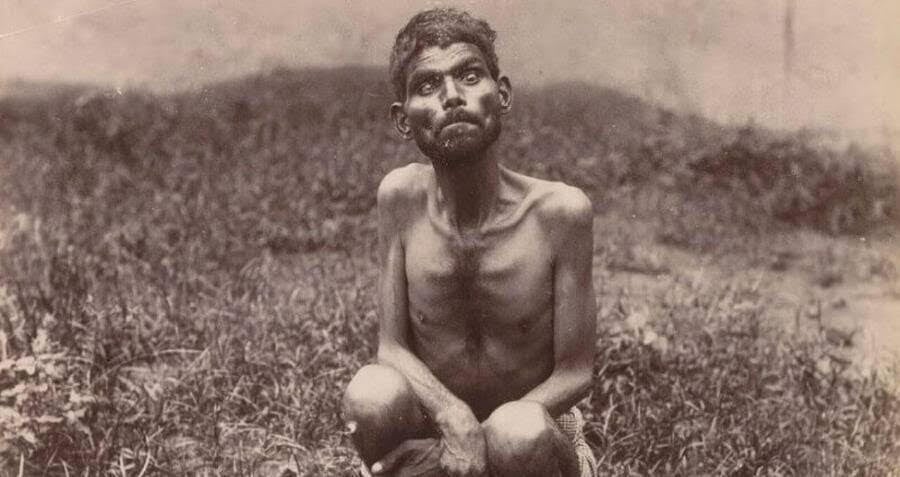
The world has been captivated by the stories of feral children for centuries. Each case offers a unique window into the complexities of human development and the profound impact of social isolation. There are numerous documented cases, each with its own heartbreaking narrative of survival and struggle. Some notable examples include Dina Sanichar, raised by wolves in India whose story inspired Rudyard Kipling’s “The Jungle Book,” and Victor of Aveyron, a French boy found living in the woods who was unable to speak or interact socially despite years of intensive care.
These children faced immense challenges integrating back into society. Their lack of exposure to human language, culture, and social norms made it incredibly difficult for them to learn and adapt. Many struggled with basic communication, displaying unusual behaviors and exhibiting a deep-seated fear or distrust of others. Despite the efforts of educators, therapists, and caregivers, some were never able to fully overcome the effects of their early isolation.
Others, like the American boy known as “The Wild Boy of Vineland,” managed to make some progress. Through intensive training and socialization, he learned to speak, read, and write. However, his experience serves as a reminder that the long-term impact of feral childhood can be profound and lasting. These nine stories serve as a cautionary tale about the crucial role human connection plays in shaping our development and remind us of the immense resilience of the human spirit in overcoming adversity.
 Famous Feuding Families: Historys Most Violent Rivalry
Challenges of Reintegration and Adaptation
Reintegrating into society after a life of isolation is an incredibly arduous journey for feral children. Imagine having to learn the rules of a complex social game without ever having been taught the basics. That’s essentially what these children face when they are brought back into human contact. They struggle to understand basic social cues, navigate interpersonal relationships, and adapt to the often overwhelming demands of everyday life.
Language is another significant hurdle. While some feral children demonstrate an innate ability to learn languages quickly, others find it incredibly difficult to grasp complex grammatical structures and vocabulary. This can lead to frustration, isolation, and a sense of powerlessness as they struggle to express themselves and connect with others. Think about how much we rely on language not just for communication, but also for learning, thinking, and understanding the world around us.
The trauma of their early experiences often manifests in various ways, including anxiety, depression, and behavioral problems. Some may exhibit aggression or fearfulness towards strangers, while others struggle with attachment issues and difficulty forming trusting relationships. It’s important to remember that these children are not simply “wild” or unruly; they are deeply wounded individuals who need patience, understanding, and specialized care to heal and thrive.
Education and Care for Feral Children
Helping feral children reintegrate into society requires a multi-pronged approach that focuses on education, therapy, and social support. Their educational journey often begins with basic skills like language acquisition and literacy, tailored to their individual needs and learning styles. It’s crucial to create a nurturing and supportive environment where they feel safe to learn and explore.
Specialized therapists play a vital role in addressing the psychological trauma these children have endured. They use various techniques, such as play therapy and art therapy, to help them express their emotions, build self-esteem, and develop healthy coping mechanisms. Social workers and caregivers provide crucial support by helping them navigate social situations, establish relationships with peers, and learn essential life skills.
Despite the best efforts of educators, therapists, and caregivers, the path to recovery for feral children can be long and challenging. It’s important to remember that education and care are not simply about teaching them academic subjects or social norms; they are about empowering these children to reclaim their humanity, heal from past wounds, and build a brighter future for themselves.
The Enduring Impact on Society
The stories of feral children have captivated and disturbed audiences for centuries, prompting us to confront uncomfortable truths about human nature and the fundamental need for social connection. These rare cases serve as a stark reminder of our shared humanity and the profound impact our upbringing has on shaping who we become. They challenge our assumptions about what it means to be human and force us to grapple with complex ethical questions surrounding care, rehabilitation, and the boundaries of societal responsibility.
The enduring fascination with feral children speaks volumes about our innate curiosity and desire to understand the world around us. They represent a unique lens through which we can examine the interplay between nature and nurture, exploring the limits of human adaptability and resilience in the face of adversity. While their stories are often heartbreaking, they also inspire hope and remind us of the extraordinary capacity for healing and growth that resides within each individual.
These cases continue to raise important questions about how society should respond to individuals who have been marginalized or ostracized due to circumstances beyond their control. It compels us to consider how we can better support those who are vulnerable and create a more inclusive and compassionate world for all.