Genghis Khan wasn’t just a fearsome warrior; he was also a father on an epic scale. His influence stretched far beyond the battlefields of Asia, shaping the genetic landscape of the world in ways we are only beginning to understand. While his military conquests were undeniable, it’s fascinating to explore how he left such a profound mark on human heritage.
Historians have long documented his many wives and concubines, but a groundbreaking genetic study in 2003 revealed just how widespread his lineage truly is. It found that a staggering 0.5 percent of the world’s male population are descendants of Genghis Khan! Imagine the sheer number of people around the globe who carry a piece of this legendary conqueror’s DNA within them.
This genetic legacy speaks volumes about the impact of cultural and historical events on our very being. It reminds us that even seemingly distant figures from the past can leave an enduring imprint on the world, shaping the lives of countless individuals across generations.
Genghis Khan’s Prolific Legacy
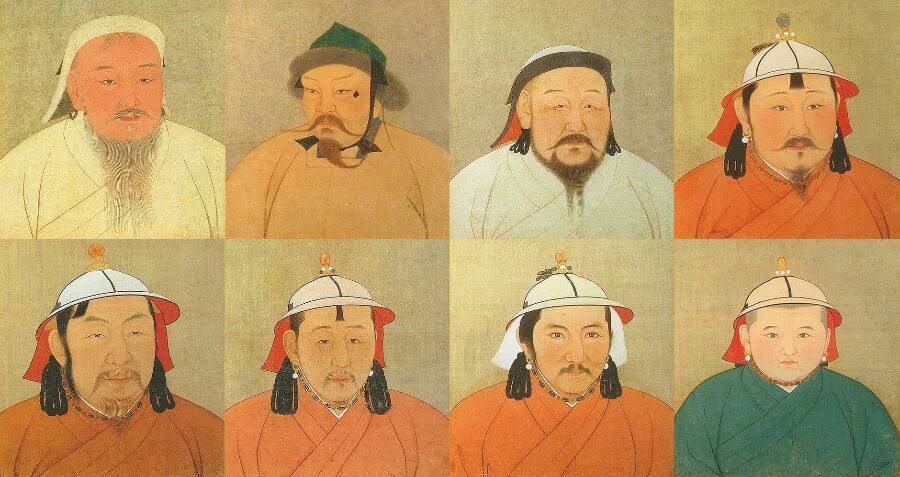
Genghis Khan’s legacy isn’t solely defined by his military prowess; his personal life also played a significant role in shaping his enduring impact on the world. While historical records indicate he had six wives and countless concubines, the true extent of his offspring remains a subject of debate among scholars. Some estimates suggest that Genghis Khan fathered how many children is a number in the hundreds, though pinpointing an exact figure remains elusive.
This prolific procreation wasn’t simply a product of personal preference; it was also a strategic tool in expanding his Mongol empire. By marrying women from conquered territories and incorporating them into his harem, Genghis Khan forged alliances and consolidated his power. His children, born into this vast network of influence, were destined to inherit a powerful legacy. Each son he had with his primary wife, Börte – Jochi, Chagatai, Ögedei, and Tolui – went on to establish their own khanates, further spreading the reach of the Mongol empire across Asia.
With each generation, how many sons did Genghis Khan have and their descendants continued to multiply, cementing his genetic legacy as one of the most remarkable in human history. Even today, studies suggest that over 8% of men living in regions historically controlled by the Mongols share identical Y-chromosomes, a testament to the enduring impact of his vast family tree.
The Genetic Study and its Findings
The year 2003 brought a scientific breakthrough that shed new light on Genghis Khan’s enduring legacy: a groundbreaking genetic study conducted by researchers at the University of Oxford. This wasn’t just another historical analysis; it delved into the very DNA of modern men, seeking to trace their lineage back through time. The aim was to determine if there was any evidence supporting the widespread belief that Genghis Khan had fathered numerous children, a claim often dismissed as mere legend.
What they discovered was nothing short of astonishing. The study revealed that an astounding 0.5 percent of the world’s male population share a common ancestor – none other than Genghis Khan himself! This finding suggests an unprecedented level of genetic diversity stemming from his descendants. The researchers were able to pinpoint this link by analyzing the Y-chromosome, which is passed down directly from father to son, providing a clear trail through generations.
The study’s implications are profound. It serves as a powerful reminder that even seemingly distant historical figures can have a lasting impact on the genetic makeup of humanity. How many grandkids did Genghis Khan have, and how many more descendants followed in their wake? The sheer magnitude of his genetic legacy is a testament to the far-reaching consequences of both conquest and procreation.
 Gary Indiana Then & Now: From Steel Hub to Ghost Towns Resilience
The Impact of Conquest on Lineage
Genghis Khan’s conquests weren’t just about territorial expansion; they were also a key factor in shaping his vast genetic legacy. As the Mongol empire grew, so did Genghis Khan’s personal harem, which included women from conquered territories across Asia.
This practice wasn’t simply a reflection of personal indulgence; it was a strategic maneuver aimed at consolidating power and forging alliances. By marrying women from different cultures and backgrounds, Genghis Khan sought to create bonds of kinship that transcended political boundaries. His children, born into this diverse tapestry of cultures, inherited the Mongol legacy but also carried within them the genetic traces of their mothers’ ancestral homes.
The widespread adoption of these practices across his empire solidified a unique link between conquest and lineage. It’s through this lens that we can truly understand the significance of how many grandchildren did Genghis Khan have – each one representing a thread woven into the intricate tapestry of Mongol history and a tangible reminder of the far-reaching consequences of their conquests on the genetic landscape.
Tracing the Mongol Empire’s Influence
The Mongol Empire’s reach extended far beyond its military conquests; it left an indelible mark on the world’s cultural, economic, and even genetic landscapes. Tracing this influence is like following a winding path through history, uncovering remnants of their presence in unexpected places.
From the Silk Road trade routes they established to the languages that evolved under their rule, the Mongols’ impact continues to resonate today. To understand how many sons did Genghis Khan have and how each contributed to this legacy is like piecing together a complex puzzle. Each khanate founded by his sons – from the Golden Horde in Russia to the Yuan Dynasty in China – carried the Mongol stamp, introducing new ideas, technologies, and cultural practices to the regions they ruled.
Even centuries later, we can still see echoes of their influence in the architecture, art, and cuisine of many Asian countries. The legacy of Genghis Khan isn’t just about conquest; it’s a testament to the enduring power of cultural exchange and the interconnectedness of human history.
A Testament to Cultural Impact
Genghis Khan’s story is more than just a tale of military might; it’s a testament to the profound impact that individuals can have on shaping cultures and civilizations. His vast empire, spanning from Eastern Europe to East Asia, acted as a conduit for the exchange of ideas, technologies, and artistic expressions between diverse peoples.
The Mongols, despite their reputation as fierce warriors, were also known for their pragmatism and adaptability. They readily adopted elements of conquered cultures, integrating them into their own traditions. This cultural fusion gave rise to unique blends of art, architecture, and cuisine that continue to fascinate historians and travelers alike. It’s a reminder that empires aren’t just about conquest; they can also be catalysts for cultural evolution and the creation of something truly new.
Looking at the world today, we can still see traces of this Mongol influence in various aspects of life – from linguistic similarities across Eurasia to ancient trade routes that remain vital arteries of commerce. It’s a testament to the enduring power of cultural exchange and how even seemingly distant historical figures like Genghis Khan can leave an indelible mark on the tapestry of human history.