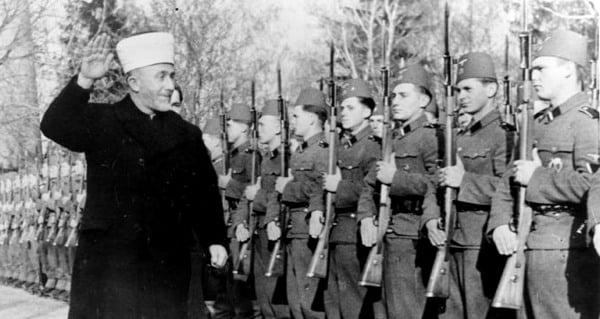
The Free Arab Legion, a unique military formation during World War II, exemplifies the intricate moral dilemmas faced by individuals and nations in a time of global conflict. Comprised mainly of Arab volunteers, this group aimed to fight alongside Axis powers, complicating narratives around loyalty, nationalism, and resistance in the Middle East.
In exploring the **Free Arab Legion: Complexity in WWIIs Moral Landscape**, one must consider the broader implications of their actions within the context of colonialism and the shifting allegiances of the era. This formation serves as a lens through which we can interrogate the motivations and ethical quandaries that defined not only the Arab experience in the war but also the global struggle for identity and independence.
The Free Arab Legion: A Unique Force in WWII’s Battlefields
The Free Arab Legion stands out as a **unique force** in the battlefields of World War II, representing a complex tapestry of motivations among its members. Composed chiefly of Arab volunteers, this legion was established with the intention of combating British colonial influence in the region. The participants were driven by a mix of **strategic interests**, nationalism, and the desire for autonomy, which reflects the multifaceted nature of allegiance during wartime.
Throughout its operations, the Free Arab Legion operated under the banner of the Axis powers, which significantly shaped its identity. This association raised important questions about the nature of **collaboration** and resistance. While some viewed their enlistment as a means to achieve **Arab sovereignty**, others criticized it as a betrayal of broader anti-fascist ideals. This division illustrates the internal conflicts that plagued the Arab world during the era.
Moreover, the legacy of the Free Arab Legion can be analyzed through its impact on post-war sentiments in the Middle East. Countries and regions reflected on the outcomes of the war and the **alliances formed** during it. The legion serves as a case study for examining how **historical narratives** can be shaped by the perspectives of those who fought, highlighting the ongoing struggle for identity and recognition in a rapidly changing geopolitical landscape.
- Key Characteristics of the Free Arab Legion:
- Composed mainly of Arab nationalists and anti-colonial volunteers.
- Aligned with Axis powers against British and Allied forces.
- Fought in various campaigns across North Africa and the Middle East.
- Post-War Implications:
- Influenced Arab nationalist movements.
- Contributed to debates on collaboration and resistance.
- Highlighted the complexities of identity in a colonized world.
Exploring the Role of the Free Arab Legion in World War II
The Free Arab Legion played a pivotal role in the context of World War II, acting as a reflection of the complex political and social dynamics of the time. This formation not only represented the interests of Arab nationalists but also highlighted the broader struggle against colonial powers. Their alignment with the Axis forces brought forth a unique perspective that challenged conventional narratives surrounding allegiance during the war.
One of the most significant aspects of the Free Arab Legion was its composition, which comprised individuals from diverse backgrounds united by a common goal. Many members were motivated by a desire for Arab independence and the establishment of national identity, creating a paradox of loyalty that often conflicted with moral and ethical considerations. This internal struggle is indicative of the broader challenges faced by nations seeking autonomy amidst global conflict.
As the war progressed, the actions of the Free Arab Legion contributed to a reevaluation of alliances in the Middle East. Their involvement in various military campaigns raised questions about collaboration and betrayal, and these themes resonate in the post-war era. Through their experiences, the legion members inadvertently shaped the discourse on nationalism, sovereignty, and identity in the region.
In examining the legacy of the Free Arab Legion, we find that it serves as a crucial case study for understanding the complexities of wartime narratives. The reverberations of their actions continue to influence Arab nationalist movements and the ongoing quest for recognition in a post-colonial world. Ultimately, the Free Arab Legion embodies the intricate moral landscape of World War II, where personal and collective aspirations often collided in dramatic ways.
 Genghis Khans Legacy: How Many Sons, Grandkids & Children?
Moral Dilemmas Faced by the Free Arab Legion During WWII
The Free Arab Legion faced significant moral dilemmas as it navigated its alignment with Axis powers during World War II. Many volunteers joined out of a legitimate desire to combat colonial oppression, yet their collaboration with regimes known for their brutal tactics raised ethical questions about complicity. This duality encapsulates the struggle between the hope for national sovereignty and the moral implications of choosing unprincipled allies.
Members of the Free Arab Legion grappled with conflicting loyalties that often divided their motivations. Key dilemmas included:
- Balancing anti-colonial aspirations with the realities of supporting fascist ideologies.
- Assessing the impact of their actions on the broader Arab nationalist movement.
- Reconciling personal beliefs with the consequences of military collaboration.
Furthermore, the legacy of the Free Arab Legion illustrates how complex moral landscapes emerge during wartime. The perception of their actions varied significantly across different groups within the Arab world, leading to a spectrum of responses, from admiration to condemnation. This divergence highlights the challenges of forging a cohesive national identity amidst external influences and internal divisions.
Ultimately, the Free Arab Legion’s experience serves as a profound reflection on the nature of loyalty, sacrifice, and the moral quandaries that arise in the pursuit of self-determination. Their story contributes to a nuanced understanding of the ethical challenges faced by those who fought against colonial rule while wrestling with the implications of their alliances during a tumultuous period in history.
The Impact of the Free Arab Legion on Middle Eastern Politics in WWII
The impact of the Free Arab Legion on Middle Eastern politics during World War II was significant, shaping the political discourse of the era. By aligning with Axis powers, the legion catalyzed discussions on **Arab nationalism** and identity, challenging the traditional narratives that framed the conflict solely in terms of colonial resistance. This alignment prompted a reevaluation of loyalty among various factions within the region, particularly regarding their positions on colonialism and fascism.
Furthermore, the actions of the Free Arab Legion during the war contributed to the emergence of **nationalist movements** across the Middle East. Their struggle for self-determination resonated with many Arabs who sought to liberate their countries from colonial rule. However, the complexity of their allegiances raised critical questions about the ethics of collaboration and the potential consequences for future political landscapes in the region.
As the war drew to a close, the legacy of the Free Arab Legion continued to influence post-war politics in the Middle East. The discussions surrounding their involvement fostered a deeper understanding of the **dynamic relationships** between colonial powers and local nationalist movements. This legacy is evident in the ongoing debates about collaboration, resistance, and the pursuit of sovereignty that persist in contemporary Middle Eastern politics.
In summary, the Free Arab Legion’s contributions during World War II reflect the intricate interplay of **politics, identity, and morality** that defined the era. Their legacy remains a crucial point of reference for understanding the complexities of the Arab struggle for independence and the negotiations of power that shaped the Middle East in the years following the war.
Understanding the Complex Identity of the Free Arab Legion
Understanding the complex identity of the Free Arab Legion requires an examination of the diverse backgrounds of its members, who were united by a shared vision of Arab independence. Many enlisted with the hope of dismantling colonial structures, yet their choice to align with Axis powers complicated perceptions of patriotism and loyalty. This intricate identity reflects the broader tensions within the Arab world, where aspirations for self-determination often conflicted with the moral implications of collaboration with authoritarian regimes.
The dichotomy within the Free Arab Legion’s identity is further illustrated by the differing motivations of its fighters. Some were driven by a genuine desire to achieve Arab sovereignty, while others were influenced by personal or ideological grievances against colonial powers. This mix of intentions highlights the complexities of identity in a time of war, revealing how individual aspirations can intersect with larger national narratives. The legion thus serves as a critical case study in understanding the multifaceted nature of allegiance during World War II.
Moreover, the legacy of the Free Arab Legion is intertwined with the evolving discourse around Arab nationalism post-war. Their experiences have been interpreted in various ways across different communities, contributing to ongoing debates about collaboration versus resistance. Consequently, the identity of the Free Arab Legion is not static but rather a dynamic construct that continues to influence contemporary discussions about identity, morality, and the quest for autonomy in the Arab world.
Ultimately, the complex identity of the Free Arab Legion offers a unique lens through which to examine the moral landscape of World War II. The interplay between personal motivations and collective aspirations illustrates how wartime dynamics can reshape identities, forcing individuals to navigate a labyrinth of ethical dilemmas while striving for national liberation. In this sense, the legion embodies the broader struggles of a region in flux, striving to carve out its place in a rapidly changing global context.
Legacy of the Free Arab Legion: Lessons from WWII’s Moral Landscape
The legacy of the Free Arab Legion extends far beyond its military endeavors; it offers critical insights into the moral complexities of World War II. This formation illustrates how collaboration with contentious powers can blur the lines between resistance and complicity. By choosing to align with the Axis, the legion members faced a profound moral dilemma that continues to echo in contemporary discussions on nationalism and ethical alliances.
Lessons drawn from the Free Arab Legion’s experiences reveal the intricate relationship between identity and allegiance in wartime. The legion’s members were not a monolithic group; rather, they represented a range of motivations, including anti-colonial aspirations and personal grievances against colonial powers. This diversity prompts us to consider how individual and collective identities can dynamically shift in response to external pressures and internal conflicts.
Moreover, the legacy of the Free Arab Legion highlights the ongoing struggle for sovereignty in the Arab world. Their involvement in World War II served as a catalyst for subsequent nationalist movements, reinforcing the notion that the quest for independence is often fraught with ethical ambiguities. The lessons learned from their alignment with Axis forces compel us to critically assess the nature of alliances and the potential ramifications they bear for future generations.
In summary, the Free Arab Legion’s contributions to the moral landscape of World War II serve as a poignant reminder of the complexities inherent in the pursuit of freedom. By examining their legacy, we gain valuable insights into the enduring challenges of identity and self-determination, illuminating how the choices made in times of conflict can shape political and social narratives for decades to come.