Nestled in the heart of Summit County, Ohio, lies a place shrouded in both history and haunting tales—Helltown. Once a thriving community known as Boston Village or Township, it witnessed a dramatic transformation over centuries. Imagine bustling streets lined with shops and homes, the rhythmic chugging of trains along nearby railroads, and laughter echoing through schoolyards. This was Helltown’s reality during its prosperous early days.
However, time, like a relentless current, swept away its vibrancy. Industrial decline, coupled with devastating floods, left its mark on the once-thriving settlement. By the 20th century, the idyllic image of Helltown had faded, replaced by whispers of abandonment and decay. The government’s decision to acquire land for Cuyahoga Valley National Recreation Area in the 1970s further cemented its fate. Residents were forced to relocate, leaving behind a tapestry of boarded-up homes and forgotten structures that became magnets for local legends and spine-chilling stories.
The Rise and Fall of Boston Village
The story of Helltown begins long before the whispers of hauntings and spectral sightings began to circulate. In the early 19th century, a community known as Boston Village or Township sprang up in Summit County, Ohio. Picture it: a bustling hub with families tending their farms, children playing in dirt roads, and merchants setting up their stalls at the lively town square. The arrival of the Ohio and Erie Canal brought a surge of economic activity, connecting Boston Village to wider markets and fueling its growth.
Later, the Valley Railway further enhanced its prosperity, providing a convenient link for transporting goods and people. Life in Boston Village was simple yet fulfilling, with strong community bonds woven into the fabric of everyday existence. Local churches held vibrant Sunday services, schools nurtured young minds, and neighbors helped each other through thick and thin. It was a time when life moved at a slower pace, where the rhythm of nature dictated the seasons, and the warmth of human connection filled every corner.
However, like so many communities across history, Boston Village faced its share of challenges. Industrial decline in the late 19th century cast a shadow over its economic well-being. Then came the devastating floods that ravaged the region, leaving behind trails of destruction and despair. These hardships slowly eroded the village’s resilience, paving the way for its eventual transformation into the enigmatic place we know today as Helltown.
The Ohio And Erie Canal: A Boon For Helltown
The arrival of the Ohio and Erie Canal in the early 1800s proved to be a turning point for Boston Village, ushering in an era of prosperity and growth. Imagine sturdy canal boats laden with goods plying along its waters, connecting the village to distant markets and bringing a steady stream of commerce to its doorstep. The canal became a vital lifeline, facilitating trade and stimulating economic activity. Farmers could now transport their produce to larger towns and cities, while merchants received supplies from further afield, expanding Boston Village’s reach and influence.
Suddenly, life in the village took on a new vibrancy. Busy wharves buzzed with activity as workers unloaded cargo, eager customers browsed lively shops stocked with imported goods, and the sound of hammers echoed through bustling construction sites as new buildings sprang up to accommodate the growing population. The canal wasn’t just a waterway; it was a catalyst for progress, transforming Boston Village from a quiet rural community into a thriving hub of commerce and connection. This period of growth laid the foundation for its future development, shaping the village’s identity and setting the stage for its eventual transformation into Helltown.
Government Acquisition & Displacement
The idyllic existence that characterized Helltown’s earlier years was disrupted during the mid-20th century when a wave of government acquisition swept through the region. The dream of preserving the scenic Cuyahoga Valley for public enjoyment led to the creation of Cuyahoga Valley National Recreation Area in the 1970s. This ambitious project, while ultimately beneficial for conservation and recreation, came at a significant cost to the residents of Helltown. Imagine families receiving notices informing them they would have to leave their homes, their schools, their churches—the very foundations of their lives.
Displaced by government decree, the people of Helltown were forced to relocate, leaving behind generations of memories etched into every brick and windowpane. Many struggled to adjust to unfamiliar surroundings, grappling with the loss of a cherished community and the disruption of familiar routines. The government offered compensation for their properties, but this couldn’t fully mend the emotional scars left by the displacement. This chapter in Helltown’s history serves as a poignant reminder that progress often comes at a price, leaving individuals and communities to navigate the complexities of change and loss.
Legends of Helltown: Haunted History
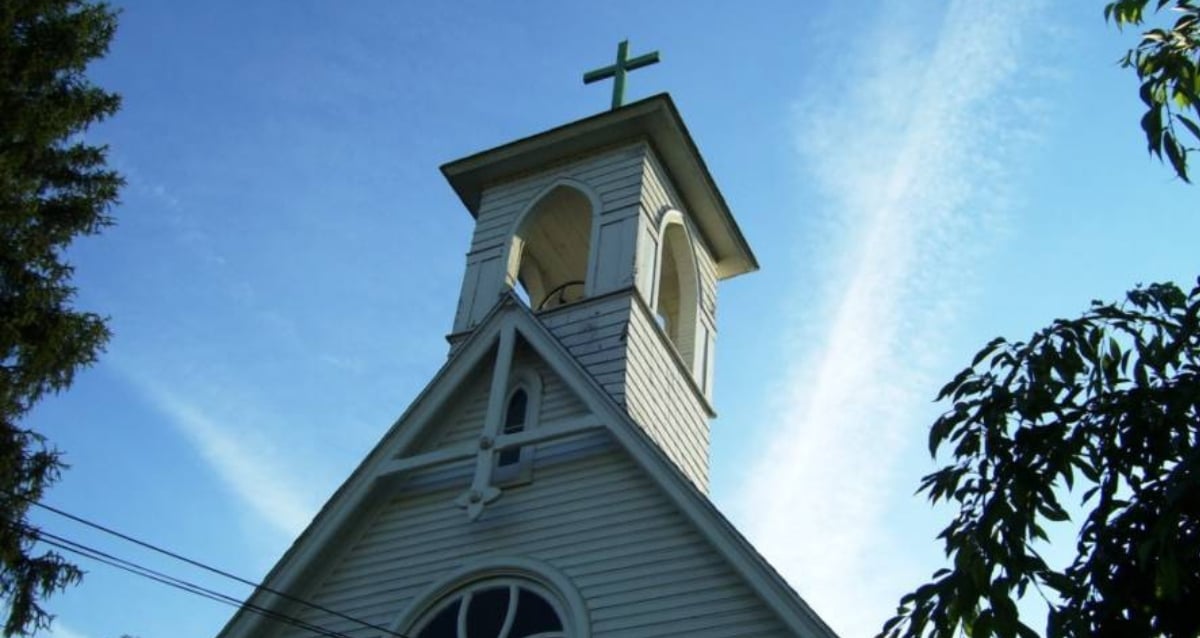
As the years passed and whispers of abandoned structures spread throughout the region, tales began to circulate about a haunted side to Helltown. These eerie legends, woven into the fabric of local lore, painted a picture of a place where spirits lingered and shadows danced in the moonlight. One chilling story tells of a satanic church hidden deep within the woods, its sinister rituals echoing through the ages. Others speak of a spectral school bus, where ghostly children met their tragic demise, forever trapped on their final journey home.
Then there’s the unsettling tale of a “Crybaby Bridge,” where parents would warn their children not to stop lest they hear the chilling wails of lost souls seeking solace. Adding to the eerie mystique is the legend of the Peninsula Python, said to have emerged from chemical contamination, slithering through the abandoned landscape like a monstrous guardian. These captivating stories, passed down through generations, transformed Helltown into more than just a forgotten community; it became a place where reality blurred with myth, attracting curious visitors and thrill-seekers eager to experience its haunting aura firsthand.
Echoes Of A Lost Community
Despite the chilling legends that shroud it, there’s a poignant undercurrent of sadness beneath the surface of Helltown. It stands as a haunting reminder of a once thriving community, its residents forcibly displaced by the tides of progress. Imagine the echoes of laughter fading from empty playgrounds, the silence hanging heavy in abandoned homes where families once gathered around crackling fireplaces, and the ghostly whispers of conversations lost to time.
While the government’s intentions behind acquiring land for Cuyahoga Valley National Recreation Area were noble, the human cost was undeniable. The sudden uprooting of a community tore at the very fabric of its identity, leaving behind an enduring sense of loss. It’s important to remember that beneath the layers of folklore and spectral tales lies the story of real people—families who built homes, raised children, and lived out their lives within these now-forgotten borders.
Their stories deserve to be heard, their sacrifices acknowledged, and their legacy honored. Helltown’s haunting beauty serves as a poignant reminder of the fleeting nature of time, the enduring power of human connection, and the complex consequences that can arise when progress intersects with personal history.