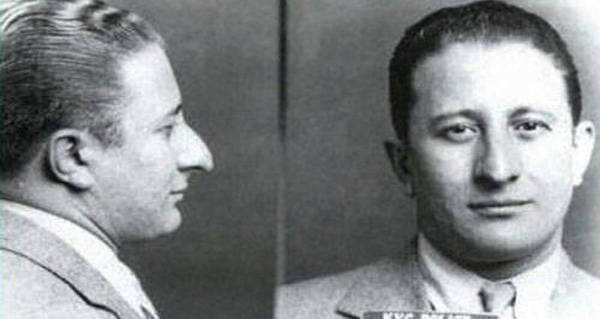
The world of organized crime is often shrouded in secrecy and intrigue, with shadowy figures pulling strings from behind the scenes. One such figure who left an indelible mark on this world was Carlo Gambino. His story isn’t just about violence and power; it’s a tale of ambition, strategy, and a relentless pursuit of control that ultimately saw him ascend to become one of the most powerful mafia boss ever.
Gambino’s journey began in Sicily, where he learned the ways of his family and honed his street smarts. His life took a dramatic turn when he immigrated to New York City in the early 20th century, joining the ranks of the American Mafia. He quickly proved himself capable, climbing through the ranks with cunning and ruthlessness during the Castellammarese War, a brutal power struggle that reshaped the criminal landscape.
This war served as Gambino’s crucible, forging him into a formidable leader. He understood the importance of alliances and strategy, always carefully calculating his moves to gain an advantage. His rise wasn’t just about muscle; it was about intelligence, foresight, and a keen understanding of how power works.
Early Life and Mafia Beginnings
Carlo Gambino’s early life in Sicily laid the foundation for his future as a powerful criminal figure. Born into a humble family in 1902, he grew up immersed in the traditions and culture of his Sicilian village. From a young age, he displayed a certain shrewdness and an understanding of the world that went beyond his years. While details about his childhood are scarce, it’s believed that exposure to the realities of poverty and limited opportunities shaped his worldview.
As a teenager, Gambino’s path began to intersect with organized crime. He likely witnessed firsthand the influence and power wielded by local Mafia bosses, learning their tactics and understanding the intricate web of loyalty and violence that governed their world. This early immersion in the criminal underworld would prove invaluable as he later navigated the treacherous waters of American organized crime.
By his early twenties, Gambino made a life-altering decision: to immigrate to New York City, escaping the confines of Sicily for the perceived opportunities of a new land. He arrived in America with little more than his wits and a burning ambition to carve out a place for himself. Little did he know that this move would propel him onto a path that would lead him to become one of the most powerful mafia boss ever.
The Castellammarese War and Gambino’s Rise
The early 1930s saw the American Mafia embroiled in a bloody and brutal conflict known as the Castellammarese War. This war wasn’t just about turf or territory; it was a power struggle for control of the entire criminal underworld. Carlo Gambino, newly arrived from Sicily, found himself thrust into this maelstrom, proving his worth with his cunning and ruthlessness. He quickly became a trusted lieutenant to Lucky Luciano, the mastermind orchestrating the war against rival factions.
Gambino’s strategic mind and tactical acumen were invaluable during this chaotic period. He understood the importance of alliances and betrayals, navigating the treacherous landscape with skill and precision. His willingness to take risks and his cold-blooded efficiency in eliminating enemies solidified his reputation as a formidable force within the ranks. As the war raged on, Gambino’s star continued to rise, establishing him as a key player in shaping the future of organized crime in America.
This brutal period not only forged ruthless leaders but also reshaped the very structure of the American Mafia. By the time the smoke cleared, Lucky Luciano had emerged victorious, consolidating power and laying the foundation for a new era of organized crime. And at his side stood Carlo Gambino, having proven himself worthy of a place among the elite, setting the stage for his own ascension to become one of the most powerful mafia boss ever.
 What Happened To Carolyn Warmus: Fatal Attraction Murder Case
Expanding Criminal Empire During World War II
The outbreak of World War II presented new and unprecedented opportunities for the American Mafia. With government resources stretched thin and black markets flourishing, organized crime saw a surge in illicit activities, providing fertile ground for expansion and profit. Carlo Gambino, ever the astute businessman, recognized this shift and wasted no time capitalizing on the chaos.
He expanded his family’s operations into a wide range of lucrative ventures, including bootlegging alcohol, gambling dens, and racketeering schemes that thrived under the cover of wartime urgency. Gambino used his connections and influence to ensure his enterprises flourished despite increased scrutiny from authorities. He understood the importance of discretion and maintaining a low profile, even as he amassed vast sums through these illicit activities.
This period solidified Gambino’s position as one of the most influential figures in organized crime, demonstrating his ability to adapt and thrive amidst changing circumstances. He proved himself capable of moving beyond traditional rackets, adapting to the wartime needs and exploiting the weaknesses exposed by conflict. By the war’s end, the Gambino family had become a formidable force, its coffers overflowing with ill-gotten gains and its influence extending far beyond New York City’s borders. Gambino was well on his way to becoming one of the most powerful mafia boss ever.
Reign as Boss and Control of the Commission
In 1957, after a carefully orchestrated power play that culminated in the assassination of Albert Anastasia, Carlo Gambino finally ascended to the helm of the Gambino family. His reign marked a new era for organized crime, characterized by increased professionalism, strategic expansion, and a calculated approach to maintaining power.
Gambino’s leadership transcended his own family, bringing him to the forefront of the national criminal landscape. He played a crucial role in establishing The Commission, a governing body composed of heads of major Mafia families across the country. This council served as a forum for resolving disputes, coordinating operations, and maintaining a semblance of order within the vast network of organized crime. Gambino’s presence on this high-level platform solidified his position as one of the most powerful mafia boss ever.
His rule wasn’t solely based on violence; he understood the importance of diversification and legitimate businesses as a way to launder money and maintain a façade of respectability. Gambino invested in construction, labor unions, and other ventures, building a financial empire that extended far beyond traditional criminal activities. This strategic move not only increased his wealth but also provided him with a layer of legitimacy that shielded him from unwanted scrutiny.
Legacy and Final Years
Despite facing numerous threats and attempts on his life, Carlo Gambino managed to maintain a low profile throughout his reign. He was known for his discretion, rarely appearing in public or engaging in ostentatious displays of wealth. This careful approach allowed him to evade capture and operate with relative impunity for decades.
His legacy as one of the most powerful mafia boss ever is both complex and enduring. While he undoubtedly orchestrated acts of violence and corruption, Gambino also transformed the American Mafia into a sophisticated and highly structured criminal enterprise. He instilled a sense of discipline and professionalism within his ranks, paving the way for future generations of organized crime leaders.
Gambino’s reign ultimately came to an end in 1976 when he died from natural causes at the age of 74. His passing marked the end of an era, leaving behind a legacy that continues to fascinate and intrigue both historians and the general public alike. While his story is often shrouded in mystery and speculation, one thing remains clear: Carlo Gambino’s impact on the world of organized crime was profound and lasting.