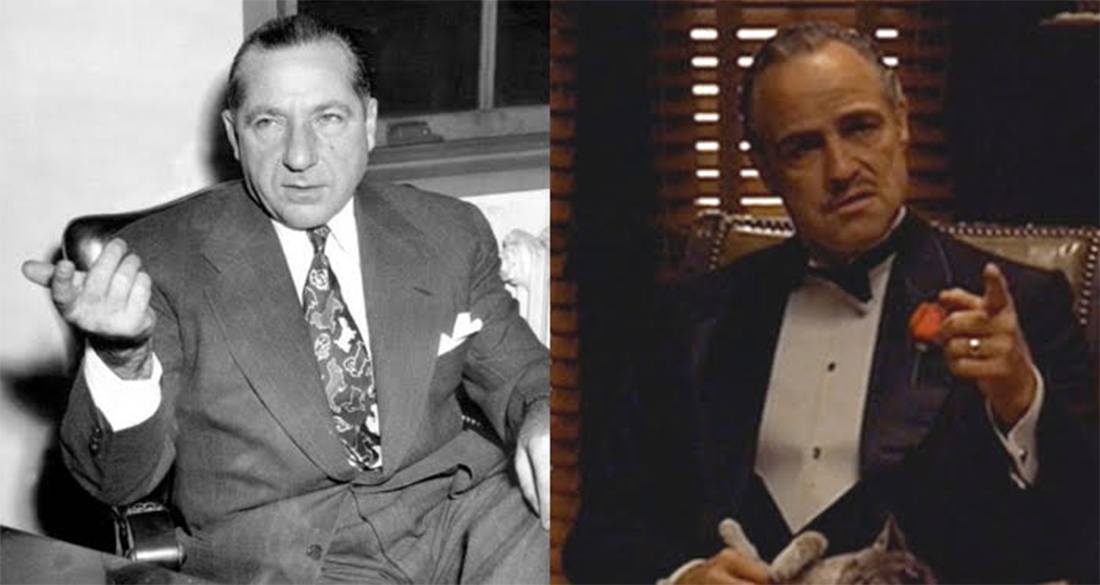
Stepping into the shadowy world of organized crime is like entering a labyrinth with hidden passages and ruthless players. One figure who navigated this treacherous terrain with cunning and audacity was Frank Costello. Though his name might not have the same immediate recognition as some other mob bosses, Costello’s influence ran deep, shaping the landscape of American organized crime for decades. He rose from humble beginnings in street crime to become a titan, earning the moniker “The Prime Minister of the Underworld” for his strategic brilliance and political savvy.
Costello’s story is one of ambition, alliances, and survival. Imagine a young Costello, fresh out of prison after an armed robbery conviction, joining forces with the enigmatic Lucky Luciano. This meeting sparked a powerful connection that would reverberate through the criminal underworld. Together, they built a vast empire during Prohibition, capitalizing on the booming bootlegging industry. Costello’s sharp mind allowed him to see beyond the immediate profits, recognizing the need for structure and organization. He played a pivotal role in establishing Frank Costello and Bumpy Johnson‘s American National Crime Syndicate, bringing together various mob families under a common banner.
Think of Costello as a conductor orchestrating a complex symphony of illicit activities. From gambling dens to political influence peddling, he diversified his empire, ensuring that every note played contributed to the overall harmony of his power. Even when facing threats from rivals like Vito Genovese, who ordered an assassination attempt against him, Costello’s ability to adapt and maneuver kept him one step ahead. His story is a testament to the allure and danger of organized crime, reminding us that sometimes even in the darkest corners, those with cunning and ambition can rise to the top.
From Street Crime to Underworld Leader
Costello’s journey to the top wasn’t a straight path paved with wealth and power. It started much more humbly, on the gritty streets of New York City where he first encountered the allure of criminal activity. Think of a young Costello, soaking up the lessons of survival in a world where loyalty was measured in bullets and street smarts were currency. His early days involved petty theft, racketeering, and eventually landed him behind bars for armed robbery.
But prison wasn’t a holding cell; it was a crucible that forged his future ambitions. It’s during this time that the seeds of Frank Costello and Bumpy Johnson’s future power alliance were sown. He began to observe the dynamics of organized crime, learning from seasoned criminals the intricacies of control, influence, and ruthlessness. When he emerged from prison, he was a changed man – sharper, more calculating, and ready to seize his chance.
He quickly gravitated towards the burgeoning world of bootlegging during Prohibition. Costello understood that this legal vacuum presented an opportunity for those willing to take risks and play by their own rules. He wasn’t just interested in quick profits; he saw the bigger picture – a network of power built on alliances, intimidation, and strategic maneuvering. This era marked his ascent from street hustler to underworld player, laying the foundation for his future dominance.
Costello’s Rise Through the Ranks
Costello’s early connections proved invaluable as he navigated the treacherous waters of organized crime. Picture him, a young up-and-comer, meeting with established figures like Lucky Luciano, who was already making waves in the underworld. This encounter wasn’t just about casual conversation; it was a strategic move, a calculated risk that would change the course of Costello’s life. He quickly demonstrated his intelligence and ambition, proving himself worthy of Luciano’s trust and respect.
Together, they formed an alliance that reshaped the landscape of organized crime during Prohibition. Costello wasn’t just content with carrying out orders; he envisioned a more structured, unified system. This led to his involvement in the creation of the American National Crime Syndicate, a powerful umbrella organization that united various mob families under its control. Imagine Costello as a brilliant architect, meticulously designing a blueprint for organized crime, ensuring that every piece fit perfectly into the larger structure.
His influence extended beyond mere numbers and territories. He understood the importance of political connections and cultivated relationships with influential figures in government and law enforcement. This created a web of protection and ensured his operations remained relatively untouchable. Frank Costello and Bumpy Johnson’s combined efforts solidified their place as powerhouses within the underworld, leaving an indelible mark on organized crime history.
 Frank Nitti Died: The Enforcers Tragic End
Power, Politics, and the American Mafia
Costello’s reign wasn’t solely built on brute force; it was a carefully orchestrated blend of power, politics, and shrewd business acumen. Think of him as a chess grandmaster, always several moves ahead, anticipating his opponents’ strategies and maneuvering to maintain control. His influence seeped into the highest echelons of society, blurring the lines between legitimate businesses and underworld operations.
He understood that wealth could be laundered through seemingly legitimate ventures, creating a smokescreen for his illicit activities. Costello invested in slot machines, casinos, and various other enterprises, generating vast sums of money while maintaining a facade of respectability. This strategy allowed him to operate with impunity, accumulating a fortune that dwarfed his criminal endeavors. Frank Costello and Bumpy Johnson’s combined influence extended beyond the borders of New York City, reaching into political circles across the country.
Costello understood that power resided not only in physical force but also in shaping public opinion and manipulating those who held sway over legislation. He cultivated relationships with politicians, law enforcement officials, and even journalists, ensuring that his actions remained largely unchallenged. This intricate web of influence cemented his position as a formidable figure, one whose reach extended far beyond the confines of organized crime.
Legacy and Impact on Organized Crime
Even after stepping down from the helm of the Luciano family, Costello’s influence persisted. His legacy as a master strategist and cunning operator echoed throughout organized crime circles for decades to come. Think of him as a guiding force, even in his twilight years, shaping the strategies and tactics employed by future generations of mobsters. His name became synonymous with power, ambition, and the ruthless pragmatism that defined the underworld.
While he faced legal challenges and convictions, his impact on organized crime’s structure and evolution remains undeniable. Costello helped establish the blueprint for modern-day criminal enterprises – a network of interconnected operations, legalized front businesses, and political influence that blurred the lines between legitimate commerce and illicit activities. Frank Costello and Bumpy Johnson’s combined influence solidified their place as pivotal figures in the American Mafia’s history, leaving an enduring mark on the landscape of organized crime.
His story serves as a reminder that even in a world shrouded in secrecy, those with vision, ambition, and strategic brilliance can leave an indelible mark on history. Costello’s name might fade from public memory, but his influence continues to resonate within the shadowy corridors of organized crime, forever shaping its narrative.
The Final Years of a Mobster Legend
Despite his power and influence, Costello’s later years weren’t without their challenges. The once unshakeable titan faced increasing scrutiny from law enforcement agencies determined to bring down organized crime. Imagine him as a cornered lion, his movements more cautious, his grip on power slightly loosened by the relentless pressure of investigations and legal battles. The Kefauver hearings in 1950-51 exposed the inner workings of organized crime, putting Costello directly in the spotlight.
His infamous “Paid my taxes!” quip during these hearings, while seemingly dismissive, backfired spectacularly. It fueled public outrage and led to multiple convictions and prison sentences, ultimately diminishing his influence within the underworld. Think of it as a symbolic fall from grace for a man who had once seemed invincible.
Yet, even in his twilight years, Costello remained a figure of fascination and intrigue. He lived out the rest of his days under constant surveillance, yet his name continued to be whispered in hushed tones throughout organized crime circles. He died in 1973 at the age of 82, leaving behind a complex legacy – a testament to both the allure and the dangers of power within the criminal underworld. Frank Costello and Bumpy Johnson, despite their differences, remain intertwined figures in the tapestry of American organized crime history.