The roaring twenties, a decade defined by jazz music, flapper dresses, and a booming economy, also witnessed the rise of a sinister force: organized crime. With the passage of the 18th Amendment in 1920, which ushered in nationwide Prohibition, the government inadvertently created a vacuum that was quickly filled by cunning entrepreneurs who saw opportunity in the illegal trade of alcohol. This era gave birth to some of history’s most notorious figures – famous gangsters 1920 like Al Capone and Bonnie and Clyde – whose exploits captivated public imagination.
While some romanticized these outlaws as rebels fighting against an unjust system, their actions had devastating consequences for countless communities. They engaged in brutal turf wars, extortion rackets, and violent acts that terrorized citizens and law enforcement alike. The Prohibition era became a breeding ground for corruption, with politicians and law enforcement officials often complicit in the gangsters’ schemes.
The public was both fascinated and horrified by these brazen criminals who seemed to operate above the law. Their stories filled newspapers and magazines, becoming fodder for Hollywood films that further immortalized their legendary status. Yet, amidst the glamour and notoriety, the reality of their reign was one of violence, fear, and societal decay.
The Rise of Organized Crime During Prohibition
The 18th Amendment, enacted in 1920, outlawed the manufacture, sale, and transportation of alcohol across the United States. This seemingly noble attempt to curb social ills inadvertently fueled the rise of organized crime. Criminal syndicates saw a golden opportunity in this newfound prohibition. Speakeasies sprung up in every city, offering illicit cocktails to eager patrons, while bootleggers risked their necks transporting liquor from Canada or Mexico across state lines.
The burgeoning alcohol trade became a lucrative business for these criminal enterprises. They operated with ruthless efficiency, establishing intricate networks of suppliers, distributors, and enforcers. These gangs weren’t just peddling booze; they were building empires, amassing wealth through extortion, gambling rackets, and other illegal activities. Powerful figures emerged from the shadows, consolidating their control over entire cities and corrupting law enforcement officials at every level.
The American public, meanwhile, found itself caught in a complex web of legal ambiguity and social upheaval. While many supported Prohibition’s ideals, others resented its infringement on personal liberty. The era was marked by a sense of moral decay and widespread disillusionment, a fertile ground for the growth of organized crime.
Notorious Figures of the Era
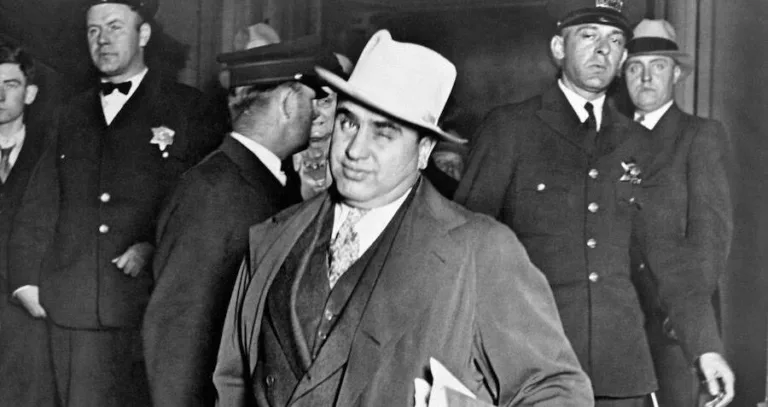
The Prohibition era gave rise to a cast of characters that would become synonymous with organized crime. Some were notorious for their ruthlessness, others for their cunning, and some for their sheer audacity. Al Capone, the “Scarface” of Chicago, built a vast criminal empire through his control of the bootlegging industry, becoming a household name despite, or perhaps because of, his violent reputation. Bonnie and Clyde, the outlaw couple who terrorized the Midwest during the Great Depression, captured the public’s imagination with their daring bank robberies and shootouts with law enforcement.
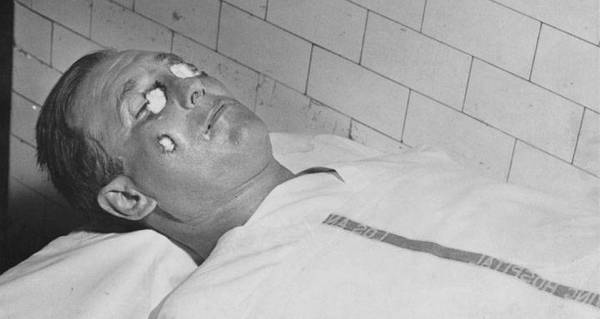
These stories were just glimpses into the larger picture of notorious figures that populated this era. George “Baby Face” Nelson, a cold-blooded killer, evaded capture for years before meeting his end in a shootout with the FBI. John Dillinger, known for his charisma and daring bank heists, became a folk hero to some who saw him as Robin Hood fighting against an oppressive system. Each of these individuals left their mark on history, shaping public perception of organized crime and its impact on American society.
Their exploits were often sensationalized in the media, blurring the lines between fact and fiction. They became symbols of a turbulent time, embodying both the allure and the danger of the criminal underworld.
 Famous Backstabbers: Brutus & Judass Betrayals Through History
Famous Gangsters and Their Public Image
The public image of famous gangsters was a complex and often contradictory one. On the surface, some captivated the imagination with their daring exploits, charm, and disregard for authority. They were romanticized as rebels fighting against an unjust system, larger-than-life figures who seemed to live by their own rules. Newspapers and magazines sensationalized their stories, portraying them as folk heroes or tragic outlaws, often blurring the lines between fact and fiction.
However, beneath this glamorous veneer lay a darker reality. Their actions had devastating consequences for countless individuals and communities. The violence, corruption, and exploitation that characterized their empires could not be ignored. Public sentiment shifted over time, with growing awareness of the true cost of organized crime’s reign.
By the end of the Prohibition era, the public perception of these gangsters began to change. The allure of rebellion faded as the brutality and consequences of their actions became more apparent. They were no longer seen as romanticized figures but as dangerous criminals who needed to be brought to justice.
Law Enforcement’s Response to Gang Violence
The surge in gang violence during Prohibition posed a significant challenge to law enforcement agencies ill-equipped to handle the sophisticated criminal networks operating across the country. Local police departments were often overwhelmed and corrupted by these powerful gangs, leaving citizens vulnerable to their brutality. Recognizing the need for a more coordinated response, Attorney General Harry Daugherty established the Bureau of Investigation in 1908, which would later evolve into the FBI under J. Edgar Hoover’s leadership.
Hoover understood that combating organized crime required a new approach. He shifted the focus from simply apprehending individuals to dismantling entire criminal enterprises. The FBI began using innovative investigative techniques, including wiretaps and undercover operations, to gather intelligence and build cases against high-ranking gangsters. They prioritized pursuing federal charges, bypassing local law enforcement that was often compromised by these criminal organizations.
The FBI’s efforts met with some success in bringing down notorious figures like Al Capone. However, the fight against organized crime remained a persistent battle throughout the 20th century. The legacy of law enforcement’s response to gang violence during Prohibition serves as a reminder of the enduring challenge posed by criminal enterprises and their ability to adapt and exploit societal vulnerabilities.
Echoes of the Underworld Today
While the era of Prohibition and its infamous gangsters may seem like a relic of the past, echoes of their influence can still be felt in modern society. The organizational structures and operational tactics employed by these early criminal enterprises laid the groundwork for sophisticated organized crime groups that continue to operate today. From drug trafficking to financial fraud, the underworld has evolved with the times, adapting its methods to exploit new opportunities and circumvent law enforcement efforts.
The public fascination with gangster culture persists as well, evidenced by the enduring popularity of movies, television shows, and books that romanticize their exploits. This ongoing interest reflects a complex societal fascination with power, rebellion, and the blurred lines between right and wrong. While it’s important to remember the real-life consequences of organized crime, there’s no denying its captivating allure and enduring impact on popular culture.
The fight against organized crime remains a constant battle, demanding vigilance and innovation from law enforcement agencies worldwide. As criminal networks become increasingly globalized and technologically advanced, the challenge of dismantling them continues to evolve. The lessons learned from the underworld of the Prohibition era serve as a reminder that the pursuit of justice is an ongoing process, requiring adaptation and collaboration to effectively combat organized crime in all its forms.