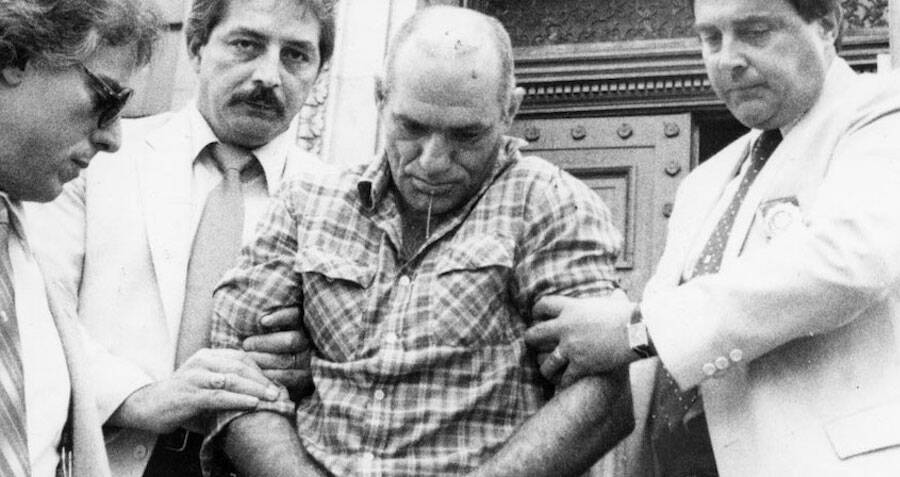
The haunting legend of the Cropsey Killer has captivated and horrified audiences for decades, rooted in the chilling true story of Andre Rand, a man accused of abducting children from a Staten Island community. This tale intertwines urban legends with real-life terror, making it a deeply unsettling narrative that continues to resonate today.
In the heart of this dark saga lies **Cropsey Killer: The Terrifying True Story of Andre Rand**, which explores the grim realities behind Rand’s actions and the impact they had on the local populace. As details emerge about Rand’s life and the gruesome events surrounding his apprehension, the line between myth and reality blurs, revealing a story that is as disturbing as it is fascinating.
The Chilling Legend of Cropsey: Unraveling the Myth of Andre Rand
The legend of Cropsey is more than just a haunting ghost story; it serves as a chilling reminder of the very real dangers that can exist in seemingly safe communities. This urban legend, which centers around Andre Rand, has evolved over time, leading to a mix of fact and fiction. The idea that a monstrous figure lurks in the shadows has instilled fear in the hearts of many, creating a narrative that echoes through generations.
As we delve deeper into the myth of Cropsey, it becomes clear that Andre Rand’s troubled past plays a significant role in shaping the legend. Known for his erratic behavior and connections to missing children, Rand’s life story fuels the darker aspects of the Cropsey narrative. His history of mental illness and transient lifestyle only adds layers to the already complex tale of terror that surrounds him.
To understand the impact of Cropsey on the Staten Island community, it’s essential to consider the psychological effects of such legends. Many locals reported feelings of anxiety and paranoia, affecting their everyday lives. Some of the ways the myth has influenced the community include:
- Increased vigilance among parents regarding their children’s safety.
- Heightened awareness of local crime and missing persons cases.
- Community gatherings focused on sharing stories of safety and awareness.
Ultimately, the story of Andre Rand and the Cropsey Killer serves as a cautionary tale that melds horror with reality. It challenges us to confront our fears about safety and the unknown, while also highlighting the importance of community solidarity in the face of such chilling legends. As the myth continues to evolve, it remains a powerful reflection of the darker side of human nature and societal fears.
Who Was Andre Rand? A Deep Dive into the Life of the Cropsey Killer
Andre Rand, often referred to as the Cropsey Killer, is a figure shrouded in mystery and fear. Born in 1944, Rand had a troubled upbringing marked by instability and mental health issues. His life took a dark turn when he became associated with a series of child abductions in the 1980s on Staten Island, which ultimately led to his arrest. This connection to the infamous urban legend of Cropsey has forever cemented his place in the annals of true crime.
The transformation of Rand from a man living on the fringes of society to a notorious criminal figure highlights his complex personality. Known for his erratic behavior and transient lifestyle, he was a familiar face in the local community. Many residents described him as a loner who often wandered the streets, which contributed to the growing fears surrounding his involvement in the disappearances of children. His mere presence sparked suspicion and dread among the locals.
In 1987, Rand’s fate took a decisive turn when he was charged with the kidnapping of a 5-year-old girl, which led to a broader investigation into his past. During the search for missing children, authorities uncovered disturbing evidence linking him to multiple cases. Notably, his previous convictions for child molestation only intensified the horror surrounding his image. The following key points outline his criminal history:
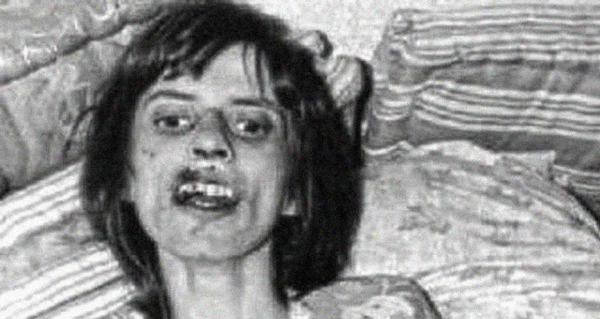
 How Did Anneliese Michel Die? The Exorcism Of Anneliese & Emily Rose
- 1970s: Conviction for child molestation.
- 1987: Arrest for the abduction of a young girl.
- 1990s: Additional investigations into disappearances connected to his whereabouts.
Despite his conviction and the overwhelming evidence against him, the legend of Andre Rand persists in popular culture. His story is a chilling reminder of how real-life horrors can inspire urban legends that haunt communities for generations. As the narrative of the Cropsey Killer continues to evolve, Andre Rand remains a haunting figure, embodying the fears and concerns surrounding child safety and the darker aspects of human nature.
The Disappearance of Children on Staten Island: A Timeline of Events
The timeline of child disappearances on Staten Island paints a grim picture of fear and uncertainty that gripped the community throughout the late 20th century. The unsettling series of events began to unfold in the 1970s, with reports of missing children becoming alarmingly frequent. This period marked the rise of anxiety among parents and an increasing spotlight on the local authorities’ ability to protect their most vulnerable citizens.
In the early 1980s, a string of disappearances raised questions and fears about the safety of children in the area. Key events included:
- 1972: The disappearance of 6-year-old George O’Connell, who vanished while playing outside.
- 1983: The case of 7-year-old Patricia O’Brien, who went missing after leaving school.
- 1984: The last sighting of 5-year-old Jennifer O’Rourke at a local playground.
These tragic cases resulted in heightened police activity and community vigilance, with many residents forming search parties in hopes of finding the missing children. The fear surrounding these incidents not only traumatized families but also created an atmosphere of suspicion that led to the emergence of the Cropsey legend, linking Andre Rand to these disappearances.
The culmination of these events came in 1987 when Rand was arrested, serving as a turning point in the narrative of child safety on Staten Island. As investigations continued, the local community was forced to confront the harsh reality of the dangers that lurked within their neighborhoods, forever altering the perception of safety in the area.
Understanding the Psychology Behind the Cropsey Killer
Understanding the psychology behind the Cropsey Killer requires delving into the complexities of fear, trauma, and societal reactions to extreme behaviors. The legend of Andre Rand serves not only as a cautionary tale but also as a reflection of communal anxieties regarding child safety and vulnerability. These fears are often amplified by real-life events, shaping how a community responds to perceived threats.
Moreover, Rand’s history of mental illness and his isolation from society add layers to the understanding of his actions. The interplay between his psychological instability and the community’s fear of the unknown illustrates a broader theme of how society grapples with individuals deemed “other.” This dynamic can lead to a collective sense of dread, where individuals project their fears onto a single figure, reinforcing legends like that of the Cropsey Killer.
It’s essential to recognize the influence of urban legends on public perception. The Cropsey myth has created a framework through which the community processes trauma and loss, often manifesting in heightened vigilance among parents. Some psychological effects include:
- Increased anxiety about child safety.
- Community cohesion driven by shared fears.
- A tendency to scapegoat individuals who display nonconformity.
In essence, the story of Andre Rand and the Cropsey Killer encapsulates the darker side of human psychology, revealing how fear can warp perceptions and create myths that linger long after the events themselves. As these narratives unfold, they challenge us to confront not just the horrors of the past but also our reactions to the complexities of human behavior.
The Impact of Cropsey on Staten Island: Fear and Urban Legend
The Cropsey legend has had a profound impact on Staten Island, transforming fear into a potent urban myth. This narrative, rooted in the real-life horrors associated with Andre Rand, has incited a collective anxiety that permeates the community. As tales of the Cropsey Killer spread, residents began to internalize the fear, altering their behaviors and instilling a more cautious approach to child safety. The legend serves as a haunting reminder of the potential dangers lurking in familiar places.
Moreover, the influence of Cropsey has fostered a unique culture of vigilance among Staten Island residents. Parents have become increasingly aware of their children’s whereabouts, often engaging in discussions about safety that center around the narrative of Rand. This heightened vigilance is reflected in community events aimed at educating families about potential dangers and promoting neighborhood watch programs. Such initiatives underline the lasting psychological effect that the legend has had on local perceptions of safety.
Community gatherings, often fueled by stories of Cropsey, reveal how urban legends can bond residents through shared fears. As people recount their experiences or the narratives passed down through generations, a sense of solidarity emerges. This communal experience not only provides a platform for processing trauma but also reinforces the legend itself, creating an ongoing cycle of fear and fascination that continues to echo through Staten Island.
In summary, the Cropsey legend has irrevocably shaped Staten Island’s cultural landscape, intertwining reality with myth. The fear surrounding Andre Rand’s actions has left an indelible mark on the community, influencing perceptions of safety and the behavior of its residents. As the myth evolves, it remains a chilling reflection of the anxieties surrounding child safety and the darker aspects of societal consciousness.
Media Representation of Andre Rand: From Local News to Documentaries
The media representation of Andre Rand, often dubbed the Cropsey Killer, has evolved significantly over the years. Initially portrayed through local news coverage, the narrative surrounding Rand focused on his connection to a series of child abductions in Staten Island. This coverage played a crucial role in shaping public perception, often sensationalizing the events to capture audience attention. As a result, many residents became increasingly fearful, linking Rand to the broader anxieties about child safety within their communities.
As time passed, the story of Andre Rand transitioned from local headlines to the realm of documentaries and feature films. This shift allowed for a deeper exploration of his life and the psychological elements behind his actions. Documentaries, in particular, aimed to shed light on the complex factors that contributed to Rand’s behavior, emphasizing aspects such as his mental health challenges and the impact of his upbringing. This multifaceted approach has helped to humanize a figure often reduced to a mere monster in sensationalized accounts.
The portrayal of Rand in media can be summarized through various formats that have emerged over the years. Below is a comparison of key media representations:
| Media Type | Focus | Impact |
|---|---|---|
| Local News | Child abductions and community fear | Heightened vigilance and anxiety among residents |
| Documentaries | Psychological exploration of Rand | Broader understanding of the complexities behind his actions |
| Feature Films | Entertainment with horror elements | Further entrenchment of the Cropsey myth |
This diverse representation in media highlights the enduring fascination with the Cropsey Killer narrative. While the sensational aspects of Rand’s story draw viewers in, the deeper explorations of his psyche offer a more nuanced understanding, evoking both fear and empathy. As the legend of Cropsey continues to evolve, so too does the conversation around mental illness and societal responsibility in addressing such dark narratives.