Filipino folklore is rich with captivating creatures and spirits, each holding a unique place in the cultural tapestry. Among these fascinating entities stands the aswang, a shapeshifting monster that has captured the imaginations of Filipinos for centuries. Tales of this terrifying being have been passed down through generations, weaving themselves into the fabric of everyday life and becoming deeply ingrained in the collective consciousness.
The aswang is often described as a creature with a dark and sinister nature, preying on humans, particularly vulnerable individuals like children and unborn fetuses. Its grotesque appearance, complete with bloodshot eyes, backward feet, and a proboscis-like tongue, adds to its menacing aura. This fearsome monster can disguise itself as an ordinary human during the day, blending seamlessly into society before unleashing its true form under the cover of night.
Legends surrounding the aswang in the Philippines are as diverse as the creatures themselves. Some stories portray it as a solitary predator while others depict them as organized groups, working together to deceive and terrorize their victims. While the exact origins of these tales remain shrouded in mystery, evidence suggests that they predate Spanish colonization, dating back to the 16th century when the Doctrina Christiana recorded accounts of these creatures.
The Three Types of Aswang
Delving deeper into the world of aswangs, we encounter a fascinating array of distinct types, each with its own unique characteristics and terrifying habits. While they share common traits like shapeshifting abilities and a taste for human flesh, their appearances and methods of hunting vary greatly.
One notable type is the Tik-tik, a creature resembling a bird with razor-sharp talons and a penchant for preying on pregnant women. It’s said to mimic the sounds of a crying baby, luring unsuspecting victims into its clutches. Another fearsome variety is the Sigbin, a grotesque beast that resembles a Tasmanian Devil, known for its backward feet and ability to blend in with shadows. Este monstruo a menudo acecha a su presa por la noche, utilizando su agudo sentido del olfato para rastrear a individuos vulnerables.
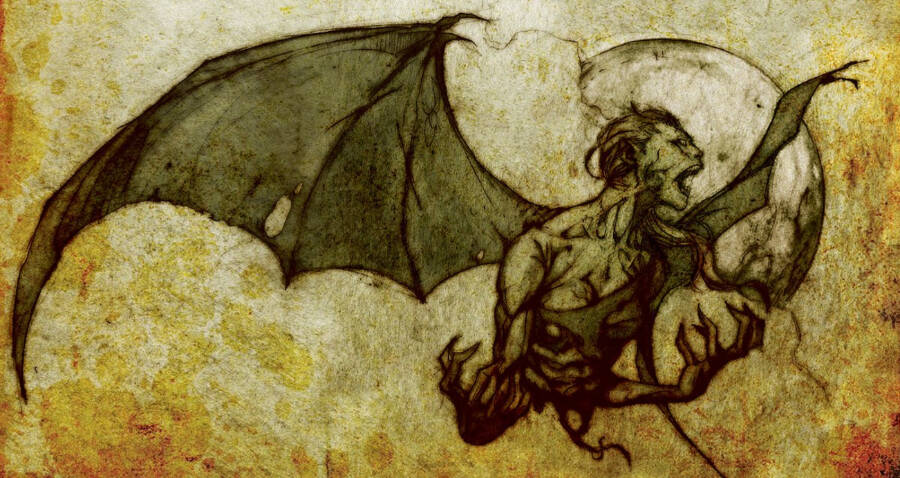
Quizás el tipo más icónico es el Manananggal, una aparición aterradora que se divide en dos partes: el torso superior, completo con alas, y la parte inferior, que se asemeja a una serpiente sedienta de sangre. El Manananggal puede separarse de su parte inferior y volar por el cielo nocturno, buscando víctimas desprevenidas para drenarlas de su sangre. Estos tres ejemplos representan solo una fracción del diverso y aterrador mundo de los aswang en el folclore filipino.
Aswang Lore and Historical Context
The stories of aswang in the Philippines, passed down through generations, are deeply entwined with the country’s historical and cultural landscape. Long before Spanish colonization, these tales were part of the indigenous belief system, sirviendo como recordatorios de precaución sobre los peligros que acechan en las sombras y la importancia de respetar la sabiduría ancestral. Estas criaturas no eran meros monstruos míticos; reflejaban ansiedades sociales, temores sobre la enfermedad, la violencia y lo desconocido.
The arrival of Spanish colonizers in the 16th century had a profound impact on aswang lore. The Spanish attempted to suppress indigenous spiritual practices, often demonizing them as pagan rituals. In this context, stories of aswangs, with their monstrous forms and bloodthirsty nature, became convenient tools for reinforcing colonial control. The tales of these creatures were used to instill fear among Filipinos, discouraging resistance and promoting obedience to the new regime.
Even during the Cold War, aswang lore was manipulated for political purposes. The CIA, seeking to discredit communist rebels, exploited the existing fear of aswangs, spreading rumors about their alleged involucramiento con simpatizantes comunistas. This shows how deeply ingrained these stories are in Philippine society and how they can be manipulated to serve various agendas.
 Billionaires Murdered: The Unsolved Death of Barry & Honey Sherman
Folklore vs. Reality: Explanations for Sightings
While the tales of aswang in Filipino folklore are undeniably captivating, separating fact from fiction can be a tricky endeavor. Many sightings throughout history can be attributed to a combination of factores, blurring the lines between reality and superstition. One prevailing explanation is misidentification of animals or natural phenomena.
In the dimly lit corners of rural areas, with limited access to modern technology, people might have mistaken nocturnal creatures like owls or large bats for the elusive aswang. Similarly, unusual weather patterns or light tricks could create eerie illusions that fueled fear and speculation. Other theories propose that sightings might stem from genetic diseases or neurological conditions, such as XDP, which can cause hallucinations and distorted perceptions.
Ultimately, the question of whether the aswang exists as a real creature remains unanswered. While there’s no scientific evidence to prove its existence, the enduring power of these stories suggests a deep-seated human fascination with the unknown and our tendency to weave narratives that explain the unexplainable. Are aswang real? This question continues to spark debates among folklorists and skeptics alike. Whether viewed as a product of imagination or a reflection of cultural anxieties, aswangs continue to captivate and terrify generations of Filipinos, recordando la perdurable fuerza del folclore.
Cultural Impact and Legacy
The influence of aswang lore extends far beyond the realm of folklore, permeating various aspectos de la cultura filipina y dejando una marca indeleble en la sociedad. En literatura, cine y televisión, el aswang se ha convertido en un tema popular, sirviendo como fuente de inspiración para historias escalofriantes que continúan cautivando al público.
These tales have also been adapted into numerous theatrical productions and even comic books, demonstrating the enduring appeal of this terrifying creature. The impact of aswang lore can also be seen in everyday Filipino life. Certain foods and practices are believed to ward off aswangs, reflecting a deep-seated cultural awareness of these criaturas. Even today, warnings about aswangs are sometimes used to instill caution in children, reminding them to be mindful of their surroundings and potential dangers.
This enduring presence in popular culture speaks volumes about the power of aswang lore. It serves as a reminder of the rich tapestry of Filipino traditions and beliefs, showcasing the country’s unique cultural heritage. Whether interpreted as cautionary tales or simply captivating stories, aswang continue to fascinate and fuel our imaginations, recordando la atracción perdurable de lo desconocido.
Beyond Myth
While many dismiss aswangs as mere products of folklore, their enduring presence in Filipino culture suggests a deeper significance. These creatures tap into universal human fears and anxieties about the unknown, the dangers lurking in the shadows, and the fragility of our own mortality. The stories serve as cautionary tales, reminding us to be aware of our surroundings, protect ourselves from harm, and respect the boundaries between the seen and unseen worlds.
Furthermore, the aswang can be interpreted as a symbol of societal anxieties and cultural tensions. The creature’s monstrous form often represents the fear of the “other,” those who are different or marginalized. In this context, the story of aswang reflects broader social issues and power dynamics within Filipino society.
Ultimately, whether viewed through the lens of folklore, psychology, or sociology, the aswang remains a compelling and enduring figure. Its continued presence in Philippine culture speaks volumes about its power to captivate our imaginations, provoke our fears, and illuminate aspects of the human experience that transcend time and place. Are aswangs real? This question may never be definitively answered, but the legends will continue to thrive, reflecting our fascination with the mysteries of life.