Step back in time to 17th-century Italy, a period marked by both artistic brilliance and unsettling secrets. Hidden within this world of elegance and intrigue was a chilling tale involving a poison so insidious it could bring down even the mightiest of men. This wasn’t your typical vial of arsenic or belladonna; it was Aqua Tofana, a colorless, odorless, and tasteless liquid disguised as a simple ointment.
Created by Giulia Tofana, a cunning woman who operated a covert apothecary in Rome, Aqua Tofana became the weapon of choice for hundreds of women desperate to escape unhappy marriages or secure their inheritance. Imagine a wife facing a cruel husband, trapped in a loveless union. With no other options available, she might turn to Giulia Tofana’s poison as a way out, slowly and silently eliminating her adversary. The poison disguised itself so well that it often mimicked the symptoms of illness, making it difficult to detect foul play.
Over time, Aqua Tofana became infamous, weaving its way into the fabric of Italian folklore. Even centuries later, stories of its use continue to fascinate and horrify us. It’s a chilling reminder of how desperation can lead to unthinkable acts, and how even the most innocent-looking substance can harbor deadly secrets.
Aqua Tofana: A Deadly Elixir
The exact recipe of Aqua Tofana remains a mystery, shrouded in the shadows of history. However, it’s widely believed that Giulia Tofana combined a deadly cocktail of arsenic, lead, and belladonna to create her infamous poison. These ingredients, readily available at the time, were known for their toxic properties. Arsenic, a colorless and odorless substance, could induce vomiting, diarrhea, and ultimately death. Lead poisoning caused weakness, paralysis, and severe organ damage. And belladonna, with its alluring name, masked a deadly secret – its extract could lead to hallucinations, dilated pupils, and respiratory failure.
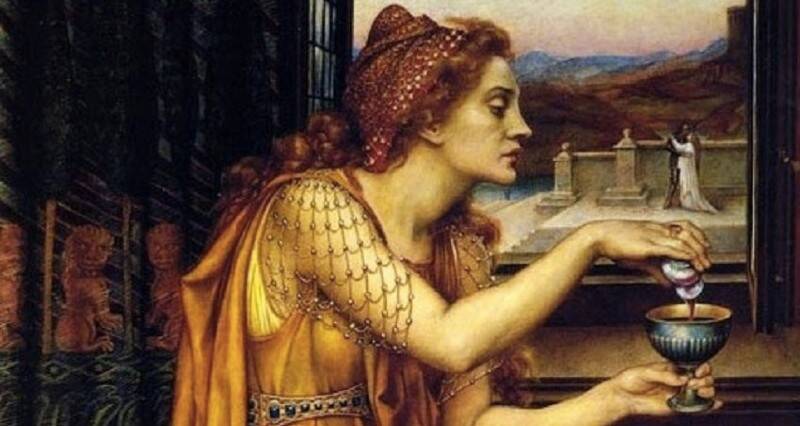
Tofana’s genius lay in her ability to blend these potent poisons into a seemingly harmless ointment. Imagine it: a small pot of cream, designed to soothe the skin, hiding within it a lethal concoction capable of ending a life. This deceptive nature made Aqua Tofana all the more terrifying, as its victims were often unaware they were ingesting poison until it was too late.
The poison’s insidious effects typically manifested gradually, mimicking the symptoms of a common illness. A victim might initially experience nausea and stomach cramps, followed by weakness, confusion, and eventually, a coma. This gradual decline made it difficult to suspect foul play, allowing Tofana’s clients to carry out their deadly plans with relative impunity.
Giulia Tofana and Her Poisonous Concoction
At the heart of this dark tale lies Giulia Tofana, a woman shrouded in both mystery and infamy. She was more than just a poison seller; she was a cunning businesswoman who understood the desperation of her clientele. Imagine a bustling apothecary in Rome, filled with jars of herbs and essential oils. But hidden among these seemingly harmless products was Aqua Tofana, ready to be dispensed to those seeking an escape from their miserable lives. Giulia Tofana expertly played this double role, offering beauty treatments while secretly supplying poison to women trapped in unhappy marriages or desperate for financial gain.
Tofana’s life remains somewhat of a puzzle. We know she operated her apothecary in Rome during the 17th century and gained a reputation for being able to “solve problems” for her female clients. Her methods were discreet, relying on word-of-mouth and covert meetings. Women would flock to her shop, seeking her counsel and ultimately, a solution to their woes. It’s believed that Tofana charged exorbitant prices for her poison, exploiting the desperation of those who turned to her in times of need.
Despite her success, Tofana’s reign of terror eventually came to an end. Her downfall was likely triggered by one of her clients who, after a change of heart, confessed to using Aqua Tofana to kill her husband. This confession led to investigations that ultimately unraveled Tofana’s entire operation. She was arrested, tortured, and executed alongside her associates.
 Anthony Senter Released: Gemini Twins Violent Crime Spree
The Rise and Fall of a Female Assassin
The story of Giulia Tofana is more than just a tale of poison and intrigue; it’s a glimpse into the complex lives of women in 17th-century Italy. Facing limited opportunities and societal constraints, many women found themselves trapped in unhappy marriages or struggling to survive financially. This desperation created an environment where Aqua Tofana became a tempting solution, offering a seemingly painless way out of their predicament.
Tofana’s success stemmed from her ability to understand the needs and desires of her clients. She wasn’t just selling poison; she was providing a service, a way for women to reclaim control over their destinies. Think of it like this: imagine being trapped in a loveless marriage, with no legal recourse or social support. The pressure could be immense, leading some desperate women to seek out Tofana’s deadly concoction as a means of escape.
However, Tofana’s reign ultimately came crashing down due to her own hubris and the actions of one remorseful client. Her downfall serves as a reminder that even the most carefully constructed schemes can be exposed by unforeseen circumstances or acts of conscience. It also highlights the complex social dynamics of the time, where desperate women were driven to extreme measures in search of freedom and autonomy.
Unmasking the Invisible Killer
Unmasking the invisible killer proved to be a difficult task for investigators of the time. Since Aqua Tofana was odorless and tasteless, it left little trace at the crime scene. Symptoms often mimicked those of common illnesses, further complicating matters. Imagine a doctor struggling to diagnose a patient experiencing vague symptoms like nausea, weakness, and confusion – how could they possibly suspect poison?
The investigation into Giulia Tofana’s operation relied heavily on eyewitness accounts from victims’ families, disgruntled rivals, and former customers who were willing to spill the beans. It wasn’t until one client confessed to using Aqua Tofana to kill her husband that authorities began to unravel the truth. Her confession opened a Pandora’s Box of secrets, leading to the arrest of Tofana and her associates.
The case ultimately highlighted the limitations of forensic science in the 17th century. It also shed light on the ingenuity of Giulia Tofana, who managed to conceal her deadly trade for so long by exploiting the lack of advanced detection methods available at the time.
Legacy of Deception
Though Giulia Tofana met a grisly end, the legacy of her deadly concoction – Aqua Tofana – lives on in history and popular culture. The story serves as a chilling reminder of how desperation can lead to unthinkable acts, and how even the most innocent-looking substances can harbor deadly secrets. It’s a tale that continues to fascinate and horrify us centuries later, reminding us of the enduring power of human fascination with poison and deception.
Even today, Aqua Tofana remains a symbol of subtle and undetectable poisons, often appearing in works of fiction and historical dramas. The story has been adapted into books, movies, and television shows, ensuring that Giulia Tofana’s legacy continues to capture the imagination of audiences worldwide. Her name has become synonymous with cunning, deception, and the dark side of human nature.
Despite its notoriety, Aqua Tofana offers a valuable lesson about the complexities of history and the human condition. It reminds us that even in seemingly civilized societies, darkness can lurk beneath the surface, driven by desperation, greed, and the desire for power.