
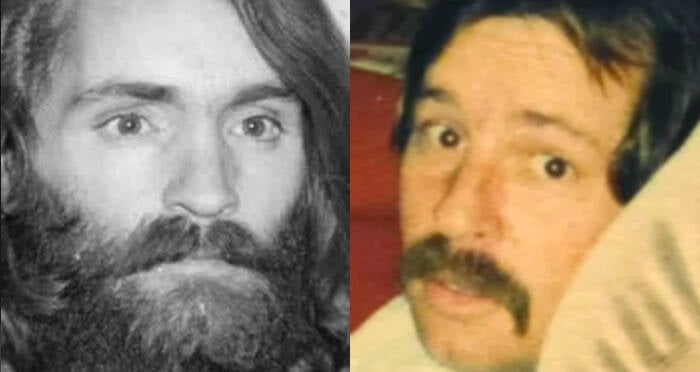
The story of Charles Manson Jr., later known as Jay White, is a tragic one, deeply intertwined with the notorious legacy of his father, Jay White Manson. Born into a family already marred by instability and chaos, young Charles struggled to forge an identity separate from the shadow of his infamous parent. Despite changing his name in a bid for anonymity and a fresh start, he remained forever linked to the violence and horror associated with the Manson Family’s crimes, including the gruesome 1969 murders of Sharon Tate and others.
This narrative delves into the complexities of Jay White’s life, exploring the profound impact his father’s actions had on his own journey. We will examine the weight of family tragedy that plagued his existence, from the untimely death of his stepfather’s son to the loss of his brother Jesse J. to a drug overdose in 1986. Ultimately, Jay White succumbed to the emotional burden of his father’s legacy, taking his own life in 1993.
This exploration extends beyond Jay White himself, encompassing the ripple effects felt by generations within the Manson family. We will meet Jason Freeman, Jay White’s son, who publicly acknowledges the shadow of infamy that hangs over his lineage. Despite struggling with this inherited curse, Jason seeks to forge a distinct path for himself, distancing himself from the notoriety associated with his grandfather and even engaging in attempts to understand the man behind the myth.
The Shadow of Infamy
The weight of his father’s infamy was a constant companion for Jay White. Even after legally changing his name, he couldn’t escape the association with the Manson Family and the horrific crimes they committed. Every news story, every documentary, every mention of Charles Manson inevitably brought unwanted attention to Jay White. The public’s fascination with his father’s dark legacy cast a long shadow over his own life, making it difficult for him to live a normal existence.
Imagine constantly being defined by something you had no hand in creating – that was Jay White’s reality. He was judged, scrutinized, and stereotyped simply because of his bloodline. The media often sensationalized his story, painting him as either a troubled soul destined to follow in his father’s footsteps or a victim trapped in the clutches of family notoriety. Neither portrayal accurately reflected the complexities of his life. He craved normalcy, anonymity, and the chance to forge his own path.
The burden of this inherited infamy took a heavy toll on Jay White’s mental and emotional well-being. He struggled to form meaningful relationships, fearing judgment and rejection. The constant reminders of his father’s crimes fueled feelings of guilt, shame, and inadequacy. This ongoing internal struggle likely contributed to the tragic circumstances that ultimately ended his life.
A Life Under Constant Scrutiny
Life for Jay White was a constant balancing act between seeking normalcy and being thrust into the spotlight due to his infamous lineage. Every attempt to live a private life seemed destined to be thwarted by media attention and public curiosity. He yearned for anonymity, to blend in with the crowd and simply exist without the weight of his family name attached to him. This desire for privacy often clashed with the reality that he was perpetually under scrutiny.
Any move Jay White made could potentially become headline news. His employment choices, social interactions, even minor personal events were subject to speculation and analysis by those fascinated by the Manson family saga. This relentless exposure took a toll on his mental health, exacerbating feelings of anxiety and isolation. He longed for the freedom to make decisions without the fear of judgment or consequences stemming from his father’s actions.
Despite these challenges, Jay White attempted to create a semblance of normalcy for himself. He held down jobs, tried to cultivate friendships, and sought solace in hobbies that provided him with a sense of personal fulfillment. However, the constant pressure of living under a microscope made it incredibly difficult to build a stable and meaningful life. The shadow of his father’s infamy loomed over every aspect of his existence, leaving him perpetually caught between two worlds – one he desperately wanted to belong to and another that was forever tied to his family’s dark past.
 Charles Domery: The Soldier With an Unending Appetite
Tragedy and Loss Within the Family
Life within the Manson family was marked by deep tragedy and loss even before Jay White’s birth. His stepfather’s son, Jed, tragically died from a gunshot wound at the young age of 11, casting a dark cloud over their already unstable household. This event undoubtedly left its mark on Jay White’s childhood, shaping his understanding of family dynamics and the fragility of life itself.
Adding to this existing burden, Jay White experienced another profound loss when his brother, Jesse J., died from a drug overdose in 1986. This devastating event further underscored the destructive patterns that seemed to plague their family history. The weight of these tragedies undoubtedly contributed to Jay White’s own struggles with mental health and substance abuse later in life. He carried the grief and trauma of these losses, attempting to navigate a world that felt increasingly hostile and unpredictable.
It’s important to remember that Jay White Manson Jr., despite his father’s notoriety, was a human being who experienced profound pain and loss throughout his life. His story is a tragic reminder of the enduring impact of family trauma and the complexities of navigating a world where personal identity is often overshadowed by inherited legacies.
Seeking Escape, Finding No Solace
Jay White desperately sought escape from the suffocating grip of his family’s infamy. He changed his name, a symbolic attempt to shed the weight of his father’s legacy and forge a new identity for himself. He tried to build a life away from the constant scrutiny and judgment that came with being Charles Manson’s son. However, no matter how hard he tried, he couldn’t outrun the shadow cast by his heritage.
Every attempt at normalcy was met with reminders of who he was connected to. Job applications were rejected, friendships faltered under the weight of speculation, and even simple interactions with strangers often became tinged with suspicion. The world seemed to see him through the lens of his father’s crimes, preventing him from being truly seen or understood for who he was as an individual. This constant struggle for acceptance took a toll on his mental well-being, fueling feelings of isolation and hopelessness.
Jay White’s yearning for escape ultimately proved futile. The weight of his family history followed him wherever he went, trapping him in a cycle of despair. He searched for solace in various outlets, hoping to find some semblance of peace amidst the chaos, but true freedom remained elusive. This inability to break free from the chains of his past likely contributed to his tragic end.
Breaking the Curse
Jason Freeman, the son of Jay White, carries the weight of his family’s legacy on his shoulders. While he acknowledges the inescapable shadow of infamy that hangs over him, Jason has made a conscious decision to break the cycle of tragedy and pain. He publicly addresses the “curse” that seems to plague his lineage, striving to forge his own path separate from the notoriety associated with his grandfather, Charles Manson.
Jason’s efforts extend beyond simply distancing himself from his family history. He actively engages in attempts to understand Charles Manson, delving into his life and motivations through research and even personal interaction. This approach reflects a desire for knowledge and self-discovery, seeking to comprehend the complexities of his grandfather’s actions rather than simply rejecting them outright. Jason’s willingness to confront this difficult past is a testament to his strength and determination to carve out his own identity.
By openly acknowledging the family curse and actively working to break free from its grip, Jason Freeman offers a glimmer of hope for future generations. His story serves as a powerful reminder that even those born into darkness can choose to forge their own path, embracing light and seeking redemption in the face of adversity.