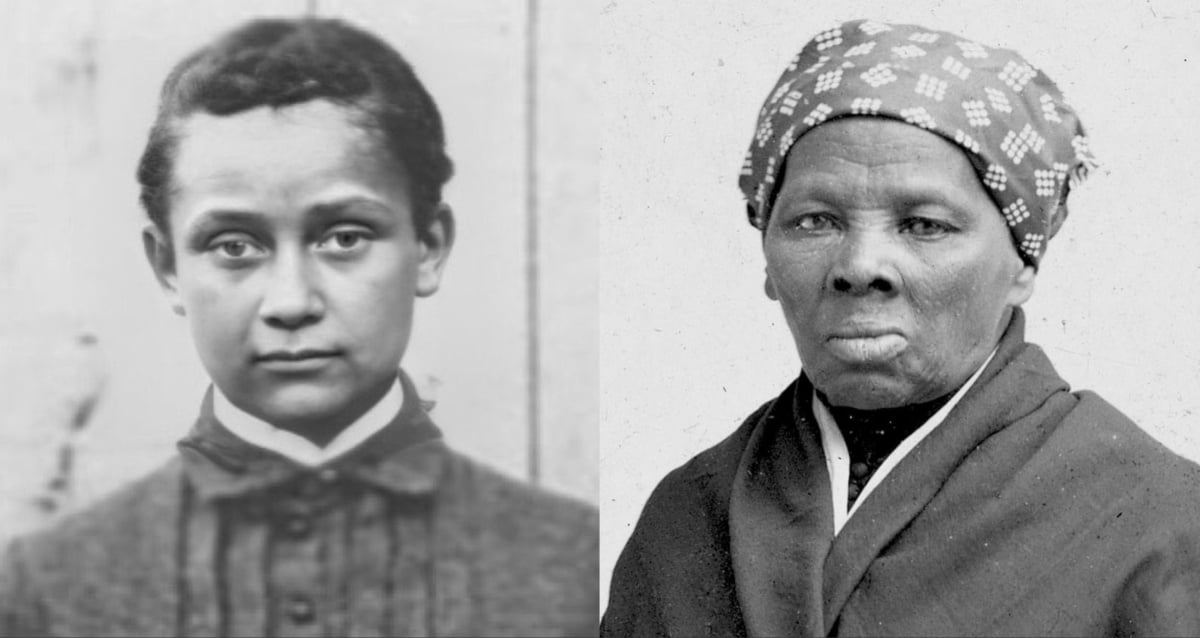
Harriet Tubman’s life was a story of incredible courage and resilience. She escaped slavery to become a conductor on the Underground Railroad, guiding countless individuals towards freedom. But beyond her remarkable activism, Tubman also built a loving family, adopting Gertie Davis when she was 50 years old. Gertie’s story is one that often gets overlooked, overshadowed by Tubman’s own extraordinary life.
Though we know little about Gertie Davis’ early years, it’s likely she spent her childhood on the Auburn farm where Tubman and her husband Nelson made their home. This farm served as a refuge for those who had suffered under slavery or during the Civil War, creating a warm and welcoming environment. Imagine young Gertie playing amidst fields, listening to stories of freedom and bravery from Harriet herself, and learning about the importance of compassion and justice.
While we have limited information about Gertie’s adult life, she married a man named Watson and, like her adoptive mother, likely faced the realities of a changing world. Despite the lack of detailed records, Gertie Davis’ existence serves as a poignant reminder that even amidst historical giants, there are personal stories waiting to be uncovered.
The Life and Legacy of Harriet Tubman
Harriet Tubman’s life was a testament to the power of resilience and unwavering determination. Born Araminta Harriet Ross into slavery in Maryland, she experienced firsthand the brutality and injustice of that system. But even as a young girl, she displayed remarkable courage, refusing to be broken by the hardships she faced. At 29, Tubman made her daring escape to freedom, a journey fraught with peril but ultimately leading her to a new life in Philadelphia.
It was this newfound freedom that fueled Tubman’s passion for helping others. She became a conductor on the Underground Railroad, risking her own safety countless times to guide enslaved people towards liberty. Her bravery and cunning earned her the moniker “Moses” – a fitting tribute to her role as a liberator. But Tubman’s contributions extended beyond the clandestine network of escape routes. During the Civil War, she served as a scout, spy, and even a nurse for the Union Army, demonstrating her unwavering commitment to the cause of freedom.
Harriet Tubman’s legacy is one of extraordinary courage, compassion, and unwavering dedication to justice. She challenged the very foundations of a society built on oppression, paving the way for generations to come. Her story continues to inspire us to fight for equality, stand up for what is right, and never give up hope in the face of adversity. Even today, her name resonates as a symbol of strength, resilience, and the enduring power of the human spirit.
Meeting Nelson Davis and Building a Family
After finding freedom and dedicating herself to helping others escape slavery, Harriet Tubman’s life took a heartwarming turn when she met Nelson Davis. They met at the very farm that would become their shared home – a place of refuge for those seeking solace and safety. It was there, amidst the warmth of community and the quiet strength of shared purpose, that their bond blossomed.
They married in 1869, uniting two souls who had both experienced the profound pain of slavery but also found strength in their commitment to equality and justice. Though they faced challenges together, like the devastating fire that destroyed their farmhouse in 1880, their love for each other and their shared values proved enduring. The community rallied around them, rebuilding their home as a testament to their resilience and the power of collective support.
Their union brought Gertie Davis into their lives in 1874 – a bright spark of joy amidst the struggles they had overcome. The farm became a space filled with laughter and love, a testament to Harriet’s desire for a family and Nelson’s unwavering devotion to her. The image of young Gertie playing amongst her adoptive parents, surrounded by the warmth of their shared history, offers a glimpse into the beauty that grew from their extraordinary journey.
 Why Did George Reeves Kill Himself? Unresolved Mystery of His Death
Gertie’s Early Life on Tubman’s Auburn Farm
Imagine a young Gertie Davis growing up on the sprawling fields of Harriet Tubman’s Auburn farm – a place buzzing with life and imbued with a profound sense of purpose. Surrounded by the warmth of community and the stories of those who had found refuge there, Gertie’s childhood likely unfolded amidst laughter, shared meals, and evenings spent listening to tales of freedom and resilience.
The farm was more than just a home; it was a sanctuary for those escaping the horrors of slavery and the lingering trauma of war. Gertie would have witnessed firsthand the impact Harriet had on the lives around her, seeing her adoptive mother’s unwavering compassion and determination in action. She may have even helped with simple tasks, learning valuable life lessons about community and responsibility from an early age.
Life on the farm wasn’t always easy, as is evident from the devastating fire that destroyed their farmhouse in 1880. But the spirit of resilience that defined Harriet Tubman’s life surely permeated Gertie’s upbringing. The community rallied to rebuild their home, a testament to the strength and support that surrounded them – a powerful reminder of the love and unity that made their family so special.
Challenges and Community Support
Life on Harriet Tubman’s Auburn farm wasn’t without its share of challenges. Though they found solace and support in their community, the family faced a devastating blow when fire consumed their farmhouse in 1880. Imagine the shock and loss they experienced as their home, filled with cherished memories and personal belongings, was reduced to ashes. This event would have been deeply unsettling for young Gertie, who likely witnessed the emotional turmoil and practical difficulties that followed.
But amidst the heartbreak, the spirit of community shone brightly. Neighbors rallied around Harriet, Nelson, and Gertie, offering their help in rebuilding their home. It was a testament to the powerful bonds they had forged within their community – a network of support that proved crucial during times of hardship. This experience likely instilled in Gertie a deep understanding of the importance of community and the strength that comes from shared struggles and triumphs.
The rebuilt farmhouse, standing as a symbol of resilience and collective effort, served as a reminder that even in the face of adversity, hope and compassion could prevail. It became a beacon of warmth and belonging for the family, where laughter and love continued to echo through its halls.
A Lasting Impact: Love, Liberation, and Family
Harriet Tubman’s life was a tapestry woven with threads of love, liberation, and family. She dedicated herself to the cause of freedom, risking her own safety countless times to guide others towards liberty. Yet, amidst the whirlwind of activism, she found solace and purpose in building a loving home with Nelson Davis. Their union brought Gertie Davis into their lives, enriching their world with the joy and laughter of a child growing up surrounded by warmth and compassion.
While details about Gertie’s adult life remain scarce, we can envision her carrying within her the legacy of her adoptive parents – a profound understanding of justice, a fierce commitment to equality, and an unwavering belief in the power of love to overcome adversity. The echoes of Harriet Tubman’s courage and Nelson Davis’ steadfast devotion surely shaped Gertie’s journey, inspiring her to navigate the complexities of life with grace and strength.
Even though history may not have fully illuminated Gertie Davis’ story, her existence serves as a poignant reminder that the greatest legacies often unfold within the intimate spaces of family and community. It was in these loving bonds that Harriet Tubman found solace, inspiration, and the enduring power of human connection.